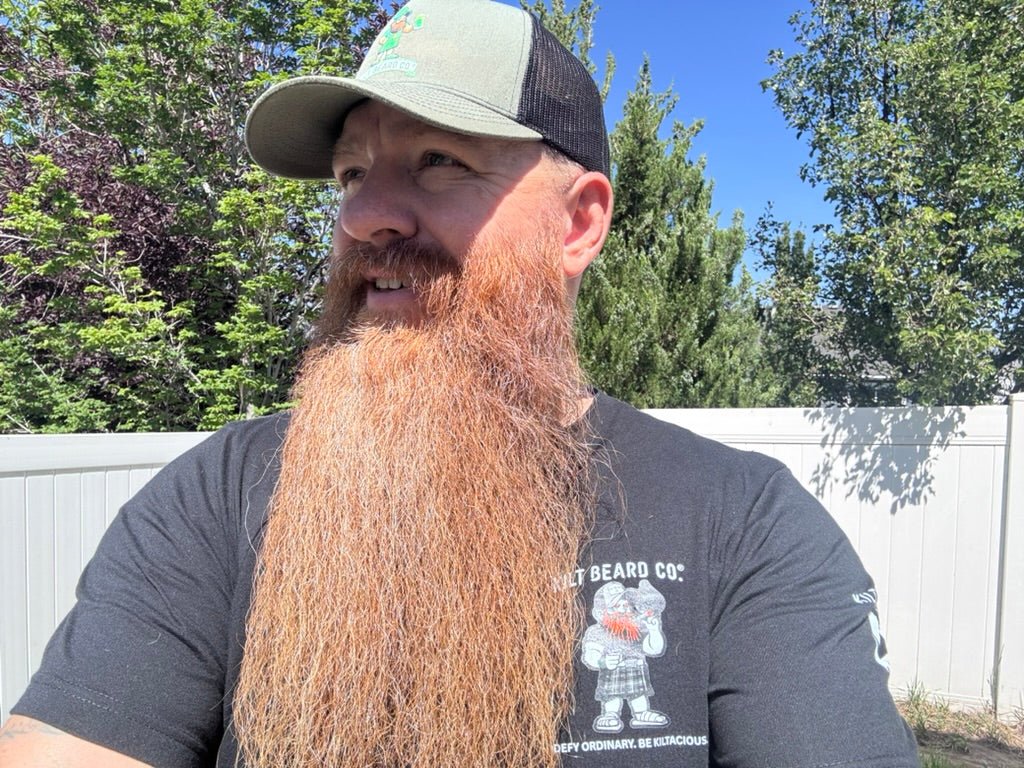

Let’s be honest: no man wants to look down at their shirt and realize he’s shedding like a cheap winter coat. That white powder dusting your collar isn’t a good look, and it’s often enough to make a guy want to grab a razor in a fit of pure frustration. Drop the blades and step away from the mirror. Most of the time, those annoying flakes just mean the skin under your chin is starving for moisture. It’s a completely fixable problem, and getting your face back on track is a lot simpler than you think.
Facial Hair Maintenance Basics
Let's look at what's actually happening on your face when you decide to grow out your whiskers. Taking care of a beard isn't just about letting hair sprout wild; it's a balance between basic skin hygiene and conditioning the actual hair fibers. Unlike a smooth, clean-shaven face, a bearded jawline builds up a highly specific microclimate underneath that dense network of growth. This thick layer of hair acts just like a physical sponge, constantly pulling natural oils away from the surface of your skin to feed the growing hair shafts. Because of this setup, your regular face-washing routine isn't going to cut it anymore. You need a specific plan that delivers real moisture straight to the skin hiding underneath while keeping the outer whiskers soft, manageable, and comfortable. It's a straightforward routine of washing, hydrating, and directing the hair growth so your style looks sharp instead of becoming a scratchy burden.
When a man shows up with a clean, soft, well-shaped beard, it completely shifts how people see him, showing a level of self-respect and competence that stands out. Skipping out on basic care leads directly to severe physical discomfort, turning a solid feature into an ongoing nightmare of scratching and irritation. Spending just a couple of minutes each day on solid care protects the appearance of your growth and shields the skin beneath. To build that kind of routine, a guy needs to get familiar with a handful of specific beard products making sure each item works together to lock down moisture and maintain the strength of the hair strands:
-
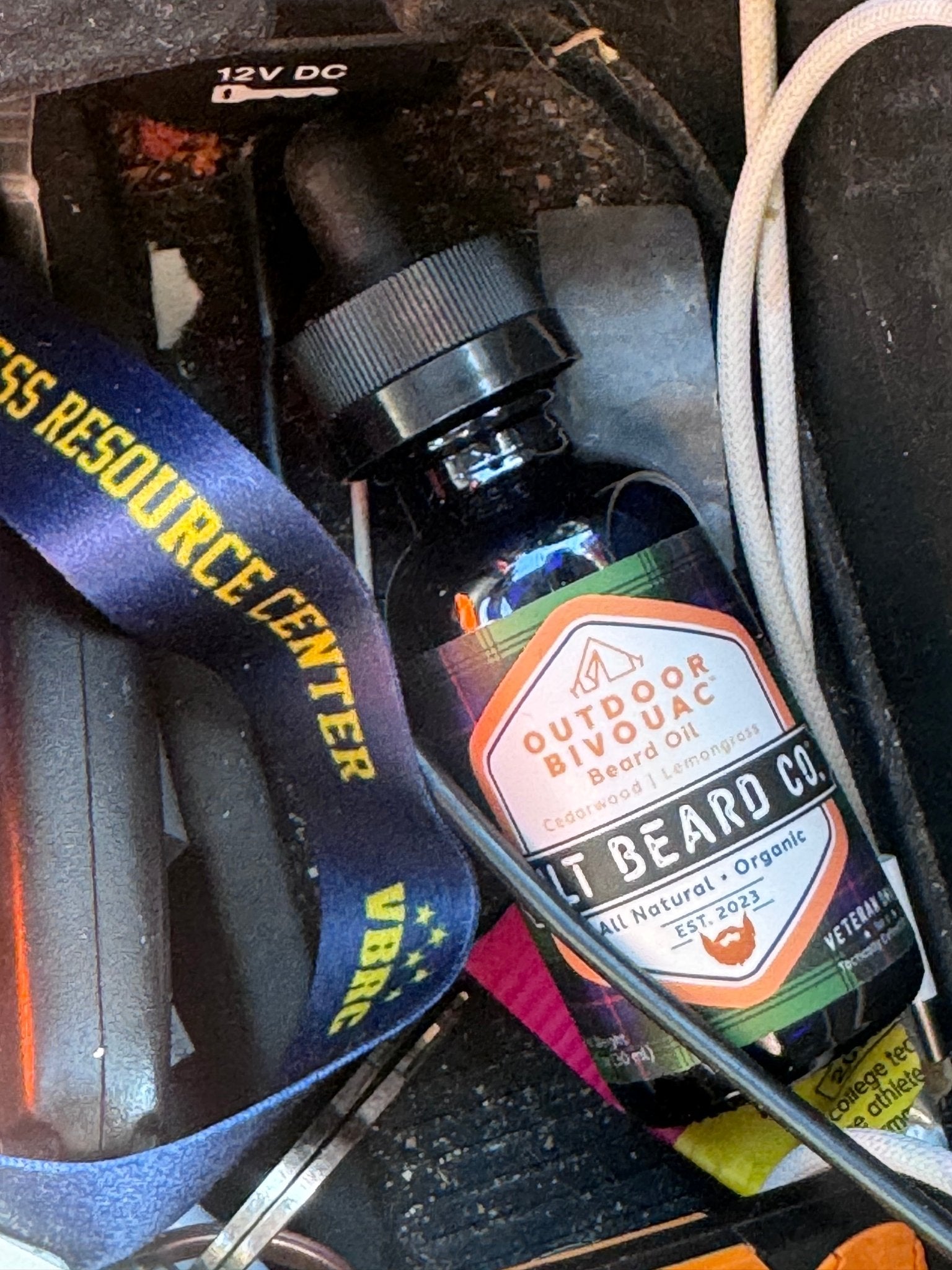
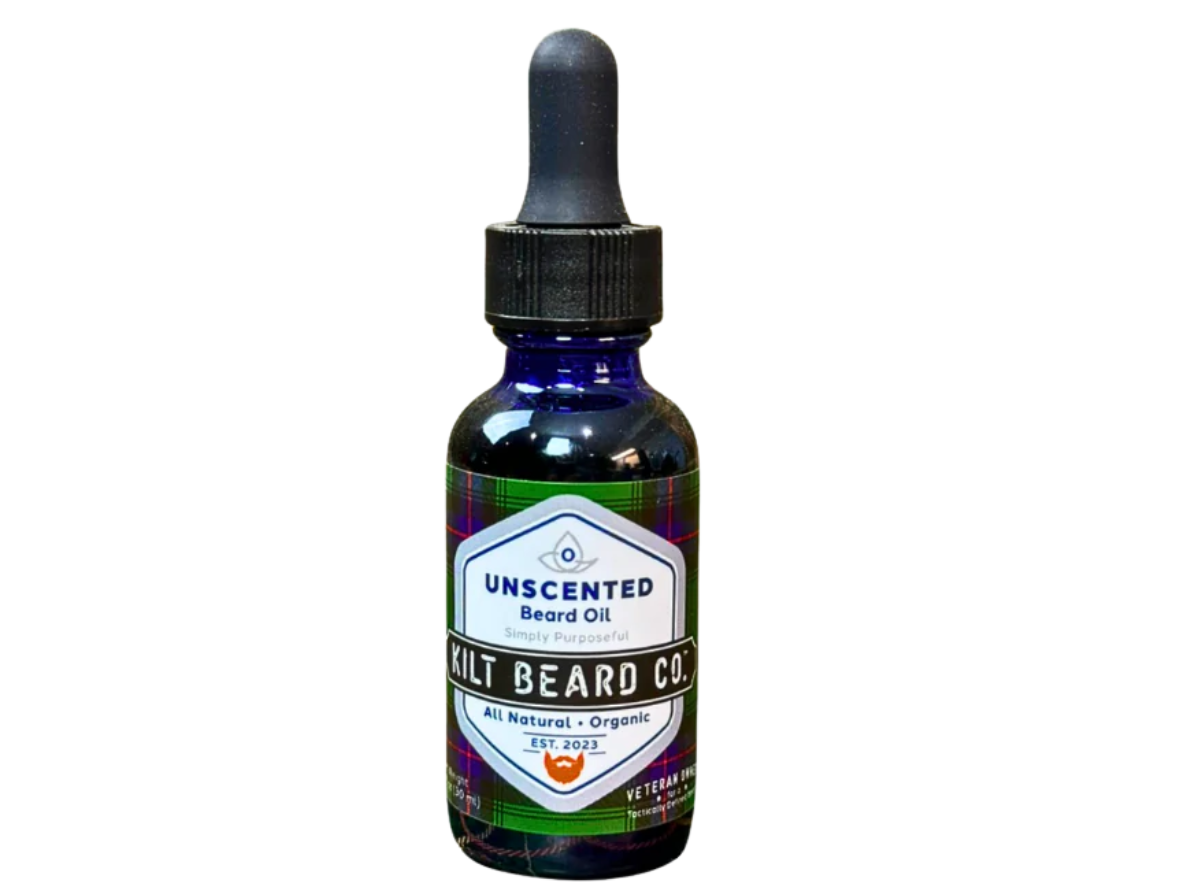
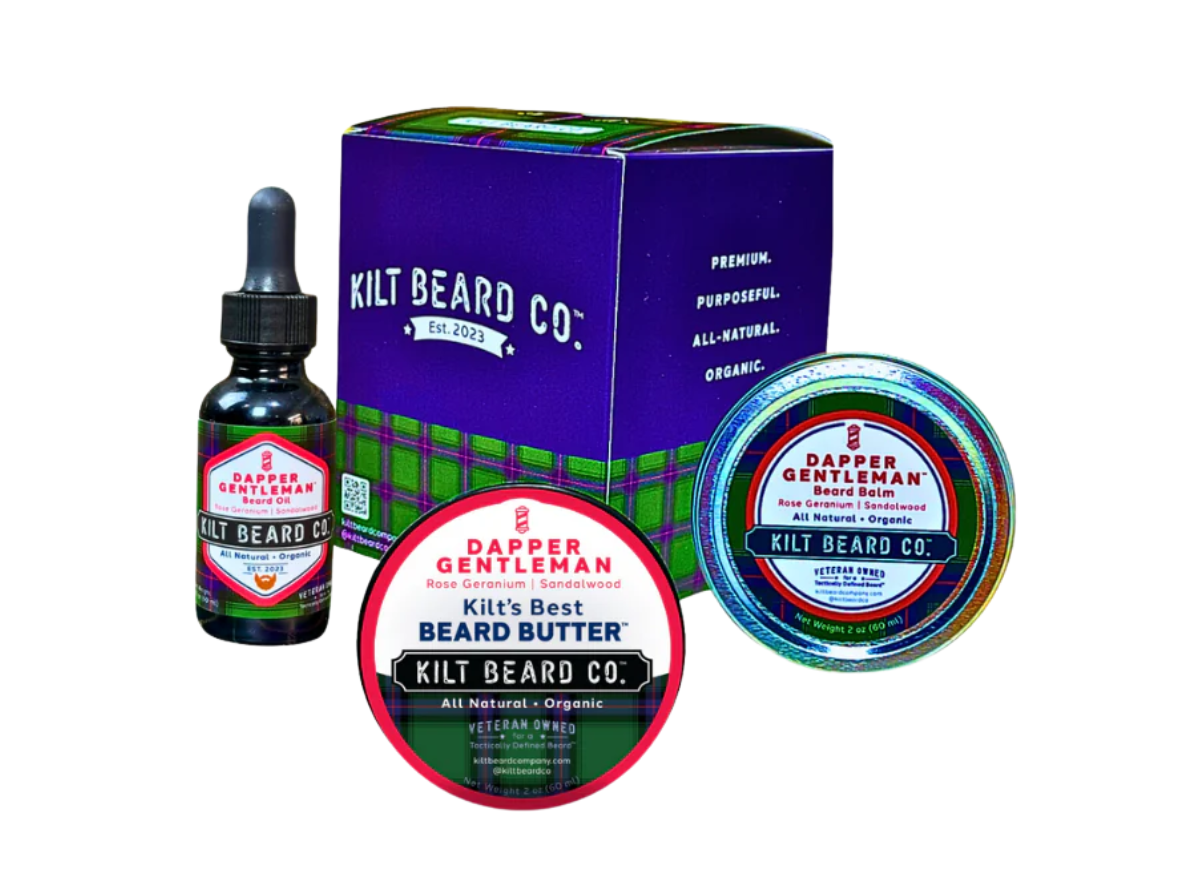
Beard Oil: This concentrated fluid is the absolute baseline of your routine, built to mimic the natural sebum generated by your skin glands. Made from plant extracts like jojoba, sweet almond, and argan, it absorbs quickly without leaving a greasy residue. Its primary goal is to moisturize the skin surface right beneath the dense growth, which directly helps minimize dryness and stop the itch. Applying a few drops daily converts stiff, wire-like bristles into a smooth curtain of hair that feels comfortable all day long. It replaces alcohol-based colognes that parch your skin cells, creating an invisible barrier that blocks evaporation so your face stays calm.
-
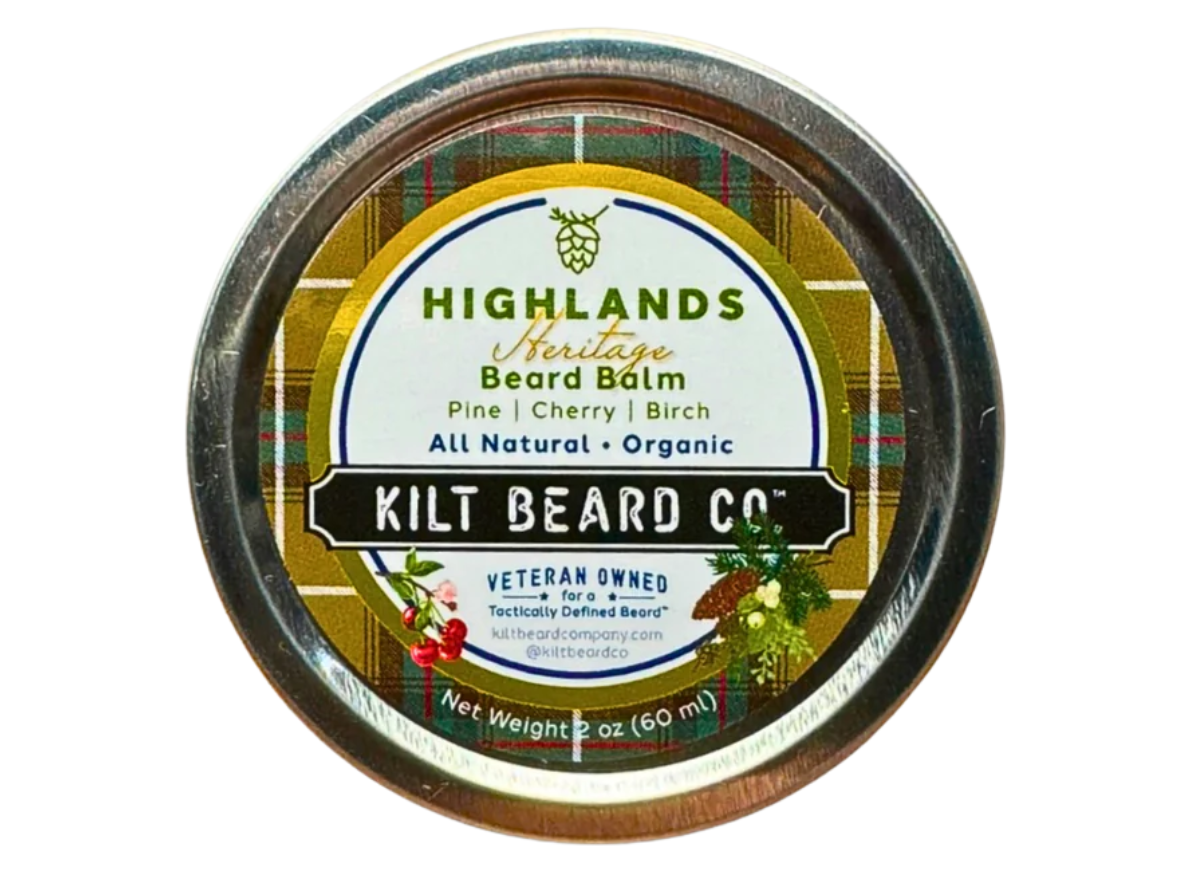
Beard Balm: Combining the moisturizing properties of carrier oils with the structural hold of natural waxes, this is a multi-functional styling agent. It features a base of clean beeswax mixed with rich botanical fats that melt down easily when rubbed between your palms. This formula excels at taming unruly flyaway hairs and sculpting a clean, uniform shape for medium to long styles. Beyond the cosmetic hold, it creates a light barrier over the hair shaft, locking down moisture and defending your face against cold winds or dry indoor air. It stays workable throughout the day, letting you reshape your style without needing a fresh wash or extra product.
-
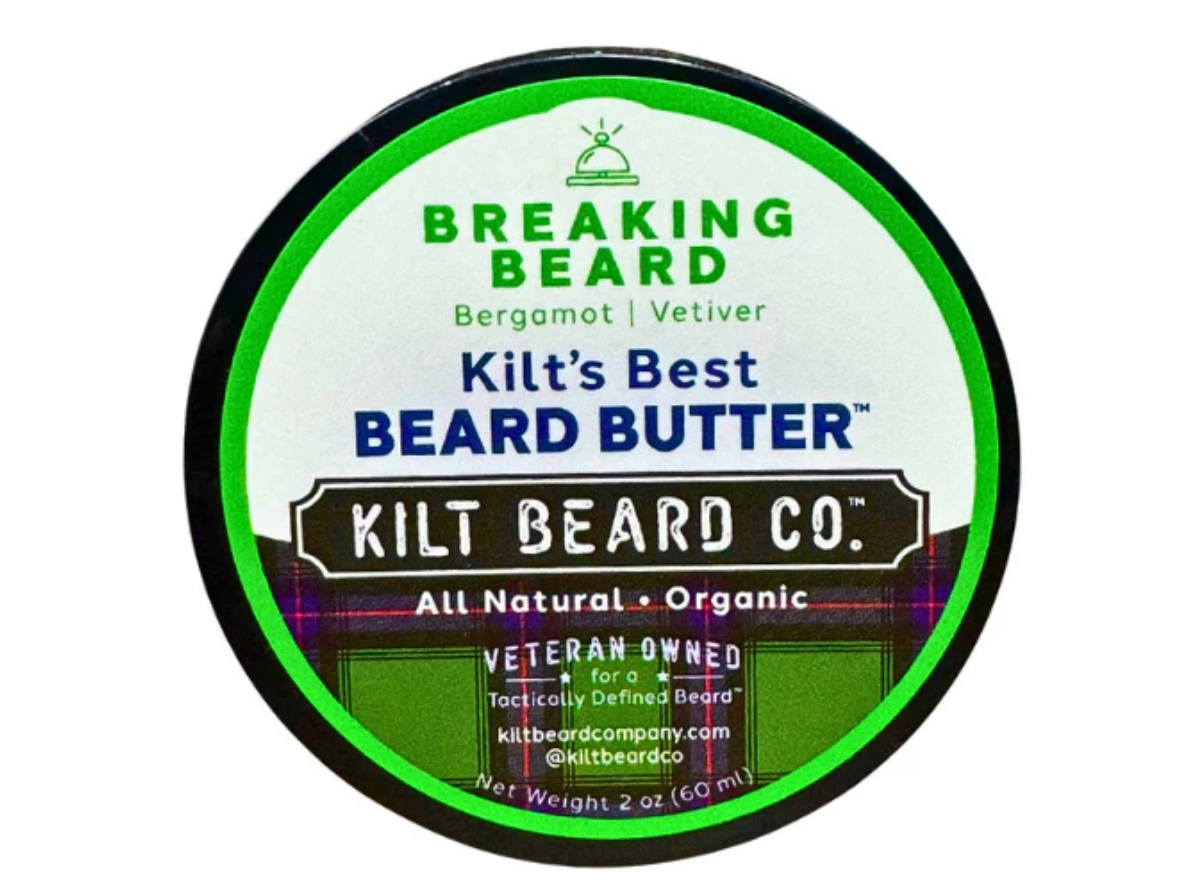
Beard Butter: When your facial hair requires intense hydration without the firm hold of heavy waxes, butter is the ideal selection. This formulation uses a dense concentration of natural fats, such as Shea, mango, or cocoa butter, whipped into a spreadable paste. It absorbs deeply into the core of the hair fibers, rendering them exceptionally soft and pliable for an extended period. Many men prefer applying this rich treatment before sleep or after a thorough wash to facilitate deep conditioning and help reduce breakage for better length retention. Because it contains very little wax, it leaves a natural, matte finish that repairs structural damage along the hair shaft.
-
Beard Spray: This water-based fluid delivers a quick hit of hydration and a burst of clean aroma for men who are constantly active or traveling. Infused with water-soluble vitamins and botanical distillates, it provides a lightweight mist that revives flat or tired hair without adding grease. It is highly useful for a mid-day refresh after spending hours in an air-conditioned office or following a workout. A quick application helps maintain a clean sensation across the skin surface, coating the fibers weightlessly to revive natural spring and bounce instantly.
-
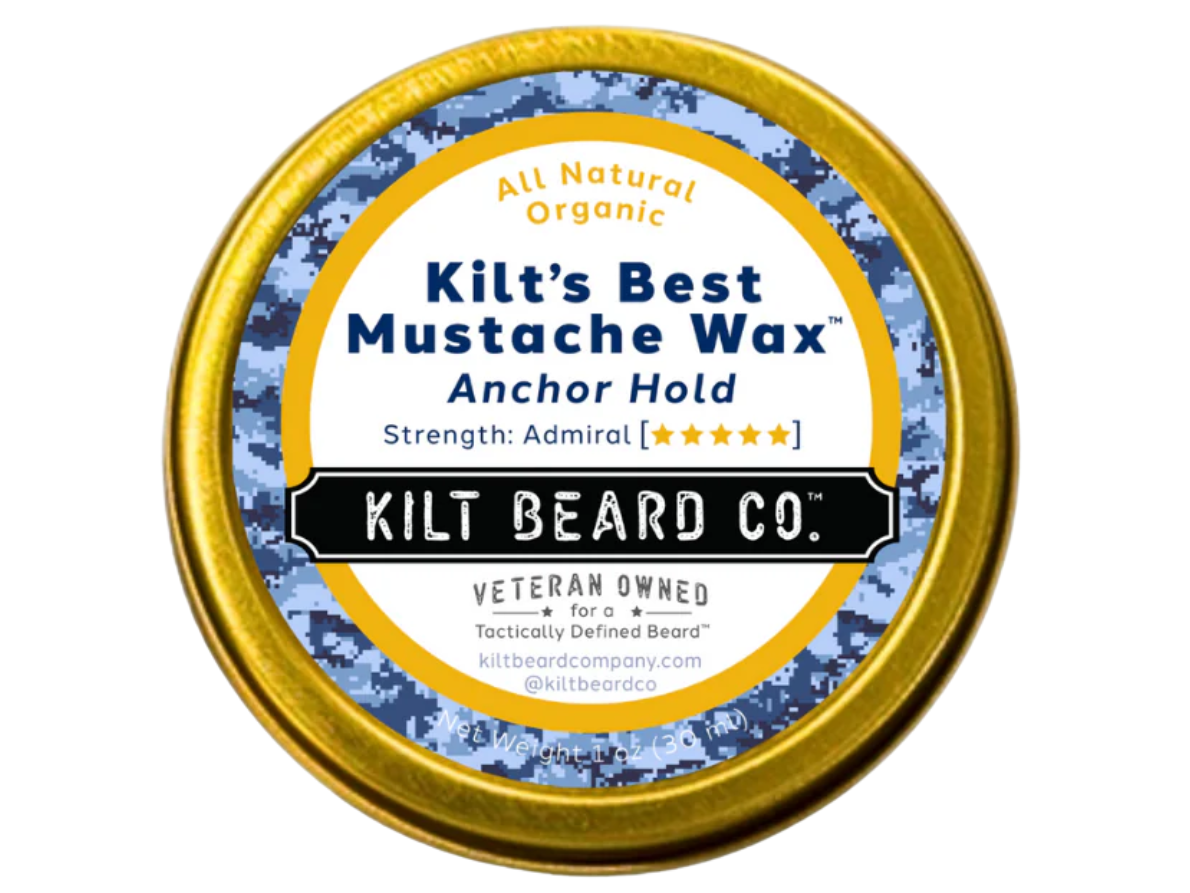
Mustache Wax: Made specifically to handle the unique demands of upper-lip growth, this stiff compound offers an uncompromising level of structural control. It relies on a high ratio of natural waxes and resins to deliver a firm, long-lasting hold that keeps stray hairs directed away from your mouth. A small bead must be warmed thoroughly between the fingertips before being worked through the fibers to lock your style in place. This is an essential implement for verifying that your mustache remains clean and orderly during meals, resisting moisture from hot drinks and perspiration from morning until night.
-
Beard Shampoo & Beard Conditioner: Standard drugstore shampoos are formulated with harsh surfactants meant for the resilient scalp, meaning they will easily strip away the delicate oils on your face. Specialized washes use ultra-mild cleansing agents that remove dirt, sweat, and styling products without dehydrating the underlying skin cells. Pairing the wash with a dedicated facial hair conditioner helps seal the hair cuticles and restore natural suppleness immediately after washing. This combination supports a healthier-looking beard environment by maintaining the delicate equilibrium of hydration your face requires.
-
Beard Soap: For men who favor a traditional, tactile cleansing experience, a solid soap bar made with natural oils is an excellent alternative. These bars are frequently saponified with conditioning elements like goat milk, coconut oil, or oatmeal to deliver a thick, comforting lather that easily rinses away. They strip away environmental pollutants and old product residue while depositing a light layer of moisture directly onto the skin surface. Many bars also feature natural clays that gently draw out toxins from the skin pores without causing mechanical irritation.
-
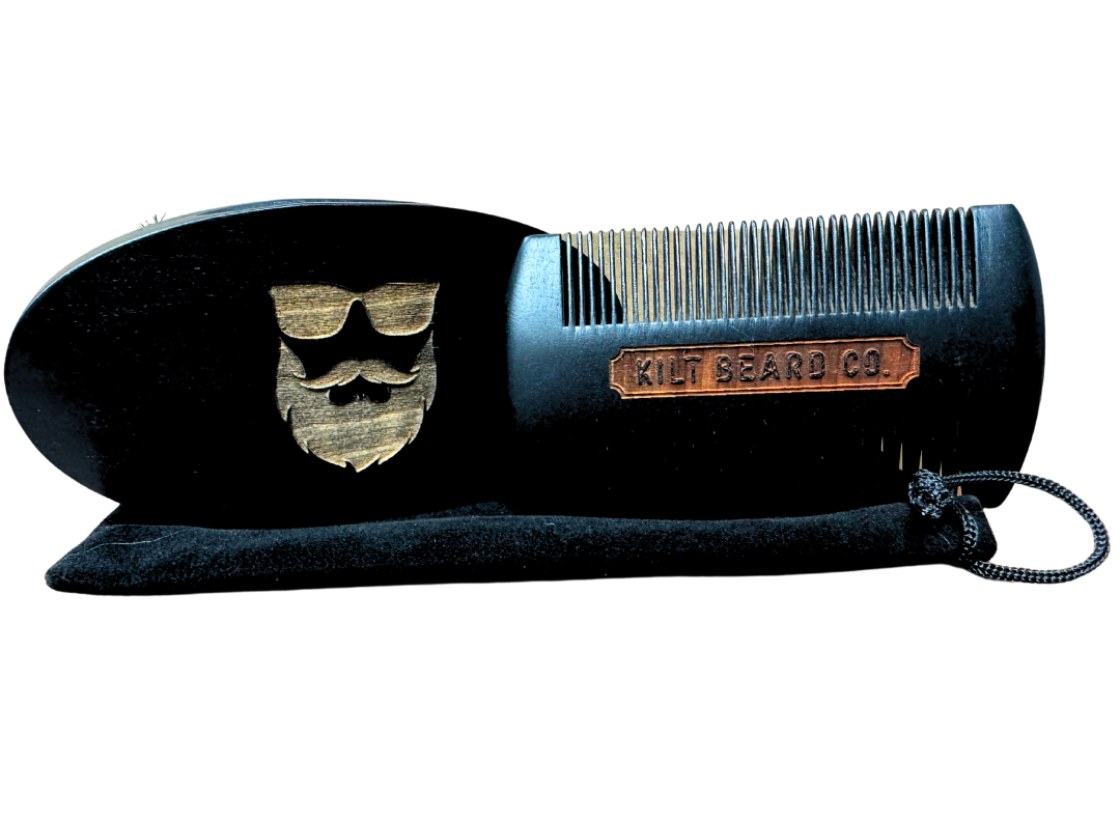
Beard Combs: A high-quality comb is built for untangling knots and guiding your daily style into a respectable shape. The best combs are saw-cut from premium materials like cellulose acetate, wood, or horn, and then polished to eliminate the jagged seams found on cheap molded plastic. This smooth finish guarantees that the teeth glide through the hair effortlessly without causing micro-tears or split ends. Regular combing also aids in the even distribution of topically applied oils and balms from the base of the hair down to the tips.
-
Beard Brushes: Utilizing lots of natural bristles, typically sourced from wild boar hair, a brush is built for the heavy-duty maintenance of your facial landscape. The unique texture of natural bristles allows the brush to capture and spread oils efficiently across the entire hair length while massaging the underlying skin. This physical contact acts as an exfoliant, sweeping away dead skin flakes and loose cells before they can gather into visible clumps. A daily brushing regimen trains the hairs to grow in a downward orientation, clearing away trapped dust and lint while stimulating localized blood flow.
-
Beard Scissors: No matter how uniform your hair growth pattern is, a few stray fibers will inevitably grow faster than the rest and disrupt your clean lines. A dedicated pair of grooming shears features short, razor-sharp blades that slice through coarse facial hair cleanly without crushing the tip. This clean slice is essential because it prevents the development of frayed ends, which can lead to structural damage and uneven textures. Having a pair of shears handy permits precise adjustments to your mustache and cheek borders without the risk of over-trimming.
Unmasking the Flake and Its Main Triggers
Behind the impressive front of a thick beard lies an invisible skin surface that requires a steady supply of moisture to remain comfortable. When you neglect this environment, the skin beneath your hair begins to shed its outer layers at an accelerated and highly visible rate. This annoying dusting of pale skin flakes is known as beardruff, and it represents a complete breakdown in the natural balance of your face. It is the direct consequence of dehydrated skin cells mixing with an accumulation of environmental debris and styling products that haven't been rinsed away correctly. Spotting this issue early is the first step toward correcting the underlying dryness and restoring a clean appearance to your jawline.
Pinpointing the exact reason your skin is flaking is essential for choosing the right corrective changes for your routine. While some men assume it’s just a natural consequence of having thick hair, the reality is tied to specific environmental and lifestyle triggers. These factors disrupt the natural shedding process of your skin, leading to the accumulation of visible particles within your whiskers. Let's break down the ten distinct culprits behind the flake cascade:
-
Extreme Atmospheric Dehydration: Cold winter air and dry indoor heating systems pull moisture directly from the exposed surfaces of your face, leaving the skin beneath your beard brittle and prone to cracking. When the skin loses its natural hydration barrier, the cells die off rapidly and separate into small, powdery flakes that get caught in your hair. This environmental stress can turn a healthy face into a dry landscape in a matter of days if the proper protective layers are not applied.
-
Infrequent or Improper Cleansing: Allowing sweat, dead cells, and styling products to sit at the base of your hair for days creates a heavy layer of buildup that suffocates the skin. This accumulation traps moisture incorrectly, causing the skin to flake as it attempts to shed its old layers through the heavy crust of unwashed product. It creates a stagnant environment where natural skin shedding becomes a messy, visible problem rather than an invisible cycle.
-
Over-Proliferation of Natural Yeast: Your face is home to a microscopic microbe called Malassezia, which feeds on the natural sebum produced by your skin glands. When these microbes consume the oil, they break it down into oleic acid, an acid that can irritate the skin surface of sensitive individuals and cause cells to renew at an unnaturally rapid pace. This accelerated cellular turnover results in a massive pileup of dead skin cells that break loose as white flakes.
-
The Use of Aggressive Scalp Shampoos: Washing your face with the same harsh detergents designed for the oily scalp is a guaranteed way to strip away every trace of the protective lipid barrier on your chin. This chemical shock leaves the facial skin completely defenseless, resulting in immediate tightness, irritation, and a heavy cascade of white flakes. The skin responds to this aggressive stripping by cracking and peeling as it tries to repair itself.
-
Chronic Systemic Dehydration: If you’re not consuming enough water throughout the day, your body will prioritize your internal organs, leaving your facial skin at the bottom of the hydration chain. This lack of internal moisture manifests as chronically dry skin that cannot support a healthy look, leading to persistent flaking. No amount of topical product can completely compensate for a body that is starved of basic water intake.
-
Too Much Touching Your Beard: Touching your beard too much can absolutely cause or worsen beard dandruff. While you're petting your facial hair, your hands transfer dirt, germs, and oils to your skin, in turn, stripping away the natural sebum needed to keep the area hydrated. This imbalance creates a tough scenario for dry, flaky skin.
-
Blistering Your Face Under Scalding Hot Water: Standing under a boiling hot shower stream feels incredible on a freezing morning, but it melts away the delicate natural lipids and protective oils that keep your jawline pliable. High-temperature water acts just like a solvent, stripping your skin far faster than any mild cleanser ever could. When you towel off, the moisture in your skin evaporates almost instantly into the air because there’s no oil barrier left to hold it down, leaving your face tight and brittle. Within an hour, those parched skin cells separate, crack, and lift away, turning into a fresh layer of fine white dust the moment your whiskers dry.
-
Microscopic Mineral Film from Hard Water Tap Supplies: Lots of homes rely on hard water supplies loaded with dissolved minerals like calcium and magnesium. When you wash your face, these minerals react poorly with your cleansing soaps, leaving an invisible, microscopic film over your skin surface. This mineral buildup degrades your skin's natural oils and prevents your specialized leave-in products from absorbing correctly. Instead of sinking deep into the skin cells to provide relief, your oils just sit on top of this mineral crust while the underlying skin remains completely parched, leading to deep surface irritation and stubborn dryness.
-
Constant Abrasion from Heavy Winter Apparel and Collars: Physical friction from your wardrobe can easily trigger a massive breakout of flakes along the outer borders of your growth. During the winter months, pulling on tight synthetic beanies, wrapping thick wool scarves around your neck, or zipping up heavy jackets with stiff, high collars causes continuous rubbing. As you move throughout the day, these rough fabrics constantly chafe against your facial hair and the skin beneath it. This mechanical friction acts as an aggressive abrasive, scraping away whatever protective grooming products you applied and grinding down the delicate skin surface until it responds by shedding its outer layers.
-
Low-Grade Beard Products Loaded with Drying Alcohols: Choosing a beard product based solely on a cheap price tag or a flashy label can backfire on your skin comfort. Many low-grade formulations use cheap synthetic ingredients and harsh drying alcohols like isopropyl alcohol or denatured alcohol to make the fluid dry down quickly on your hands. While it might make the application feel lightweight, these aggressive chemicals evaporate rapidly into the air, siphoning away your skin's natural moisture right along with them. Instead of conditioning the hair strands and feeding the skin beneath, these cheap formulas leave a chemically shocked landscape behind that becomes brittle almost instantly.
Reading the Signs Under Your Beard
Let's break down the exact ways your face alerts you that a flake storm is building up. A lot of guys wait until their shirt looks like a winter landscape before they realize something is wrong, but your skin drops clear hints well in advance. If you catch these markers early, you can turn things around before anyone else notices.
Pay close attention to these specific signals from your skin:
-
An ongoing, localized tickle or itch: This annoying sensation happens deep within the thickest parts of your growth, serving as a warning that the skin is drying out and irritating the nerve endings.
-
Visible white dust on dark clothing: When you touch your facial hair or run a comb through it, small, pale particles fall easily onto your collar, chest, or shoulders.
-
A feeling of skin tightness after washing: If your jawline feels incredibly stiff or taut immediately after a shower, your cleansing routine has left your face parched.
-
A dull and flat appearance to the hair: Dehydrated skin leaves your whiskers looking dry, weathered, and completely stripped of their natural shine.
-
Mild redness across the skin surface: Parting your whiskers reveals a pink or red hue, showing that the surface cells are irritated by the ongoing dryness and dead cell accumulation.
Sometimes, though, the problem running rampant under your facial hair isn't just basic dryness. It is critical to recognize when your skin is dealing with a deeper issue that standard moisture routines cannot resolve. Forcing normal grooming products onto a complex skin condition will not clear up the issue, and it can frequently make the irritation much worse.
Watch out for these specific visual warnings that mean it is time to seek professional advice:
-
Thick, oily, yellowish crusts: Unlike fine white powder, these heavy, greasy scales stick stubbornly to the skin and the base of your hair shafts, showing a waxy texture that mild soaps cannot wash away.
-
Silvery, well-defined plaques: If your flaking looks like raised, silver patches with sharp boundaries that bleed a little when scratched, your skin cells are turning over at an advanced pace.
-
Intense localized skin peeling: When your skin comes away in large, sheet-like sections rather than small flakes, it creates a raw, burning sensation that makes standard aromatic formulas highly uncomfortable.
-
Sudden and patchy hair shedding: Normal skin flakes do not impact your hair roots, so if you notice large clumps of whiskers falling out and leaving smooth, circular bald spots, it points toward a completely different condition.
The Active Recovery Plan and Long-Term Defense
Banishing those persistent flakes requires a complete overhaul of how you manage your face every day. You cannot just wash your face more often and hope for the best; you need a smart strategy that clears away old debris, restores suppleness, and shields your skin from future harm. Let's look at how to put these items to work in a clean, natural sequence that gets results fast.
Clearing the Path with Specialized Cleansers and Waxes
Your recovery starts by tossing out any harsh body washes or standard scalp cleansers. Apply a dedicated facial hair wash about twice a week to damp whiskers, using your fingertips to work the lather all the way down to the skin surface. This removes accumulated sweat, stale sebum, and old styling residue without wiping out the natural protective lipids that maintain a comfortable jawline. On alternate days, utilize a solid, oil-rich facial hair soap bar crafted with soothing ingredients like goat milk or oatmeal. Cleanse thoroughly and rinse with cool water to make sure no soapy residue stays behind to trigger fresh flaking.
Before you even step into the shower or apply any leave-in oils, take a natural boar-bristle brush and move it in gentle, circular motions across your jawline. This mechanical action acts as a manual exfoliant, lifting away loose skin cells before they can clump into visible patches, while clearing the way for your moisturizers to reach the skin surface directly. For your mustache region, apply a tiny bit of stiff mustache wax to direct the hair away from your mouth, which prevents food and beverages from depositing bacteria that can irritate the skin and cause localized flaking.
Hydrating the Base Layer and Repairing Strands
Immediately after you towel-dry your face, massage a few drops of lightweight, plant-based oil deep into the roots of your growth. Blends made with jojoba, argan, or sweet almond mimic your natural sebum, soaking into the skin cells to cut down on dryness and irritation right at the source. Right after your weekly wash, work a generous amount of rinse-out conditioner through the damp hair and let it sit for three to five minutes. This step restores immediate elasticity to the skin cells and smooths down rough hair cuticles so they don't rub abrasively against your face.
If your whiskers still feel rough or scratchy by evening, apply a dime-sized amount of whipped botanical butter before bed. This dense fat sinks into the hair matrix overnight, providing a prolonged release of moisture that repairs structural damage and minimizes breakage for better length retention. To lock in your morning moisture and shape your style, use a wax-based balm to build an invisible shield against dry indoor air and freezing winter winds. For quick adjustments throughout the day, a water-based hydration spray helps mist your hair, which instantly revives flat fibers and refreshes dry skin without adding grease.
Refining Your Lines and Securing Long-Term Clarity
To complete your daily routine, guide a polished, saw-cut comb made of wood or cellulose acetate through your whiskers after applying your oils. The smooth teeth separate the hair strands without causing the micro-tears associated with cheap molded plastic, making sure your moisturizing products are distributed perfectly from root to tip. Periodically check your growth for split ends and rough textures, using razor-sharp grooming shears to snip away damaged tips cleanly. Slicing the tips cleanly prevents frayed ends from traveling down the hair shaft, reducing knots and making it much easier to clean the base of your beard effectively.
Once your face is clear, you have to establish habits that block the dryness from crawling back. Consistency is the real secret here. You must apply your oil every single morning without fail, even on days when you stay inside, to maintain a resilient skin barrier. Make time to sanitize your combs and brushes every week in warm water with a bit of wash; otherwise, you are just sweeping old grime, dead skin, and bacteria back onto your clean jawline. Swap your product weights to match the seasons, scaling up to heavier butters when the winter air gets thin and parched.
Look at the external factors in your house as well. If your home has hard water, install a simple water filter on your shower head to strip out the calcium and magnesium that degrade your natural lipids and ruin product lather. Wash your pillowcases at least once a week to clear away the buildup of grease and shed cells that can clog your pores while you sleep. Most importantly, practice a strict hands-off approach throughout the day, leaving your whiskers alone so your fingers don't scrape away your natural protection.
Putting Down the Razor For Good
When the scratchy feeling peaks and the flakes start falling, grabbing a razor can feel like the fastest escape route. But making a drastic move in a moment of frustration is an emotional reaction that almost always leads to immediate regret. Shaving off your hard-earned growth doesn't actually fix the dry skin barrier or clear up the biological causes under your chin; it simply exposes the problem to the open air.
Getting rid of your beard totally erases months of growth progress, discipline, and care over an issue that can typically be resolved in a single week of proper management. Once the hair is gone, your pale, unconditioned skin faces sudden exposure to the elements, leaving it highly vulnerable to sunburn, windburn, and intense sensitivity. You simply trade your skin flakes for a bare face that is now prone to razor burn, redness, and painful ingrown hairs. A beard provides a protective umbrella that helps your skin barrier recover safely, and retaining your whiskers preserves the masculine jawline and visual identity you have worked hard to build.
Winning the Battle For a Clear Face
Caring for the skin beneath your growth with steady discipline turns your morning routine into an authentic expression of self-respect. Your beard represents a clear visual marker of your patience, and utilizing targeted formulations preserves that asset so it stays soft, clean, and undeniable. True rugged presentation is about applying the consistent care needed to maintain a comfortable, flawless appearance every single day. Stepping out with a clear, flake-free jawline confirms you have the standards required to look and feel your absolute best.
Disclaimer: The information in this article is intended strictly for general educational and grooming purposes. This content does not constitute medical advice, diagnosis, or treatment. If your facial flaking is accompanied by severe inflammation or broken skin, or fails to improve after changes to your hygiene routine, please consult a qualified healthcare professional or dermatologist.