
Walking out the door with a thick patch of facial hair and a favorite piece of headwear should feel natural, but getting the balance wrong quickly turns a solid look into a cluttered mess. Your headwear shapes the top half of your face, while your facial hair defines the bottom, making them two parts of the same visual frame. Throwing on a flat brim or a heavy wool lid without considering your specific jawline texture can easily throw off your entire look. It takes zero complex style formulas to get this right, just a clear eye for how distinct shapes and fabrics work together on a regular guy. Let's look at how to pair your daily gear so your headwear and your facial hair pull in the same direction every single day.
The Core Distinction: Caps vs. Hats
Before looking into how to match your look, we need to clear up a massive point of confusion. People toss around the terms "cap" and "hat" like they mean the exact same thing, but they are completely separate headwear. Knowing the structural difference between them changes how you judge your reflection in the mirror before heading out.
A cap is defined by its tight, form-fitting crown that hugs the skull closely, paired with a front-facing brim or visor designed to shade the eyes. There is no rim running around the sides or back. Because a cap sits low and concentrates its visual weight right at the forehead, it naturally pulls an observer's eyes forward and straight down toward your nose, mustache, and chin. This means a cap acts like an arrow pointing directly at your facial hair, highlights your cheek lines, and makes your beard the immediate star of the show.
A hat, on the other hand, features a full, continuous brim that circles the entire base of the crown. Whether it’s a wide Western brim or a short, snapped-up brim on a classic summer piece, that complete shelf of material completely changes your facial proportions. A hat casts a shadow over the upper portion of your face and visually widens the top half of your head. For a bearded man, this full perimeter creates a frame that encloses the face, balancing out a massive, heavy beard by matching its physical volume at the top.
When understanding this structural split, you can see why throwing on a cap requires a distinct approach than donning a hat. Caps compress the head profile and demand a beard that looks intentional and clean, while hats expand the head profile and need enough facial hair mass to prevent the brim from swallowing your face whole. It is all about managing the physical weight on your head, so it complements, rather than fights, the hair growing on your jaw.
The Style Vibe & Match Matrix
|
Headwear Style |
Best Face Shape Match |
Ideal Beard Length |
Season & Occasion |
Style Vibe & Color Guide |
|---|---|---|---|---|
|
Fitted Baseball Caps |
Round or wide profiles look balanced by the rigid crown. |
Works best with clean stubble or short, tidy jawlines. |
Spring and summer weekends, casual outdoor events. |
Sporty and clean. Pair dark navy, charcoal, or forest green with crisp white shirts or classic denim jackets. |
|
Snapback & Velcro Caps |
Square or angular jawlines match the bold, structured crown. |
Accommodates mid-length to thick, full jawlines beautifully. |
Casual year-round wear, streetwear looks, or gym days. |
Relaxed and bold. Match solid black or neutral grey caps with dark hoodies and leather wrist accessories. |
|
Trucker Caps |
Long or rectangular faces gain needed width from the flared mesh. |
Complements thick, rugged, mid-to-long facial hair. |
Hot summer days, outdoor manual labor, or road trips. |
Hardworking and rugged. Match olive green or tan mesh back styles with durable flannel shirts and work boots. |
|
Flat Caps (Ivy & Newsboy) |
Oval or diamond faces shine under the tapered, low profile crown. |
Pairs perfectly with light stubble or short, sculpted chins. |
Crisp fall outings, casual office environments, or evening drinks. |
Classic heritage style. Choose rich tweed, herringbone, or brown wool paired with leather jackets. |
|
Curved Brim Caps |
Round or oval faces benefit from the natural softening curve. |
Adapts smoothly to everything from light stubble to heavy length. |
Daily errands, morning coffee runs, spring and summer utility. |
Timeless and effortless. Select faded cotton, washed canvas, or khaki tones to match simple sneakers. |
|
Cowboy Hats |
Square or angular profiles support the massive scale of the brim. |
Requires a substantial, long beard to handle the heavy crown size. |
Outdoor ranches, festivals, or country gatherings in autumn. |
Deeply traditional and bold. Pair classic tan or black leather with heavy denim and dark outerwear. |
|
Fedoras & Panama Hats |
Diamond or oval shapes blend smoothly with the balanced brim. |
Demands a highly manicured, short-to-mid beard with sharp borders. |
Panama for summer beach resorts; felt fedoras for formal autumn nights. |
Sharp and intentional. Match cream, sand, or deep charcoal with structured blazers and linen shirts. |
|
Beanies |
Long or square faces get a softer top profile from the flexible fabric. |
Works smoothly with everything from heavy stubble to massive length. |
Freezing winter weather, mountain settings, or relaxed indoor lounging. |
Cozy and utilitarian. Choose mustard, burgundy, or heather grey knitwear to balance thick winter coats. |
Breaking Down the Headwear Lineup Even Further
Alright fellas, finding the right balance between what sits on your head and what grows on your face comes down to examining the specific shape of your gear. Each distinct style of headwear alters your facial proportions in a unique way, drawing attention to specific areas of your jawline and cheeks. If you match the physical weight of your headwear to the actual density of your facial hair, you create a clean, unified presentation that feels entirely natural. To get your look completely dialed in, you need a straightforward breakdown of how each classic piece handles a bearded frame:
-
Fitted Baseball Caps: The structured, unbroken back of a fitted cap offers a clean, uniform profile that provides an excellent frame for a tidy presentation. Because there are no adjustable straps or plastic gaps in the rear, the crown maintains a smooth silhouette that highlights the natural shape of your head. For guys with round faces, the rigid front panels of a fitted cap add helpful vertical structure, drawing the eye upward and lengthening your overall appearance. This style pairs best with a short, sharp beard or heavy stubble to match the clean lines of the headwear. An overly bushy, untamed beard can look a bit mismatched against the crisp, unbothered tailoring of a true fitted crown. Stick to deep, solid colors like dark navy or charcoal to lock in a classic look that works for any casual weekend.
-
Snapback and Velcro Caps: Adjustable caps bring an immediate casual vibe that feels deeply rooted in relaxed, daily lifestyle wear. The prominent opening and adjustable mechanism at the rear add visual interest to the back of the head, which means your facial hair needs enough presence to balance things out. Square or angular faces handle the high, blocky crown of a classic snapback incredibly well because the sharp headwear angles accent a prominent jawline. This specific style handles mid-length to full beards with ease since the physical mass of the front panels holds its own against a thick chin profile. If you like to wear your cap backward, the adjustable opening forms a clear frame right above your neck, making a neat trim highly important. Match your cap tone to your primary wardrobe items, like pairing a matte black snapback with a dark hoodie or a plain grey tee.
-
Trucker Caps: With their distinct mesh back panels and foam or heavy canvas front sections, trucker caps are built for excellent ventilation and outdoor utility. The classic high-profile front panel stands up tall, which adds significant visual height to your head while the angled mesh panels flare out slightly at the sides. This specific shape makes trucker caps an exceptional option for men with long or rectangular faces because the wide mesh backing breaks up highly vertical facial lines. From a styling standpoint, the trucker cap pairs naturally with a rugged, substantial beard. A thick mid-length or fully grown beard matches the blue-collar, outdoor heritage of the mesh backing perfectly. Look for traditional earth tones like olive drab, tan, or deep brown, and wear them with durable wardrobe items like waxed canvas jackets or flannel shirts.
-
Flat Caps (Ivy Cap (Classic/Driving Cap), Newsboy Cap (Eight-Quarter / Gatsby), and Duckbill Cap): This category brings a rich sense of tradition and heritage craftsmanship that instantly elevates a casual outfit without making it feel overly formal. The classic Ivy cap features a low profile crown that slopes forward and fastens directly to a small, stiff brim, creating a sleek profile that hugs the skull beautifully. The Newsboy cap offers a fuller, rounder shape divided into eight stitched panels with a top button, adding soft volume that softens a sharp, angular jaw. For a tighter, more modern look, the tapered panels of a Duckbill cap follow the contour of the head down to a sloped bill, offering an aerodynamic style that frames narrow faces well. Your facial hair needs to match this tailored presentation by staying neatly trimmed, making heavy stubble or a classic corporate beard the ideal choice. Stick to traditional fabrics like wool herringbone or linen in shades of grey, brown, or tan to maintain a balanced look.
-
Curved Brim Caps: Often called the classic dad hat, the curved brim cap is the ultimate standard for relaxed, effortless style. These caps are usually made from unstructured cotton canvas or washed twill, allowing the crown to collapse slightly and take on the exact shape of your skull. This natural softening effect is excellent for round or oval face shapes because the pre-curved visor breaks up broad facial lines and adds a comfortable frame. The beauty of the curved brim cap is its sheer flexibility when it comes to facial hair length. It looks just as natural with a three-day patch of rough stubble as it does with a massive, full-length beard, provided the hair is clean. Choose muted, faded colors like olive, khaki, or washed navy to maintain that easygoing, low-maintenance presentation.
-
Cowboy Hats: Stepping into the world of full-brimmed hats requires a healthy dose of confidence, and the cowboy hat is the heavy hitter of the category. Featuring a high, creased crown and a wide brim that rolls up slightly at the sides, this hat dominates the visual profile of anyone wearing it. Square, strong jawlines provide the ideal physical foundation for a Western hat because the wide brim demands an equally strong face shape beneath it. For a bearded man, a cowboy hat requires a serious commitment to facial hair volume to prevent the hat from swallowing your face. A mid-length to fully long beard provides the necessary physical weight at the bottom of your face to match the high crown above. Make sure your color selections stick to traditional felt or straw tones like sand, chocolate brown, or solid black.
-
Fedoras and Panama Hats: Fedoras and Panama hats represent the peak of structured, full-brimmed style, offering a sharp profile that focuses heavily on classic tailoring. A fedora is typically crafted from soft felt or wool for cooler months, while a Panama hat is woven from lightweight straw to handle summer heat. Both styles feature a pinched crown and a medium-sized brim that runs completely around the head, making them ideal for framing diamond or oval face profiles. When it comes to your facial hair, these structured hats demand a real commitment to clean lines and neat borders. Because these hats look highly deliberate, your beard must follow suit with crisp cheek lines and a perfectly trimmed mustache. Opt for classic hat tones like charcoal, sand, or cream, and pair them with structured sports coats or clean linen button-downs.
-
Beanies: The beanie stands out as the ultimate cold-weather staple, offering an unstructured, flexible knit fabric that conforms entirely to the shape of your head. Because a beanie lacks any form of rigid brim or visor, it strips away all artificial structure from the top half of your face. Long, rectangular, or square face shapes benefit massively from a beanie because the soft knit material rounds out sharp head corners beautifully. Because a beanie compresses the top of your head and leaves the face open, your beard becomes the absolute focal point of your appearance. A long, thick beard paired with a knit watch cap creates an incredibly classic, cozy winter look that handles freezing weather with ease. Choose rich, solid knit colors like heather grey, deep burgundy, or classic mustard yellow to add a clean finish to heavy winter coats.
Tying Your Lid and Beard Into a Complete Look
Putting together a solid daily look requires you to view your headwear and your facial hair as one single unit instead of two separate pieces. When you throw a cap or hat into the mix, you change how people see the colors and shapes of your face. Getting this right means paying attention to how the weather, your wardrobe, and your own hair tones interact throughout the day. You don’t need to follow a complex fashion guide to find a balance that fits your regular routine. It simply comes down to making smart choices that match your daily gear to your specific beard type under real-world conditions.
Your Beard Color
The natural shade of your mane has a massive part in deciding which headwear colors will make you look best. For guys with silver, grey, or salt-and-pepper facial hair, you want to lean into rich, deep tones that offer a strong contrast. Dark navy, charcoal, and forest green lids can look incredible because they make those grey tones pop without making your face look washed out. If you have bright red or ginger hair on your jaw, your best bet is to look toward classic earth tones. Canvas caps in olive drab, tan, or warm khaki fit beautifully alongside red whiskers and create a highly natural look. Avoid neon or overly bright colors if your hair is naturally fiery, as those loud shades can clash and look overly busy.
Men with dark brown or solid black beards have a lot of flexibility when selecting their daily headwear colors. You can easily sport bright white, bold crimson, or classic grey without losing your face in the process. However, a stark black cap paired with a jet-black beard can sometimes look a bit heavy or intimidating if you do not break it up. Throwing a lighter neutral tone into your rotation can lighten up your upper face and show off your jawline shape. If your facial hair is on the lighter blonde side, avoid pale pastels or washed-out yellows that match your hair color exactly. Instead, pick darker, solid neutrals to give your light whiskers a clear, defined frame that stands out cleanly.
The Season
The weather outside dictates what kind of materials you should wear to protect your head and stay comfortable. Changing your headwear fabrics as the months pass can help you maintain a balanced look with your facial hair. Here is how to handle your presentation during each part of the year:
Winter
When the temperature drops, you need thick fabrics like heavy wool, dense knits, and heavy-duty felt to stay warm. Thick knit beanies and heavy wool watch caps match the physical density of a full winter beard beautifully. The extra fabric weight on top balances out a longer, thicker jawline that many guys grow during the colder months. Stick to rich, deep tones like burgundy, heather grey, and dark brown to complement your heavy winter layers. This setup helps you maintain a warm, rugged presentation that handles freezing outdoor conditions without breaking a sweat.
Spring
As the ice melts and the weather turns mild, you want to transition toward lighter, mid-weight fabrics. Unstructured cotton canvas caps and curved brim dad hats are the perfect match for this transitional weather. These materials look excellent alongside a freshly trimmed spring beard or neat, heavy stubble. You can start mixing in lighter shades like soft khaki, light grey, and faded navy to match the changing environment. This approach gives your style a relaxed, clean finish that feels right for morning coffee runs and weekend errands.
Summer
Blistering heat means you need maximum airflow to keep your head cool and your skin free from irritation. Straw Panama hats, lightweight linen flat caps, and mesh-backed trucker caps are your primary choices during these hot months. These breathable styles prevent sweat from building up along your forehead and dripping down into your mustache. Because summer gear is light and airy, it pairs naturally with shorter beard lengths, clean jawlines, or tight stubble. Stick to bright or neutral colors like sand, cream, and classic white to reflect the sun and keep things easy.
Fall
Crisp autumn days are the perfect excuse to break out textured fabrics like tweed, corduroy, and soft felt. Classic newsboy caps, ivy caps, and short-brimmed fedoras come into heavy rotation as the leaves begin to turn color. These rich, dense textures line up perfectly with a mid-length beard that you are letting grow for the coming cold. Match the changing woods by selecting headwear in olive green, chocolate brown, mustard yellow, and deep rust orange tones. This combo creates a timeless, handsome appearance that pairs naturally with heavy denim shirts and rugged work boots.
Matching Your Clothing
Your hat or cap should never exist on an island separate from the clothes you put on your back. To look completely put together, you want to coordinate the color and fabric of your headwear with your shirts and jackets. If you’re wearing a rugged canvas work jacket, a structured trucker cap in a matching earth tone locks in a solid look. When you opt for a tailored blazer, a neat wool flat cap elevates your appearance without making you look overdressed. Your facial hair acts as the visual bridge connecting your headwear directly to the collar of your shirt. Making sure these pieces work together prevents your outfit from looking like a random collection of throwaway gear.
Moving down the frame, your footwear selection needs to shake hands with whatever lid you choose to wear. Clean, low-profile leather sneakers look natural when paired with an unstructured cotton curved brim cap. If you prefer to wear heavy leather work boots, a stout snapback or a rugged cowboy hat provides the right amount of physical weight on top. Wearing sleek dress shoes means your headwear should lean toward a crisp flat cap or a tailored felt fedora. Matching the casual or formal level of your shoes to your headwear creates a unified presentation from head to toe. This simple trick helps a bearded guy look balanced and intentional without ever appearing like he tried too hard.
Accessories You're Also Wearing
Smaller accessories like sunglasses, watches, and belts play a massive role in tightening up your overall appearance. When you wear a hat with a full brim, the style of your eyewear requires extra attention. Thick, blocky sunglasses frames can crowd your face when tucked beneath a wide brim or a low-sitting cap visor. Instead, look for classic wire frames or clean, slim profiles that let your eyes and your mustache breathe. The goal: avoid cluttering the middle section of your face where your headwear meets your facial hair. Keeping this zone open ensures that your features remain clear and distinguishable instead of jammed together.
You can also coordinate the smaller materials of your daily gear to create a cohesive style. If you’re wearing a flat cap with a brown leather watch strap, matching that leather to your belt brings a sharp finish. For guys sporting casual snapbacks, matching a matte black cap to a black silicone watch band works perfectly. Silver or brass buckles on your belt can even line up with the metallic hardware or snaps on your favorite cap. These subtle details might seem small on their own, but they build a strong sense of continuity. Paying attention to these minor connections helps your beard and your gear look completely unified every single day.
The Impact of Beard Care
Taking care of your facial hair directly dictates how well any cap or hat sits on your head and looks in the mirror. When you throw on a piece of headwear, it alters the airflow around your face, traps heat, and compresses the hair around your temples and cheekbones, meaning a lazy grooming routine will immediately show through as a frizzy, misshapen mess. By keeping your beard in prime condition, you ensure that the hair remains soft enough to adapt to the pressure of a hat brim while retaining enough structural integrity to hold its shape throughout the day.
Now, true beard care has nothing to do with complicated vanity or overblown grooming rituals; it is simply a practical daily routine designed to maintain healthy skin and hair. At its core, it means cleaning away dead skin cells and trapped sweat from beneath your beard, restoring natural moisture to the coarse hair shafts, and training the hairs to grow downward in a uniform direction. When the skin underneath is clean and hydrated, you avoid the itching and flaking that often gets aggravated by a tight hat band, and the hair itself becomes pliable, smooth, and easy to control.
Taking control of this routine requires a basic knowledge of the core beard supplies available and how each item helps you maintain a clean presentation when wearing a cap or hat:
-
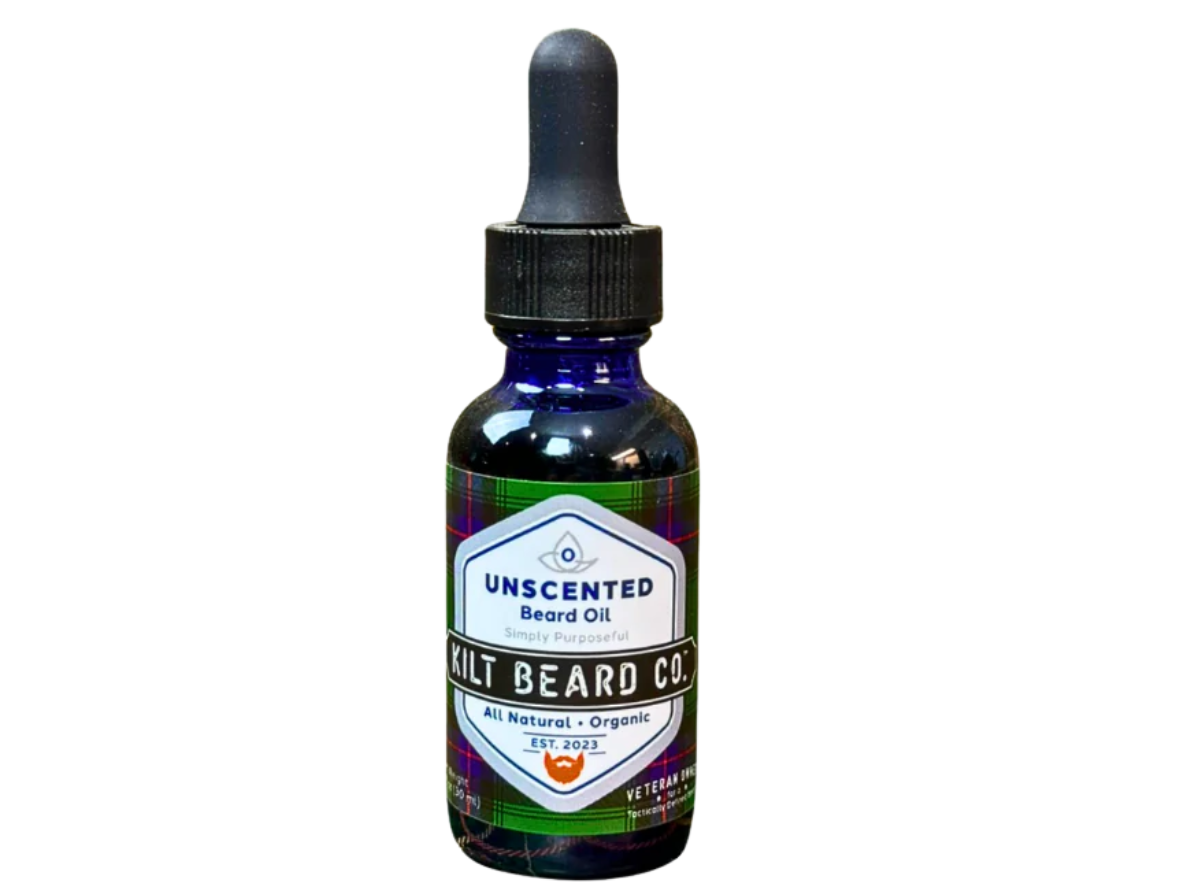
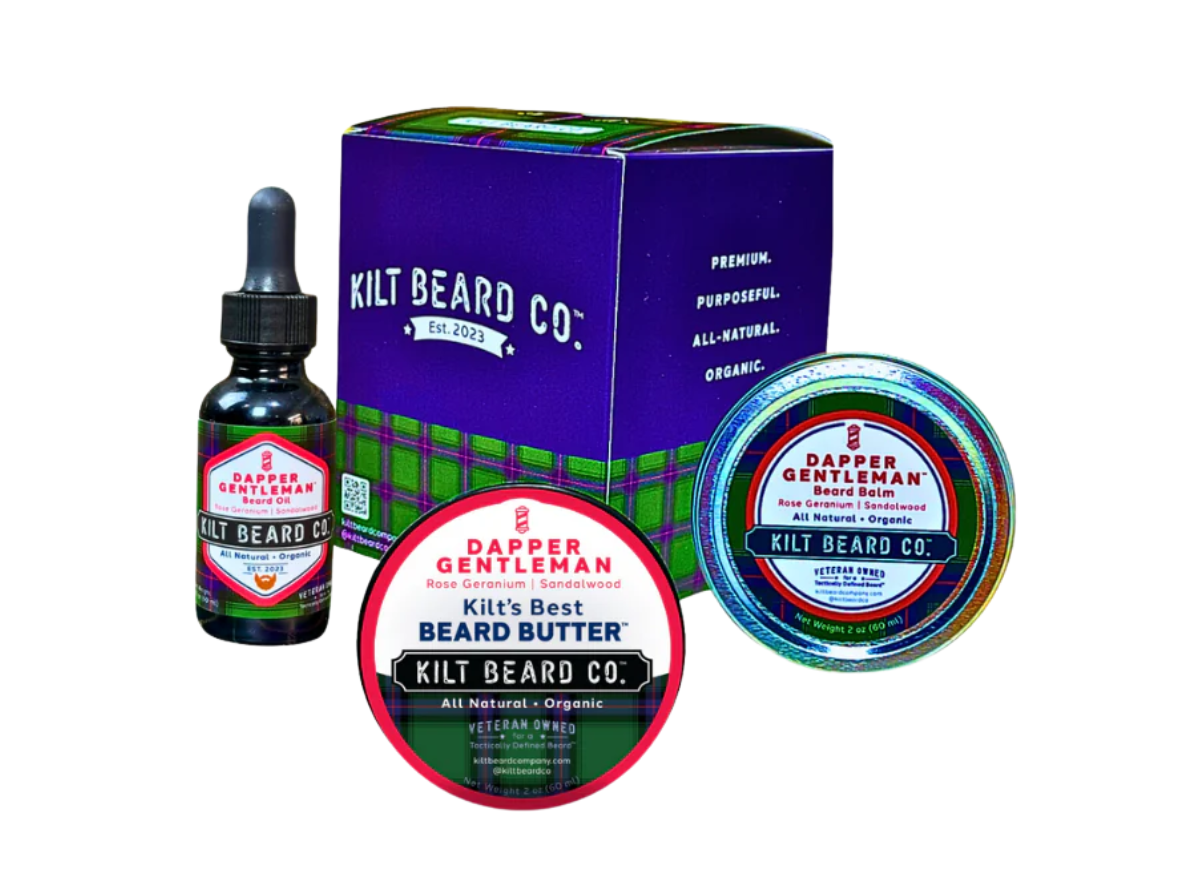
Beard Oil: A lightweight liquid that absorbs directly into the skin beneath your beard, preventing dryness, eliminating itch, and keeping the base of your facial hair thoroughly hydrated under a tight cap line.
-
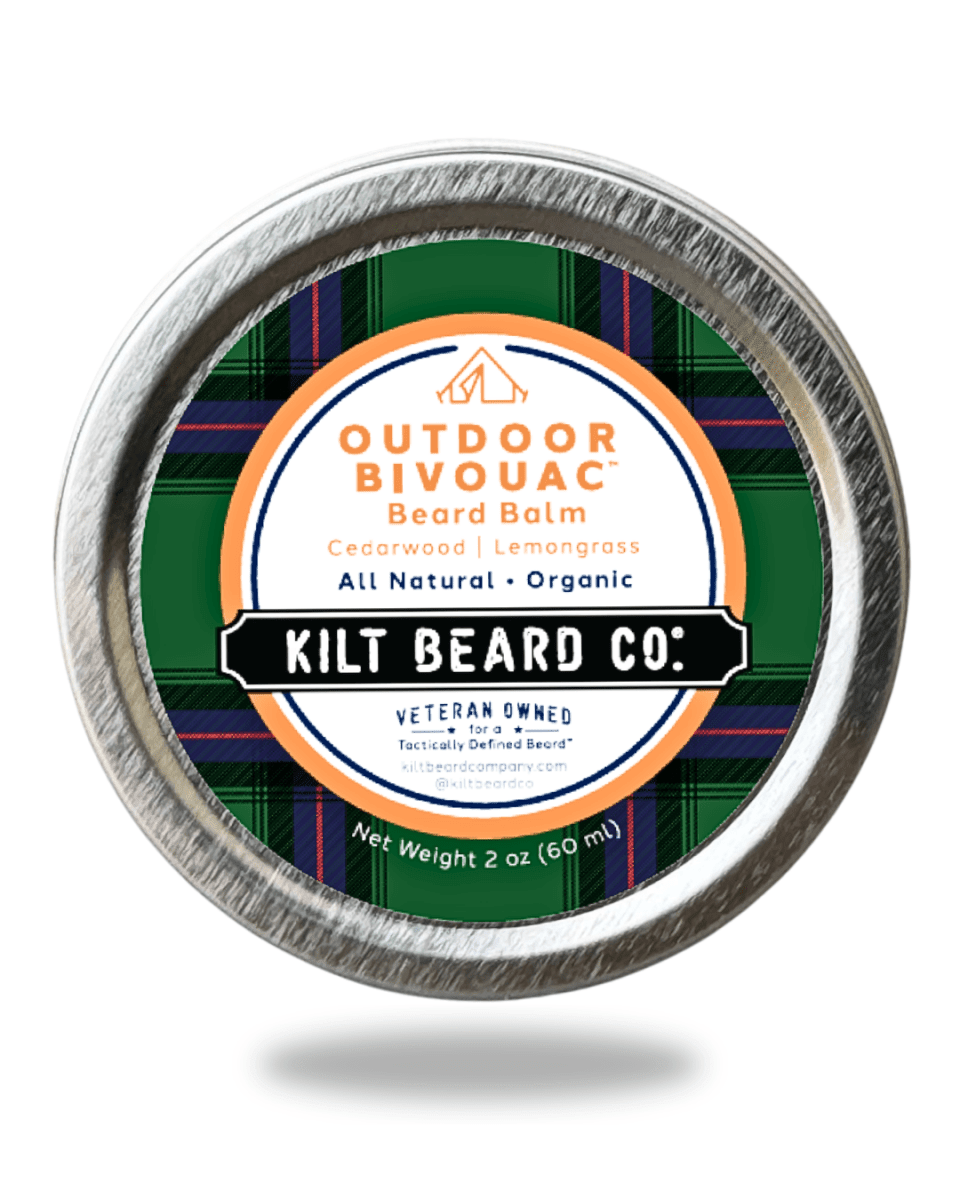
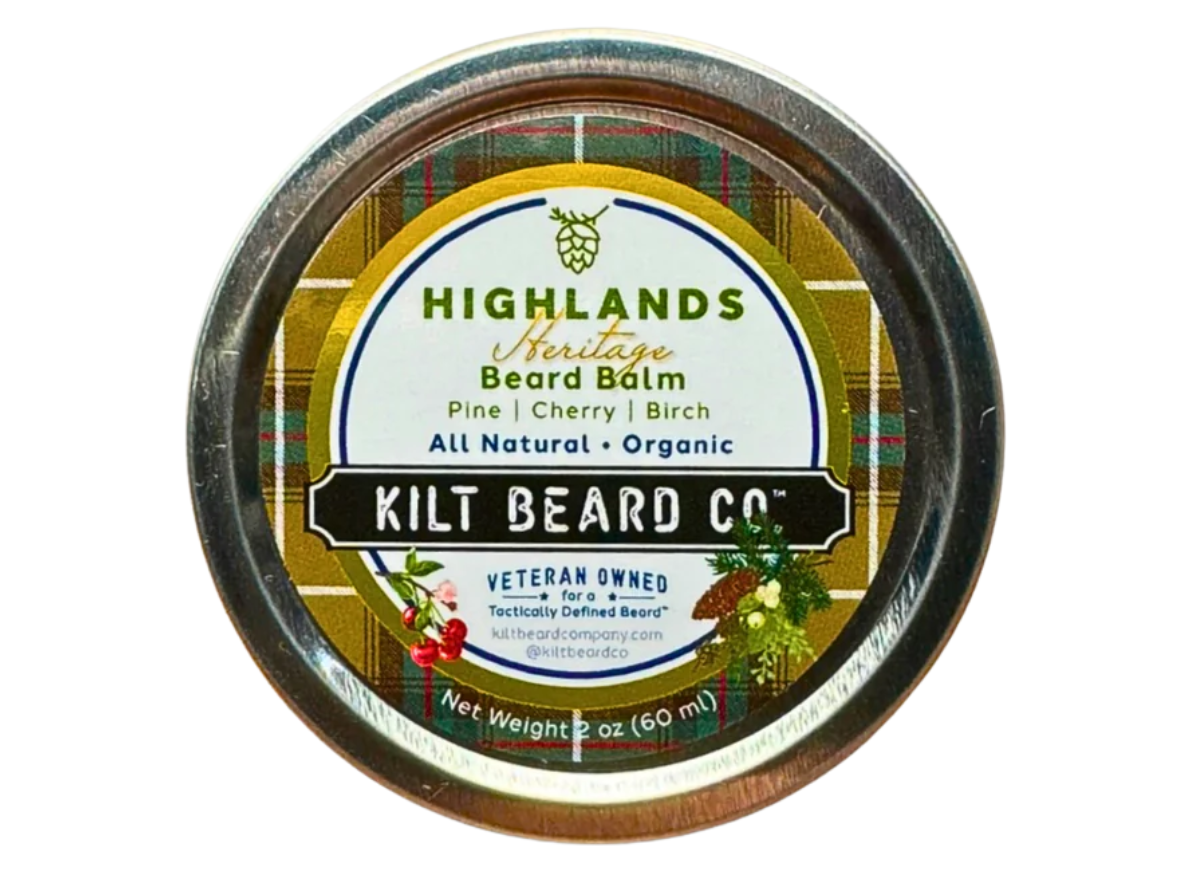
Beard Balm: Crafted with a blend of natural waxes and conditioning butters, this paste offers a functional medium hold that locks down rogue flyaway hairs that try to escape from beneath a cap brim.
-
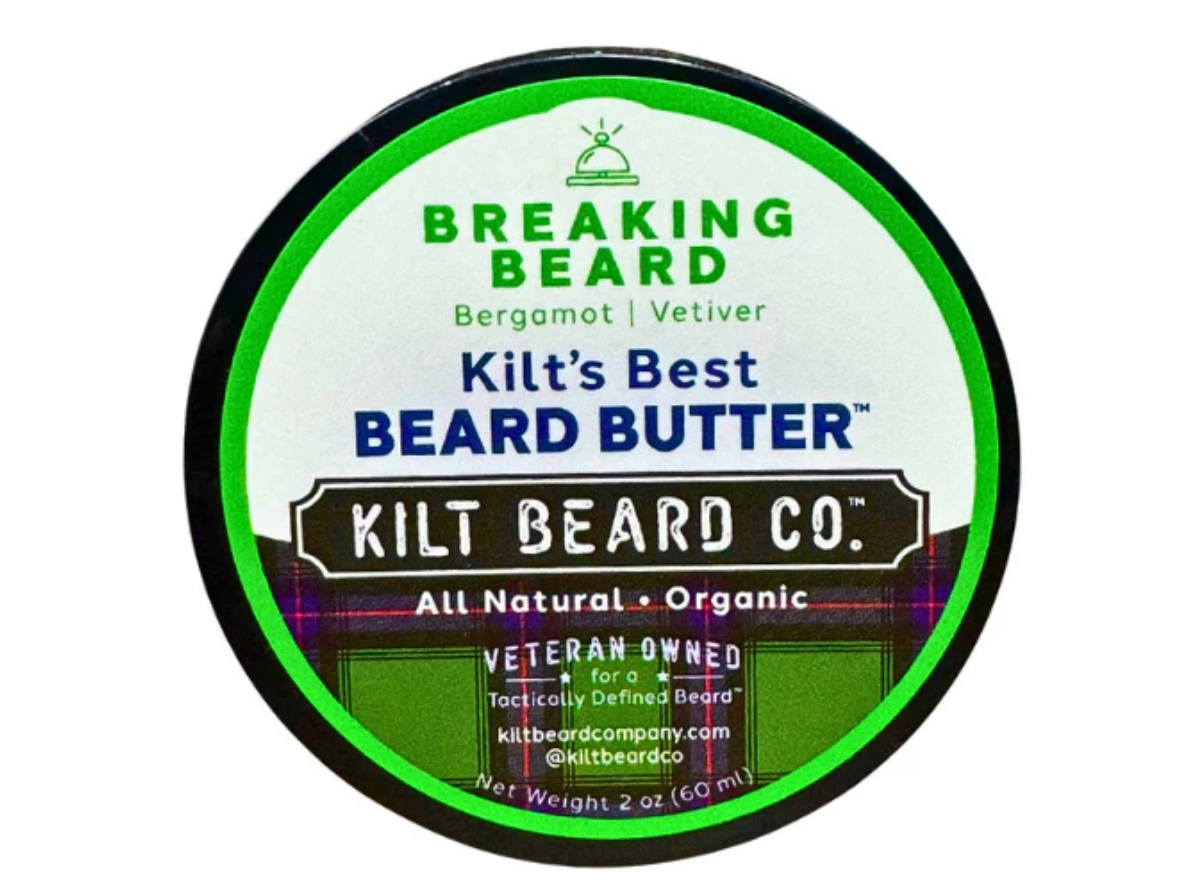
Beard Butter: A creamy, deep-conditioning treatment loaded with shea or mango butter that softens coarse whiskers, allowing your beard to remain flexible so it won't get permanently creased or dented by a tight chin strap or beanie edge.
-
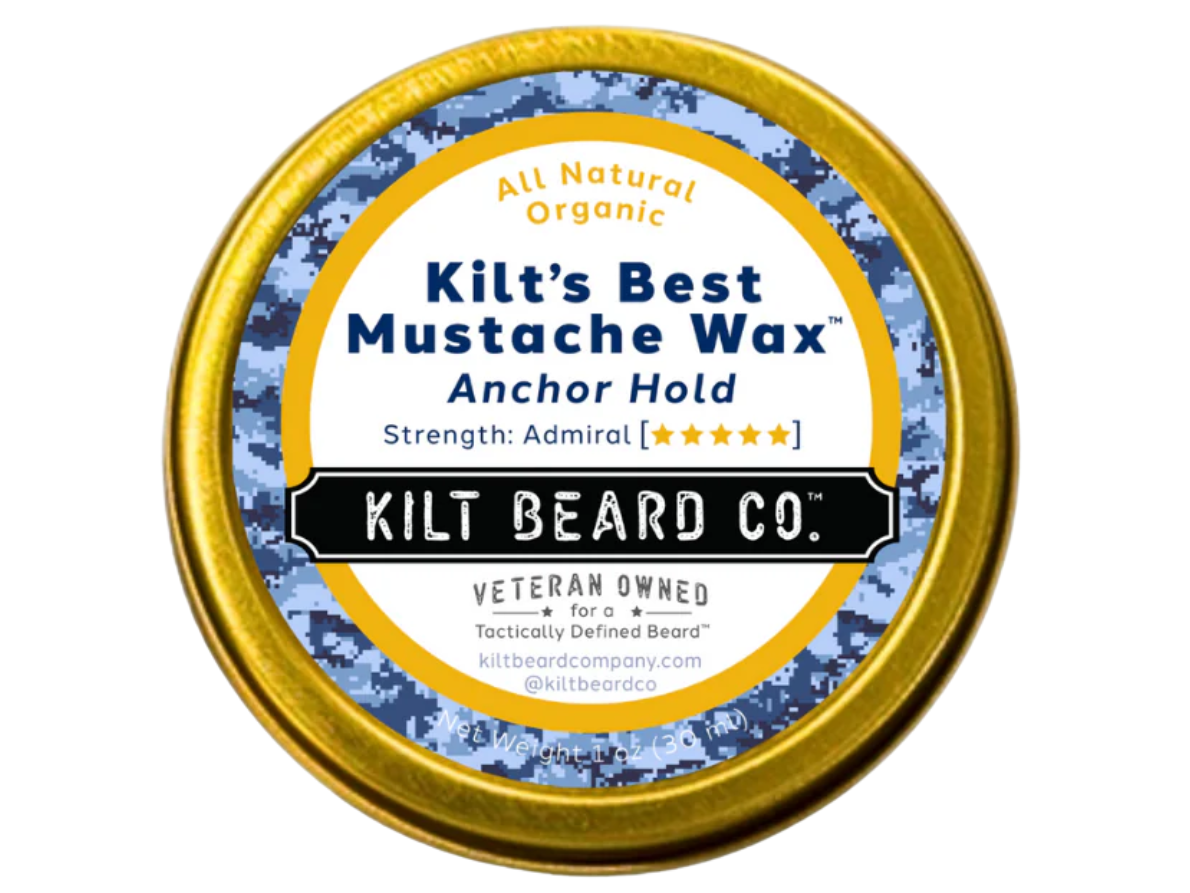
Beard/Mustache Wax: A heavy-duty styling paste with a high beeswax content, built to provide a maximum hold for sculpting handlebar mustaches or securing sharp beard edges that need to stand out cleanly beneath a wide-brimmed cowboy hat.
-
Beard Serum: A highly concentrated fluid packed with specific nutrients that targets patchy areas, softens deep hair cuticles, and revives compressed patches that have been crushed under heavy headwear all day.
-
Beard Wash & Conditioner: A dedicated in-shower routine designed specifically for facial hair that strips away old styling products and forehead sweat from your cap lining without drying out your skin like regular scalp shampoo can.
-
Beard Soap: A rugged, solid cleansing bar built to cut through heavy grease, dirt, and outdoor grit, leaving your beard clean, split-end free, and fully prepared for fresh styling before you put on your favorite wool hat.
-
Beard Spray: A quick, water-based hydrating mist that instantly refreshes, detangles, and deodorizes your facial hair after you spend a long, sweaty afternoon working inside a hot trucker cap.
-
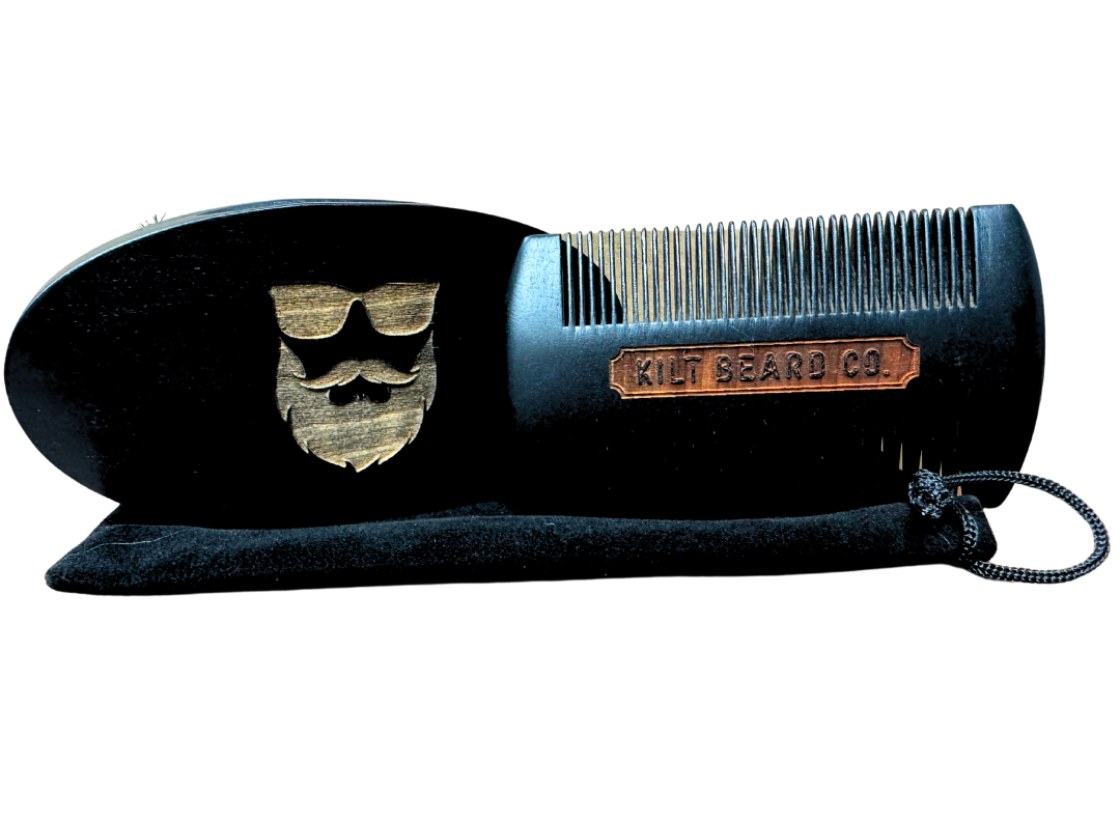
Beard Combs: Implements crafted with hand-sawn wooden or cellulose teeth that glide through thick hair without snagging, ideal for detangling mid-to-long beards and smoothing down the sides so a flat cap sits flat on your head.
-
Beard Brushes: Built with stiff boar bristles, this gear is essential for training unruly hairs to grow downward, clearing away trapped skin flakes, and fluffing out flattened sections of hair after you pull off a tight winter beanie.
-
Beard Scissors: High-grade steel grooming shears designed for trimming rogue flyaways, shaping mustache lips, and clipping away split ends to maintain a clean silhouette that matches the structured lines of your favorite headwear.
Golden Rules For Any Covered Beard
Wearing a cap or hat with facial hair requires a few practical habits to make sure your style stays sharp all day. Skipping the small details can quickly turn a comfortable setup into an itchy, misshapen situation. In order to maintain a completely seamless look without any unnecessary hassle then, stick to these straightforward guidelines:
-
Give Your Beard Breathing Room: Never jam a tight cap down over a full beard until your facial hair is completely flat; leave a little space at the temples so your beard retains its natural width and volume. Crushing the upper sides of your beard breaks up the clean line of your jaw and makes your face look strangely pinched. A proper fit allows the fabric to skim the top of your head while letting your whiskers flare out naturally.
-
Keep Your Headwear Linings Clean: Sweat, natural skin oils, and grooming products will inevitably transfer from your face to the inside band of your caps and hats over time. If you ignore this buildup, that trapped grime will rub right back into your skin and upper beard lines, causing irritation and breakouts. Take a damp cloth with a mild soap to wipe down the inner sweatbands every couple of weeks. Maintaining fresh gear protects your skin barrier and prevents any unwanted odors from clinging to your headwear.
-
Match the Fabric Weight to Your Hair Volume: Heavy materials like thick felt, stiff leather, and coarse wool demand a substantial beard to balance their physical presence out. Lightweight canvas, thin linen, and woven straw pair naturally with shorter lengths, crisp corporate trims, or light stubble. Mixing a massive winter watch cap with a completely bare jaw can look top-heavy, just like wearing a flimsy summer visor with a massive lumberjack beard looks bottom-heavy. Always match the scale of your lid to the actual size of your whiskers.
-
Check Your Side Profile in the Mirror: A cap or hat might look excellent when you stare straight into the bathroom mirror, but the view from the side tells the real story. You need to make sure the back of your brim, or the adjustable plastic strap, does not create an awkward, messy gap with your neckline hair. A full beard requires clean, deliberate boundaries all the way around your head, especially where your sideburns meet your headwear. Grab a hand mirror to inspect the flanks before you walk out the door.
-
Shape Your Hair Before You Put on the Lid: Always brush or comb your beard down into its proper place before placing a hat on your head. This makes sure the individual hair cuticles are trained to handle the weight of the brim without bending wildly out of shape. If you throw a cap onto a tangled, unbrushed beard, the pressure of the hat band will lock those messy cowlicks in place for the rest of the day. A quick thirty-second brush beforehand saves you from hours of dealing with a misshapen jawline.
-
Manage the Sideburn Transition Zone: The narrow strip of hair where your headwear edge meets the top of your sideburns requires a careful watch to prevent a messy overlap. When a structured cap sits too low, it can physically push your sideburns outward, causing them to flare out like wings. To avoid this, tuck the very top tip of your sideburn hair slightly under the edge of the cap, or trim that specific junction just a fraction shorter. This small adjustment creates a clean, continuous line from the top of your skull down to the bottom of your chin.
-
Master the Mid-Day Hat Reset: Taking your hat off during lunch or a meeting often reveals a flat, crushed indentation across the upper sections of your facial hair. Never try to fix this "hat beard" by just rubbing your hands through it dry, as this often creates massive frizz. Keep a small pocket comb or a travel-sized boar bristle brush in your truck or desk to quickly reset the shape. A tiny splash of water or a quick spray of beard mist will reactivate the hair cuticles, so they snap back into a full, natural shape.
-
Watch for Lint and Fiber Transfer: Heavy wool beanies and fuzzy felt hats are notorious for shedding tiny clothing fibers directly into thick facial hair. Because beard oils and balms naturally create a slightly tacky surface, your whiskers can easily act like a magnet for this floating lint. To keep your chin looking clean, give your wool headwear a quick pass with a lint roller before putting it on. If fibers still find their way into your whiskers, a stiff bristle brush will sweep them out easily without ruining your style.
Framing Your Personal Presentation
Nailing the connection between your choice of headwear and your facial hair texture is all about building a balanced frame that highlights your natural features with quiet confidence. You see gents, by combining a clean grooming routine with a clear knowledge of structural proportions, throwing on a favorite cap or hat becomes an easy extension of your daily style. Managing your appearance does not require overthinking the details or chasing passing trends; it simply takes an honest look at your jawline and a willingness to match your gear to the reality of your face shape. Keeping your presentation straightforward, authentic, and well-maintained ensures that you always step out the door looking like a guy who knows exactly how to handle his own frame.