
A man’s face often tells a story that his words try to hide. When looking in the mirror, you aren’t just seeing the result of a morning trim; you are seeing the direct output of how your body is handling the world around it. If your hair’s suddenly looking thin or losing its shine, your biology is likely trying to send you a message about what is happening on the inside. Treating your beard as a style choice is only half the battle, because the real work happens deep within your system long before a single hair reaches the surface. This is about more than just aesthetics; it is about recognizing the signals your body is sending so you can stay ahead of the game.
What Does Men’s Health Actually Mean?
Health is often talked about as if it is a destination you reach or a number on a scale, but for the modern man, it is better defined as a state of total operational readiness. It’s the ability of your body to respond to stress, repair damage, and maintain its systems without breaking down. When your internal systems are running smoothly, every part of your body benefits, from your heart and lungs to the hair growing on your chin. If one system starts to lag, the body begins a process of prioritization, shifting resources away from non-essential functions to protect the core. This is why you see the first signs of trouble in "luxury" areas like your facial hair rather than in your vital organs. Your body views your beard as a non-essential asset, meaning it is the first thing to get cut from the budget when the internal "economy" starts to struggle.
Your body is a complex network of biological systems that are constantly communicating with one another. Hormones, nutrients, and electrical signals move through your bloodstream like a massive logistics operation, delivering the supplies needed for growth and repair. When we talk about men’s health, we are talking about the efficiency of that operation. A healthy man has a body that can effectively process the fuel he gives it, manage the waste it produces, and keep the "check engine" lights from flashing. If you aren't providing the right supplies or if you are putting too much stress on the network, the output is going to suffer. It isn't just about one organ or one habit, but how the whole machine functions under pressure. A man who has his life together reflects that in the way his body presents itself to the world.
Think of your physical well-being as a symphony of moving parts that all need to be in sync. You can’t ignore your sleep and expect your brain to fire at full capacity, just as you can’t ignore your nutrition and expect your muscles to recover after a hard day. Every choice you make, from the food you eat to the way you handle a bad day at work, impacts this balance. When we look at health through this lens, it becomes clear that nothing happens in isolation. Your exterior look is the final product of an internal process that requires your attention every single day. It is a blueprint for how you live your life, showing up in the thickness of your beard and the clarity of your skin. Maintaining this state of readiness requires you to look at the big picture rather than just focusing on the surface.
The 5-Part Men’s Beard Health Blueprint
For any bearded man, really, a health blueprint serves as a vital map for navigating the unique intersection of systemic wellness and personal grooming. Maintaining a beard isn't just about aesthetics; it requires knowledge of how internal factors directly influence the resilience of facial hair and the health of the skin beneath it. By following a structured approach to well-being, a man ensures that his physical vitality supports the longevity and quality of his signature look.
Part 1: The "Inside-Out" Beard: How Nutrition Dictates Growth
You can’t buy your way out of a bad diet when it comes to facial hair. A lot of guys think they can just slap on some oil and balm and fix a beard that looks like dry straw, but that is like putting a fresh coat of paint on a house with a rotting frame. Your follicles are living factories that require a constant supply of raw materials to produce hair that’s strong and resilient. If you’re feeding your body nothing but processed junk and sugar, the output is going to be weak and brittle. The hair on your face is a direct reflection of the fuel you put in your tank, and if that fuel is low-grade, the results will follow suit. External products are there to protect and style what you have, but they don't create the hair for you. That work happens at the cellular level, and it is entirely dependent on the vitamins and minerals you consume every single day.
The Direct Nutrients
Getting the biological chemistry right requires a focus on a few heavy hitters that do the heavy lifting for your follicles. We’re talking about nutrients fellas. These act as the catalysts for growth, making sure the hair stays in the active phase for as long as possible. When your body is flooded with these supplies, it doesn't have to ration resources, which allows your beard to reach its maximum density and thickness. Key nutrients are broken down into primary groups.
Essential Vitamins
Essential vitamins are organic compounds that your body requires in small amounts to support vital functions like immunity, nerve health, and energy production. Since the body cannot produce most of these thirteen nutrients on its own, they must be obtained regularly through a balanced diet or supplements, such as:
-
Biotin (B7/Vitamin H): This can help promote keratin production, which often results in stronger hair strands. You can find this in foods like eggs, nuts, and sweet potatoes.
-
Vitamin C: This is a powerful antioxidant that aids in collagen production, which often improves the foundation of the hair. It is commonly found in citrus fruits, strawberries, and bell peppers.
-
Vitamin D: This is vital for stimulating and rejuvenating hair follicles, which helps prevent patchiness for many guys. Solid sources include sunlight and fatty fish.
-
Vitamin E: This helps enhance blood circulation to the follicles and can keep the skin healthy. It is found in foods like avocados, seeds, and nuts.
-
Vitamin B6 & B12: These are essential for protein metabolism and creating red blood cells that supply nutrients to the hair.
-
Vitamin A: This assists with sebum production, which helps keep the hair moisturized.
Key Minerals
Key minerals are inorganic elements found in soil and water that the body needs to support bone health, fluid balance, and various metabolic processes. These are categorized into macro-minerals, which you need in larger amounts, and trace minerals, which are required only in tiny quantities for optimal function, such as:
-
Zinc: Essential for hair growth, cell turnover, and protein synthesis.
-
Selenium: This helps the body process the specific proteins needed for consistent hair growth.
-
Iron: This transports oxygen to the hair follicles, which can keep them operational.
-
Copper: Helps create collagen and elastin, which can help promote natural hair pigmentation.
-
Potassium: This aids in cellular renewal, helps stimulate hair follicles, promotes healthier growth, and can improve texture to prevent dryness and breakage.
Other Essential Nutrient Boosters
While not always classified as primary vitamins, other essential nutrient boosters are vital for strengthening your immune system and maintaining long-term heart and brain health. The following work alongside vitamins and minerals:
-
Protein: Because hair is made of protein, eating enough of it is vital for growth.
-
Omega-3 Fatty Acids: These help lubricate hair follicles, which can prevent dry or flaky skin. These are often found in fish, walnuts, and chia seeds.
-
Collagen: This helps strengthen the hair follicles from the base up.
Keratin
The actual physical bulk of your beard is made of a protein called keratin. Think of keratin as the bricks and mortar of your facial hair. If you aren't eating enough lean protein, your body won't have the amino acids it needs to manufacture those bricks. This is why a man who is skipping out on quality protein often has a beard that looks thin and transparent. When you consume things like steak, chicken, fish, or plant-based proteins, your body breaks them down and sends the amino acids directly to the follicles to build more hair. It is a simple supply and demand equation. If the demand for hair is high but the supply of protein is low, the body just stops production. By prioritizing lean proteins, you are providing the building blocks for a beard that has actual substance and weight to it rather than just being a light fuzz.
Digestive Health
Your digestive health also has a massive role in how your beard looks and feels. There is a strong connection between your gut microbiome and the quality of your hair and skin. If your gut is inflamed from a poor diet, it can’t absorb the nutrients you are eating, no matter how healthy they are. This inflammation can also show up on your face as redness, itchiness, or uneven growth. A healthy gut ensures that the vitamins and minerals you take in are actually delivered to your face rather than being wasted. This "inside-out" approach is the only way to achieve a beard that has a natural shine and strength. When your digestion is on point and your nutrition is dialed in, your beard becomes a visible sign of a man who is running on all cylinders.
Part 2: Testosterone, Exercise, and the Follicle Connection
If you want a thicker beard, you might find more success in the weight room than in the grooming aisle. There is a direct link between your physical activity levels and the density of your facial hair because your hormones respond to the work you put in at the gym. Testosterone is the primary driver of male secondary sex characteristics, and that includes the hair on your chin. When you engage in high-intensity exercise, your body naturally bumps up its production of testosterone and its more potent version, Dihydrotestosterone (DHT). These hormones act as a signal to your follicles to start producing thicker, darker hair. A man who is active and pushing his limits is going to have a biological advantage over a man who stays on the couch, purely because his hormonal profile is optimized for growth.
Lifting heavy weights is perhaps the most effective grooming tool you have at your disposal. Compound movements like squats and deadlifts trigger a systemic hormonal response that benefits your entire body, including your face. This isn't just about having more testosterone in your blood; it is about making your body more sensitive to the hormones you already have. Exercise helps improve the receptivity of the androgen receptors in your follicles, making them more efficient at grabbing those hormones and putting them to work. It is a feedback loop where the more you move, the better your body becomes at building a masculine look. This is why many guys notice that their beard seems to fill in more once they start a serious fitness routine. It is the result of your biology catching up to your lifestyle.
Beyond the hormones, exercise is the most effective way to improve the transport of nutrients to your face. Your blood is the delivery vehicle for every vitamin and mineral we’ve discussed. When your heart rate is elevated, you are forcing blood into the small capillaries in your skin that might otherwise be underserved. This increased circulation flushes out the "trash" like dead cells and toxins while bringing in a fresh batch of oxygen and nutrients. It is like turning on a high-pressure hose for an irrigation system. The better your circulation, the more resources your follicles have to work with. This is why your skin looks better after a workout; you are literally feeding your face with the best your blood has to offer.
Maintaining a consistent fitness routine also helps regulate other hormones that can interfere with your beard. For example, staying lean helps prevent your body from converting too much testosterone into estrogen, which can happen when body fat levels get too high. High estrogen can dampen the signals that tell your follicles to grow, leading to a softer, thinner beard. By staying active, you are keeping your internal chemistry balanced and focused on maintaining your masculine traits. It is about long-term stability rather than a quick fix. A man who treats his body like a high-performance machine will find that his beard reflects that discipline. It is a sign of a guy who isn't just looking for a shortcut, but is willing to do the work to stay in peak condition.
Part 3: Stress: Being the Silent Beard Killer
Chronic pressure at work or in your personal life does more than just ruin your mood; it can physically alter the way your hair grows. Many men don't realize that their career choice or daily grind is the direct cause of the thin patches appearing on their chin. Your body is a reactive machine that prioritizes survival over style, and when you’re constantly under fire, your follicles are the first things to lose their funding. This is why a demanding profession often leads to a beard that looks tired, sparse, and lacks its natural luster.
Certain roles are notorious for creating the kind of high-tension environment that makes maintaining a healthy look nearly impossible without a serious plan for recovery:
-
First Responders and Medical Staff: Doctors, nurses, police, and firefighters operate in a constant cycle of adrenaline and high-stakes decision-making. This environment keeps the body in a permanent state of high alert, which can disrupt the natural growth cycles of your facial hair.
-
Corporate Leadership and High-Pressure Sales: The weight of quotas and the "always-on" culture of modern business leads to a steady drip of tension that never truly shuts off. When you are constantly chasing the next deal, your body often diverts resources away from hair production to handle the mental strain.
-
Long-Haul Drivers: Spending ten hours a day behind the wheel leads to a combination of physical isolation and constant mental alertness that wears down the system . The lack of movement combined with the stress of the road is a recipe for high cortisol and poor beard health.
-
Small Business Owners and Entrepreneurs: The heavy responsibility of carrying a company solo often results in skipping meals and sleep, which directly impacts the nutrients reaching your face. When you are the only one accountable for the bottom line, your own physical well-being often takes a back seat.
-
Construction and Manual Trades: While physical, these jobs involve extreme deadlines and harsh environments that can beat up the body. The physical exhaustion from long shifts in the sun or cold can lead to systemic stress that makes your beard feel brittle and dry.
-
Tech Support and Software Developers: These roles often involve high-pressure deadlines and long hours of sedentary work under artificial lighting. The mental strain of troubleshooting complex problems for hours on end can lead to a silent buildup of tension that impacts your hormonal balance.
-
Hospitality and Customer Service: Dealing with the public for eight hours a day requires a massive amount of emotional energy. This constant "performance" can lead to a specific type of social burnout that manifests as physical fatigue and thinning facial hair.
-
Military Personnel: Deployment and training involve extreme physical and mental stress that most civilians will never experience. The combination of sleep deprivation and high-stakes environments is perhaps the most intense stress test a man's beard can undergo.
Now, the chemical culprit behind this damage is a hormone called cortisol. When you’re stressed, your body floods your system with cortisol to help you handle a perceived threat. While this is helpful if you are running from a predator, it is a disaster for hair growth when it stays in your blood for weeks at a time. High levels of cortisol can actually push your hair follicles into a premature resting phase, effectively telling them to stop production. This leads to a condition called Telogen Effluvium, where you might notice sudden shedding or a loss of density that seemingly comes out of nowhere. It is a biological shutdown where your system decides it doesn't have the energy to spare for non-essential tasks like growing a beard.
Sleep hygiene is the silent partner in your grooming routine that most guys completely ignore. Your body performs the bulk of its cellular repair and hormonal balancing during the deep stages of sleep, which is when the "construction crew" shows up to fix the damage from your day. If your sleep is shallow or frequently interrupted by the glow of a phone or the stress of tomorrow's meeting, you are skipping the most important maintenance window of the day. Proper rest helps flush out the day’s cortisol and resets your internal clock, ensuring your follicles have a clean slate to work with in the morning. Without those seven or eight hours of quality shut-down time, your beard will never reach its full potential because it simply isn't getting the repair time it requires.
Finally, we must look at the mental weight of burnout and how it manifests physically. When reaching a point of total exhaustion, your physiological systems begin to operate on a "starvation budget", preserving only what’s necessary to keep you moving. Mental health and physical appearance are linked in a way that most men are only just beginning to talk about. Cortisol management isn't just a trend; it is a physiological requirement for anyone trying to maintain a rugged look. Taking the time to disconnect, manage your breathing, and find a way to bleed off the tension of the day is as important for your beard as any wash or oil. If you’re burning out on the inside, it is only a matter of time before the fire starts showing on the outside.
Part 4: Skin Health - The Foundation Below the Fuzz
Lots of men, it seems spend so much time focusing on the hair itself that they completely forget the skin it grows out of. Your beard is only as healthy as the skin underneath, and if you ignore that foundation, you are asking for trouble down the line. Clogged pores, dry patches, and trapped dead skin cells are the primary causes of the itchiness and irritation that make many guys give up on their beard altogether. You wouldn't try to build a house on a swamp, and you shouldn't try to grow a thick beard on skin that is neglected and starved for moisture. Proper dermatological care is the bedrock of a look that feels as good as it looks.
One of the most annoying hurdles a bearded man faces is Seborrheic Dermatitis, often called beard dandruff or "beardruff". This isn't just a sign of being dirty; it is a reaction of your skin to an overgrowth of yeast that thrives in the warm, oily environment beneath your hair. When your skin gets out of balance, it reacts by flaking and becoming red and angry. This inflammation can actually damage the follicles and slow down growth if it isn't handled correctly. Managing this involves more than just a quick rinse; you need to use products that can balance the microbiome of your face without stripping away the protective oils that keep the hair soft.
Hydration is the other major factor that dictates whether your skin stays elastic or becomes a tight, itchy mess. As your beard grows longer, it acts like a sponge, pulling natural moisture away from the surface of your skin and leaving it vulnerable to the elements. This is why that deep itch often kicks in once you reach a certain length. Keeping your internal hydration levels high by drinking enough water ensures that your skin has the resources it needs to stay supple from the inside out. When the skin is well-hydrated, it remains flexible and healthy, which allows the hair to emerge without causing the micro-tears and irritation that lead to painful bumps and flakes.
True dermatological wellness is about maintaining the barrier that protects your face from the grit and grime of the world . This means being careful with how you treat your face, especially when it comes to drying off after a shower or a swim. Using a rough towel or harsh chemicals can compromise that barrier, leading to a host of problems that are much harder to fix than they are to prevent. By treating your skin with the same respect you give your hair, you are creating an environment where growth is easy and comfortable. A man who understands the biology of his skin is a man who will never have to worry about a lopsided or struggling beard.
Part 5: The Psychology of Grooming: Self-Care vs. Vanity
Taking pride in your appearance is often labeled as vanity, but for a man who understands his own biology, it is a matter of self-respect. Beard care is the act of managing the environment on your face to make sure you stay comfortable and healthy. It is the basic habit of not letting your face become a wasteland of dry skin and tangled hair. Rather than being a superficial pursuit, it is about maintenance that keeps you looking like a man who has his life together, rather than someone who just rolled out of a hedge. By taking the time to handle your grooming, you’re balancing the need to clean away the grit of the day without stripping the life out of your follicles.
Getting this right involves using a specific toolkit that’s tailored to your length and your lifestyle. Each product below serves a distinct purpose in maintaining the health of the hair and the skin underneath, providing the structure and moisture that your body might struggle to produce on its own:
-
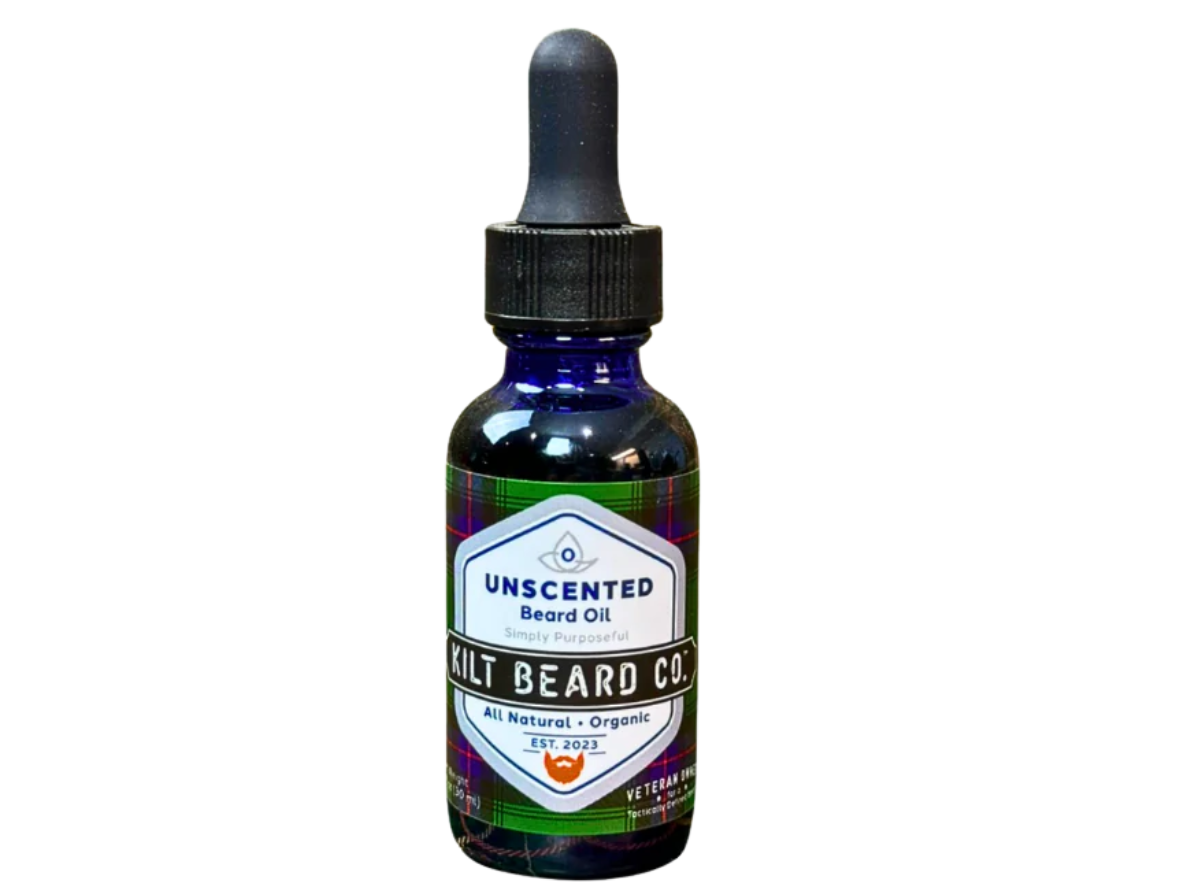
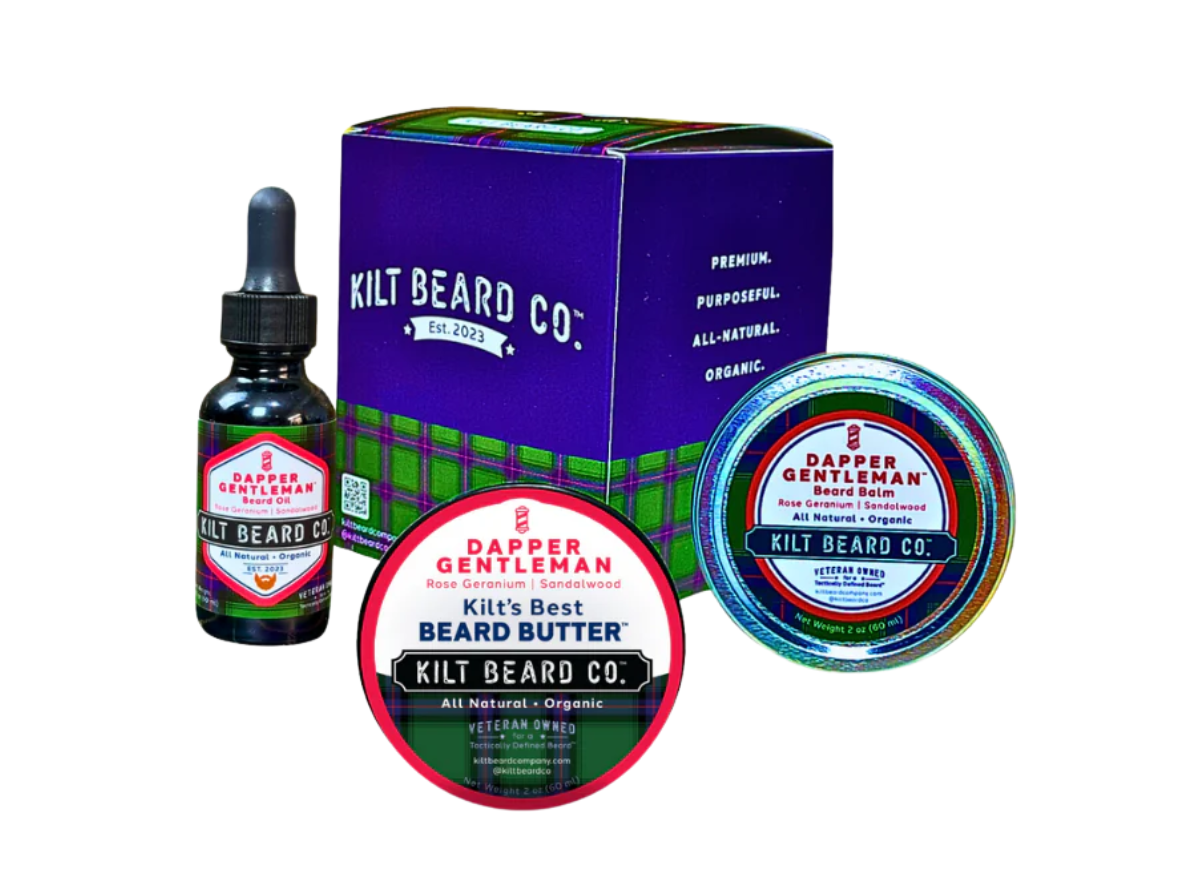
Beard Oil: This is the foundation for almost every guy, consisting of a light liquid that mimics your skin’s natural oils to stop the itch and soften the hair. It is the first thing you should grab because it handles the skin health underneath the hair, which is where most problems start.
-
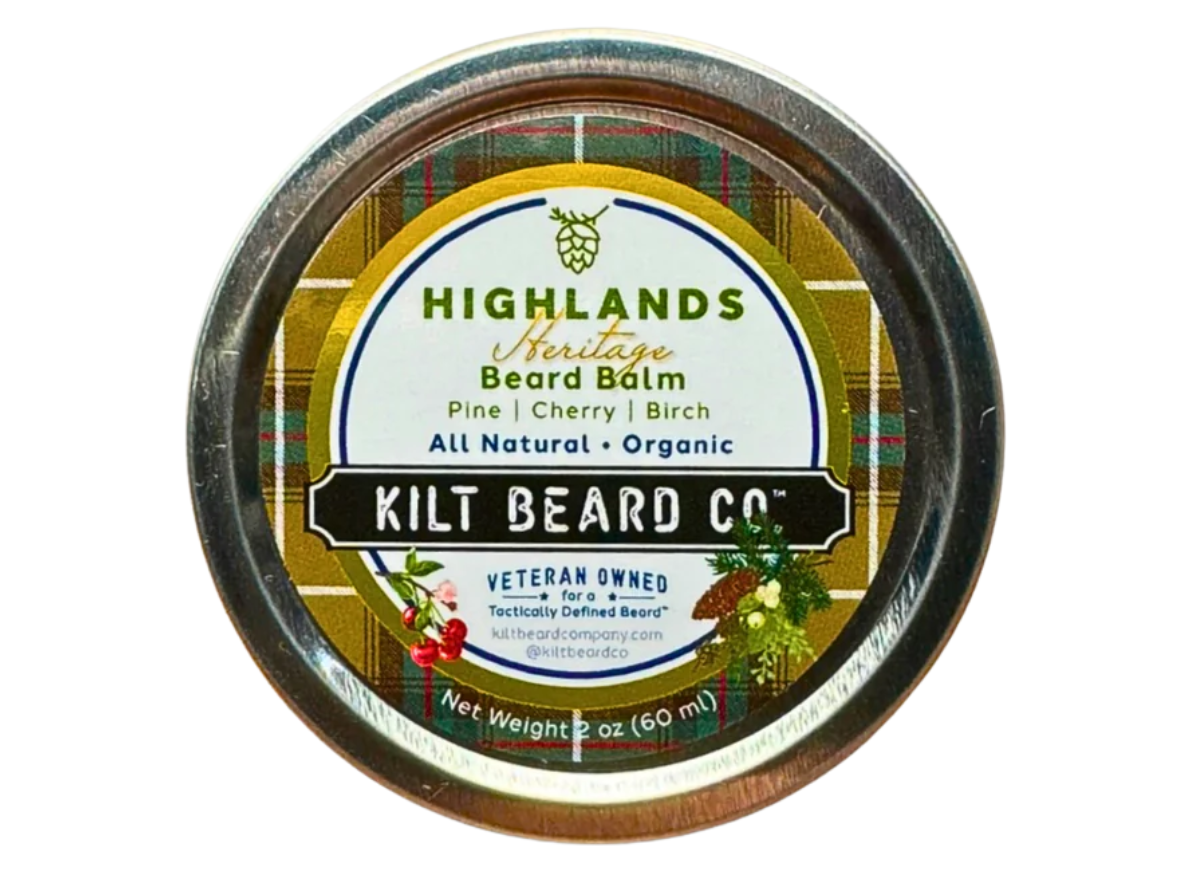
Beard Balm: A thicker, creamy product that provides a bit of hold for styling. It is perfect for medium to long beards that need to stay in place throughout the day. It usually contains beeswax or shea butter, which creates a protective layer against the wind and sun.
-
Beard Serum: This is a more concentrated formula designed to soak in fast and provide a heavy hit of nutrients without feeling greasy. It acts like a high-performance version of oil that helps with repair if your hair is feeling particularly fried or damaged.
-
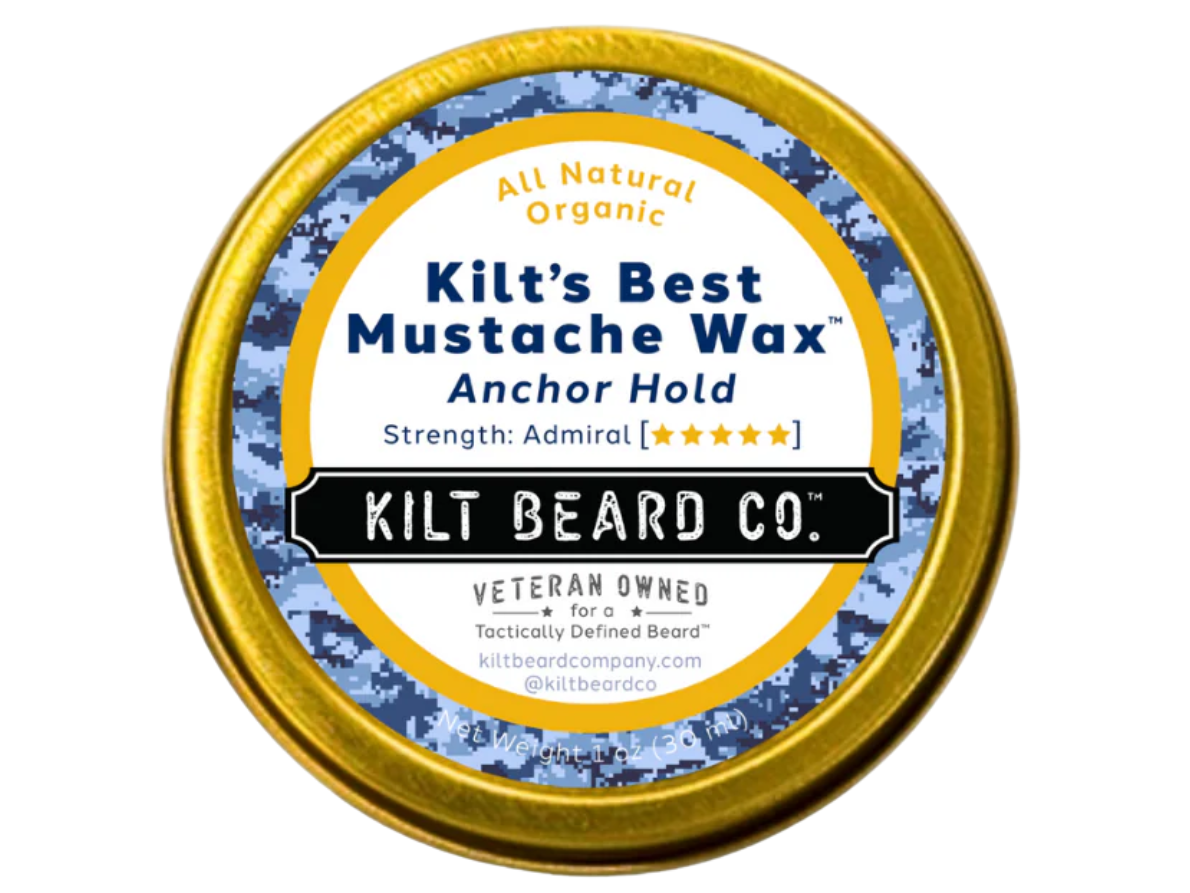
Beard/Mustache Wax: The heavy hitter for styling when you need the firmest hold for a handlebar mustache or a wild beard. It is a nice choice when you are out and about and can’t have stray hairs flying everywhere.
-
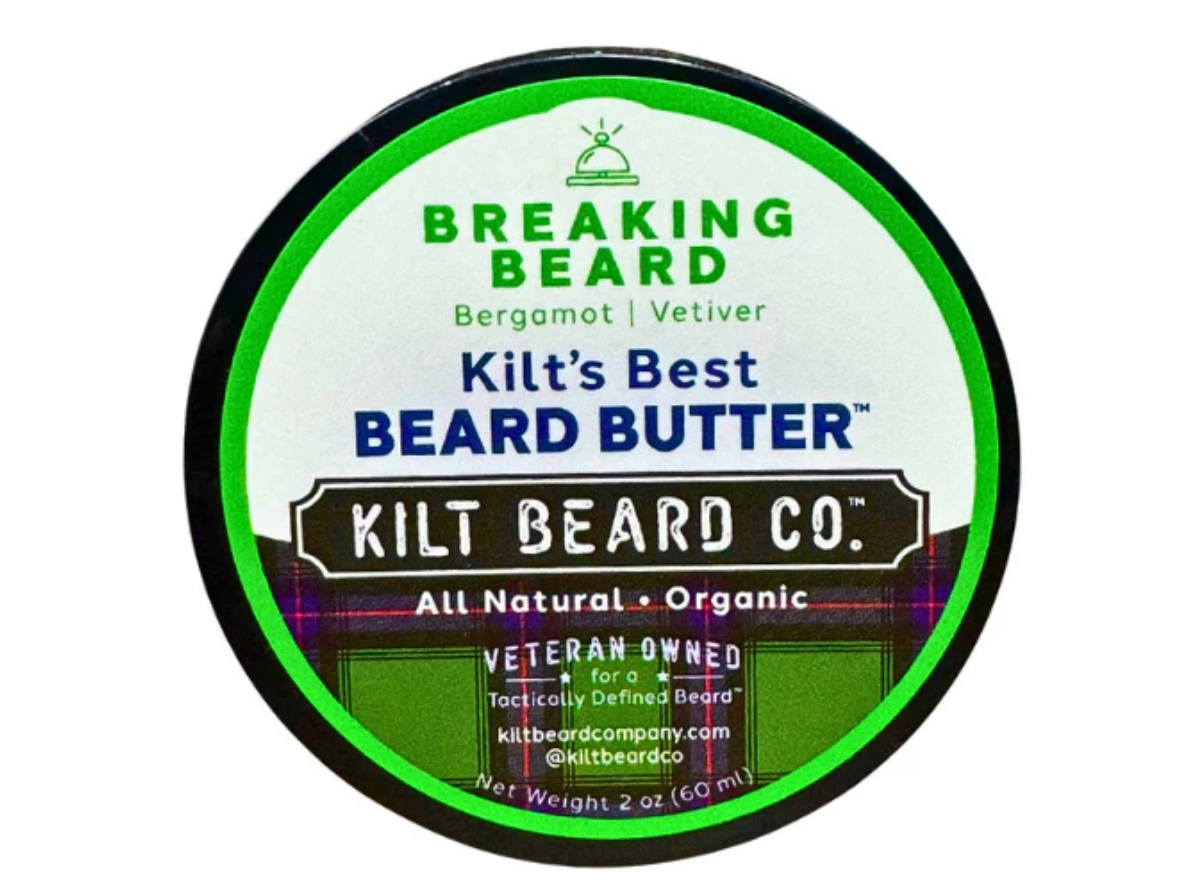
Beard Butter: Think of this as a deep conditioner for your face. It is excellent for overnight use or for guys with very dry hair who want a matte, natural look with a little bit of shape. It makes the hair feel incredibly soft without the stiff hold of balm.
-
Beard Wash & Conditioner: Standard hair products are too harsh for your face, but these are formulated to clean the hair without stripping away the oils you actually need. Using regular soap on a beard is a fast track to a face that feels like sandpaper.
-
Beard Soap: A solid alternative to liquid wash, often made with natural fats and clays to pull out dirt while keeping the skin hydrated. It is often easier to pack than a bottle of liquid, making it a favorite for guys who travel light.
-
Beard Spray: A quick refresher for those days when you don’t have time for a full wash but need to get rid of a certain smell. It is a light mist that adds a bit of scent and a tiny boost of moisture.
-
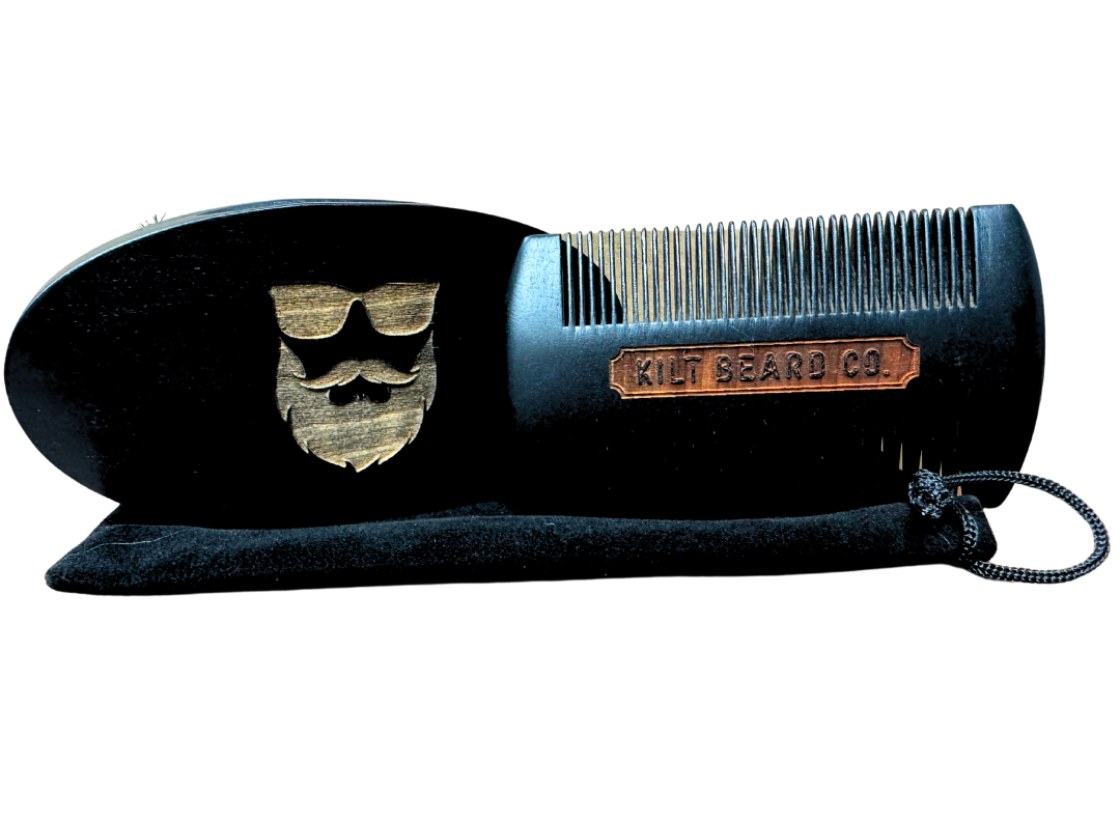
Beard Combs: This grooming accessory is specifically designed with teeth of varying widths to detangle facial hair and distribute natural oils or products evenly. They are often crafted from materials like wood, horn, carbon fiber, and stainless steel to prevent static and minimize snagging on coarse whiskers.
-
Beard Brushes: Usually made with boar bristles, these are used to train the hair to grow in a certain direction. They exfoliate the skin underneath, clearing out dead cells and making sure your oil gets all the way to the root.
Setting aside 5-10 minutes for beard maintenance every morning is a significant win for your mental health. This small window of time acts as a buffer between your sleep and the demands of the day, allowing you to focus on a single, tangible task. When you’re standing at the mirror, you aren't thinking about emails or deadlines; you are focused on the texture of the hair and the health of your skin. This focus provides a sense of control over your immediate environment that can be very grounding before you step out into a world that is often out of your hands. It is a psychological reset that proves you’re willing to put in the work to take care of yourself, which sets a positive tone for everything else you will do.
The meditative aspect of a routine also has a direct impact on your confidence and professional performance. Looking put together is not about impressing others as much as it is about feeling prepared. When you know your beard is groomed and your skin is healthy, you carry yourself with a different level of authority. It is a visible signal that you pay attention to the details and that you have the discipline to follow through on a daily habit. This perceived competence often translates into how you are treated in professional settings, as people tend to trust a man who clearly has his own house in order. It is a silent way of broadcasting your readiness to handle the challenges of your career with the same level of care you give to your own appearance.
Mindfulness is the ultimate psychological benefit of a consistent grooming routine. It reinforces the connection between your physical body and your mental state, reminding you that you are a whole person rather than just a worker or a provider. This daily practice helps you become more aware of the subtle changes in your body, from a dry patch of skin to a bit of extra tension in your jaw. By paying attention to these signals, you can adjust your lifestyle, improve your hydration, or manage your stress before they become major issues. Grooming becomes a diagnostic tool that keeps you in tune with your own biology, turning a simple act of self-care into a vital part of your overall wellness strategy. It is a simple way to remind yourself every morning that your health is worth the effort.
The Biological Signature of Bearded Success
Your beard is a living record of how you treat your body and it does not have the ability to fake the results. When committing to better sleep, solid nutrition, and a consistent routine, the hair on your face will be the first to show the world that you’re operating at a higher level. This is about using every tool at your disposal to maintain your health from the inside out so you can stay ahead of the game. After all, a sharp beard is the natural consequence of a man who respects his biology and handles his business with confidence.
Disclaimer: This information is for general guidance and isn't a medical diagnosis or a treatment plan. While certain factors can affect a man’s beard health, it is always best to speak with a licensed medical professional if you have specific concerns that need to be addressed.

