
Maintaining a truly impressive mane of facial hair is often viewed through the lens of simple aesthetics, yet the structural integrity of those whiskers depends on a hidden mechanism of defense. Most men stroll through their day unaware that their face is home to a complex biological shield designed to preserve moisture and deflect environmental stressors. When this invisible armor remains intact, your whiskers feel like a soft, pliable fabric that enhances your appearance and bolsters your personal confidence.
However, if this defensive perimeter begins to fail, the resulting coarseness and brittleness can turn a source of pride into a source of daily frustration. To truly master the art of grooming, one must move beyond surface-level styling and grasp the importance of nurturing this biological safe zone. This involves a shift in perspective, viewing your facial hair not just as a visual statement, but as a living structure that requires specific fortification to look its best. Establishing a resilient environment for your beard, like proper barrier care, ensures that your growth remains manageable regardless of whether you're facing a dry winter wind or a humid summer afternoon.
What is a Beard’s Natural Barrier and What Does It Exactly Do?
The foundational layer of your beard's defense is a sophisticated interplay between the microscopic scales of the hair cuticle and the natural lipids produced by your skin. This biological shield, primarily composed of sebum, acts as a waterproof coating that prevents the internal moisture of each hair shaft from evaporating into the surrounding air. The effectiveness of this barrier is largely determined by the specific shape and size of your growth, as a massive mane requires a much larger volume of natural oils to maintain its integrity compared to a light dusting of stubble.
For men with curly or coarse textures, the challenge is even greater, as the natural bends in the hair make it difficult for these protective oils to travel from the base to the tips. The length of your beard also plays a critical role, as the further the hair grows from the chin, the more likely the tips are to become dehydrated and vulnerable. Consequently, the natural barrier is not a static element but a dynamic system that must adapt to the physical characteristics of your specific facial hair.
The health of this protective perimeter is also heavily influenced by the density of the hair and the environment in which you live. A thick, dense beard acts as a localized microclimate, trapping heat and moisture close to the skin, which can either support the barrier or lead to a buildup of debris if not managed correctly. As the hair gains length, the cuticle layers—the overlapping scales that protect the core of the hair—become more susceptible to lifting and fraying due to mechanical friction and environmental exposure.
This means that a man with a long, flowing beard must be far more diligent about manual barrier reinforcement than someone maintaining a close-trimmed, professional look. The shape of the beard, whether it is a sharp, geometric trim or a natural, rugged growth, also dictates how environmental stressors like wind and sun hit the hair fibers. Ultimately, your unique genetic footprint and the physical dimensions of your beard establish the baseline requirements for how much support your natural barrier needs to function at its peak.
The following points detail the specific actions this barrier performs to keep your facial hair in top-tier condition:
-
Moisture Sequestration and Dehydration Prevention: The most critical function of the barrier is to act as a physical seal that traps water molecules inside the cortex of the hair. When this seal is robust, the beard retains its natural elasticity, preventing that "crunchy" or brittle feeling that often leads to breakage and split ends. A well-hydrated whisker is a heavy whisker, meaning it hangs with a better drape and resists the "puffy" look that occurs when hair is bone-dry and electrified by static.
-
Environmental Deflection and Pollutant Shielding: Every day, your face is bombarded by microscopic particles, dust, and atmospheric pollutants that can cling to your whiskers and sap their vitality. A healthy-looking barrier provides a smooth, lubricated surface that makes it difficult for these contaminants to take hold, allowing them to be easily rinsed away rather than settling into the hair shaft. This shielding effect ensures that the beard remains clean and vibrant, reflecting light more effectively for a natural-looking shine.
-
Reduction of Mechanical Friction Damage: Whether you are leaning your chin on your hand or your beard is rubbing against a high-collared jacket, mechanical friction is a constant threat to hair health. The natural barrier provides a microscopic layer of "slip" that allows the hair fibers to glide past one another and against external surfaces without catching or snagging. This reduction in friction prevents the jagged lifting of the hair cuticle, which is the primary cause of a rough, sandpaper-like texture.
-
Skin Hydration and Foundation Support: The barrier is just as much about the skin underneath as it is about the hair itself, as it helps to maintain a balanced environment on the chin and jawline. By preventing the skin from losing excessive moisture, the barrier reduces the likelihood of the dry, flaky skin often referred to as "beard-druff". A supported skin foundation ensures that the hair emerging from the follicles is well-nourished and structurally sound from the very beginning of its growth cycle.
-
Lipid Distribution and Softness Consistency: A functional barrier ensures that the natural lipids produced by your sebaceous glands are distributed as evenly as possible along the length of the hair. This consistency is what provides that uniform softness, preventing the common issue where the hair near the skin feels oily while the ends feel like parched straw. When the barrier is holding up, the entire beard feels cohesive and soft, making the grooming process much more enjoyable and productive.
Causes for a Man’s Beard Barrier to Start Showing Cracks or Simply Break Entirely if Nothing is Done
Even the most robust natural defense system can be compromised when subjected to the harsh realities of modern life and improper grooming habits. Many men unknowingly sabotage their own facial hair health by using products that are too aggressive or by neglecting the foundational needs of their skin and whiskers. When the barrier begins to fail, the signs are often subtle at first—perhaps a slight increase in frizz or a bit of itchiness—before escalating into a full-scale structural breakdown.
Identifying the specific triggers that weaken your beard's armor is the only way to pivot toward a more protective and restorative routine. The following factors are the most common culprits responsible for dismantling your beard's biological shield:
-
Utilization of Harsh Surfactants and Detergents: Many standard face washes and bar soaps contain aggressive chemicals designed to strip away grease, but they do not distinguish between unwanted dirt and the essential lipids your beard needs. By washing your face with these harsh detergents, you are effectively dissolving the natural barrier, leaving the hair cuticles exposed and the skin underneath parched. Over time, this chemical stripping leads to a permanent state of dehydration that makes the hair feel coarse and unmanageable regardless of how much balm you apply.
-
Excessive Exposure to Hard Water Minerals: The water flowing from your showerhead often contains high concentrations of calcium and magnesium, which can deposit onto your beard and create a "mineral crust." These deposits act as microscopic abrasives that wear down the hair cuticle and block the absorption of beneficial oils and moisture. If you live in an area with hard water, your barrier is under constant assault, as these minerals interfere with the natural pH balance of your skin and hair, leading to a dull and brittle appearance.
-
Environmental Extremes and Climate Fluctuations: Rapid transitions between cold, biting outdoor air and the dry, artificial heat of an indoor office can wreak havoc on your beard's moisture levels. Cold air holds less moisture, while indoor heating acts like a giant dehumidifier, pulling the hydration directly out of your whiskers through the gaps in your natural barrier. Without proactive protection, these seasonal changes can cause the hair cuticle to contract and expand rapidly, leading to structural fatigue and a complete breakdown of the hair's defensive seal.
-
Mechanical Stress from Improper Grooming Tools: Using a cheap plastic comb with jagged seams or a brush with synthetic bristles can cause microscopic tears in the hair shaft every time you groom. These "micro-traumas" create entry points for debris and exit points for moisture, effectively poking holes in your beard's armor. Over time, the cumulative effect of using subpar tools results in a beard that looks frayed and lacks the cohesive, healthy-looking luster of a well-protected mane.
-
Neglect of the Skin-Hair Interface: Many men focus entirely on the hair they can see, completely forgetting that the health of the beard is entirely dependent on the skin from which it grows. When the skin becomes neglected, it stops producing the necessary lipids in a balanced way, leading to a foundation that is either too oily or too dry. This imbalance trickles down to the hair fibers, resulting in a compromised barrier that cannot provide the necessary protection for the beard to reach its full potential.
-
The "Wicking" Effect of Low-Quality Fabric Contact: Regularly resting your face against cotton-based pillowcases or wearing rough wool scarves creates a physical drain on your beard's moisture. These absorbent materials act as a wick, drawing the nourishing oils away from the hair shaft and into the fabric fibers, leaving the cuticle exposed to friction damage. Without the slip provided by a silk or satin barrier, the hair is subjected to hours of abrasive rubbing every night, which can eventually snap the hair fibers mid-shaft.
-
Unprotected Exposure to UV Radiation: Just as the sun can damage your skin, prolonged exposure to ultraviolet rays can degrade the protein structure of your facial hair and oxidize the natural lipids within your barrier. This solar damage leads to a phenomenon known as "photo-bleaching", where the beard loses its natural pigment and becomes porous and straw-like. Men who work outdoors are especially vulnerable to this, as the UV rays break down the sulfur bonds in the hair, making the barrier brittle and prone to shattering.
-
Thermal Shock from High-Heat Styling Tools: Using a blow dryer or a heated straightening brush on its highest setting without a protective layer can literally boil the moisture trapped within the hair cortex. This creates "bubble hair", where the internal pressure causes the hair shaft to expand and the cuticle to burst from the inside out. Once this internal structure is compromised, no amount of surface-level balm can truly repair the barrier, as the whisker's structural core has been fundamentally altered by heat.
-
Chlorine and Salt Water Saturation: For men who swim regularly, the chemical nature of chlorine or the dehydrating effect of salt water can act as a powerful solvent against your beard’s armor. Chlorine specifically bonds to hair protein and strips away the protective sebum layer, while salt crystals can lodge themselves under the hair cuticle, acting as tiny wedges that lift and fray the scales. Without a pre-swim barrier application, these aquatic environments can turn a soft beard into a coarse, tangled disaster in a single session.
Beard Care to the Rescue!
When the natural defenses of your facial hair begin to falter, a dedicated regimen of external support becomes the only way to restore order and maintain a healthy-looking environment. Proper beard care isn’t about vanity; it is a strategic intervention designed to replicate and reinforce the biological functions that your body may no longer be able to handle alone as your beard gains length.
By introducing specialized formulations that mimic the natural lipids of your skin, you can effectively patch the "cracks" in your beard's armor. This proactive approach ensures that the whiskers remain soft, the skin remains calm, and the overall appearance of the mane stays sharp and professional. Transitioning from a state of neglect to a state of curated care allows your beard to reach its true aesthetic potential, transforming it from a wild thicket into a polished signature feature.
At its core, beard care is the discipline of managing the moisture, direction, and cleanliness of your facial hair through the use of specifically engineered tools and topical treatments. Unlike the hair on your head, facial hair is much coarser, and the skin underneath is far more sensitive, requiring a unique chemical profile to achieve the desired results. Modern beard care focuses on maintaining the pH balance of the face while providing the "weight" necessary to keep the hair from flaring out in unruly directions.
It involves a deep commitment to the skin-hair interface, ensuring that the foundation is as healthy-looking as the surface. By utilizing a variety of oils, butters, and balms, you are essentially creating a synthetic barrier that works in harmony with your body's natural processes. This synergy is what prevents breakage, reduces the feeling of dryness, and provides the luster that characterizes a world-class beard.
Using Beard Care Products
The arsenal of beard care products available for this task is vast, and each one plays a specific role in fortifying the barrier and enhancing the overall texture of your whiskers. To build a truly resilient beard, you must know which tools to use for your specific hair type and environmental challenges:
-
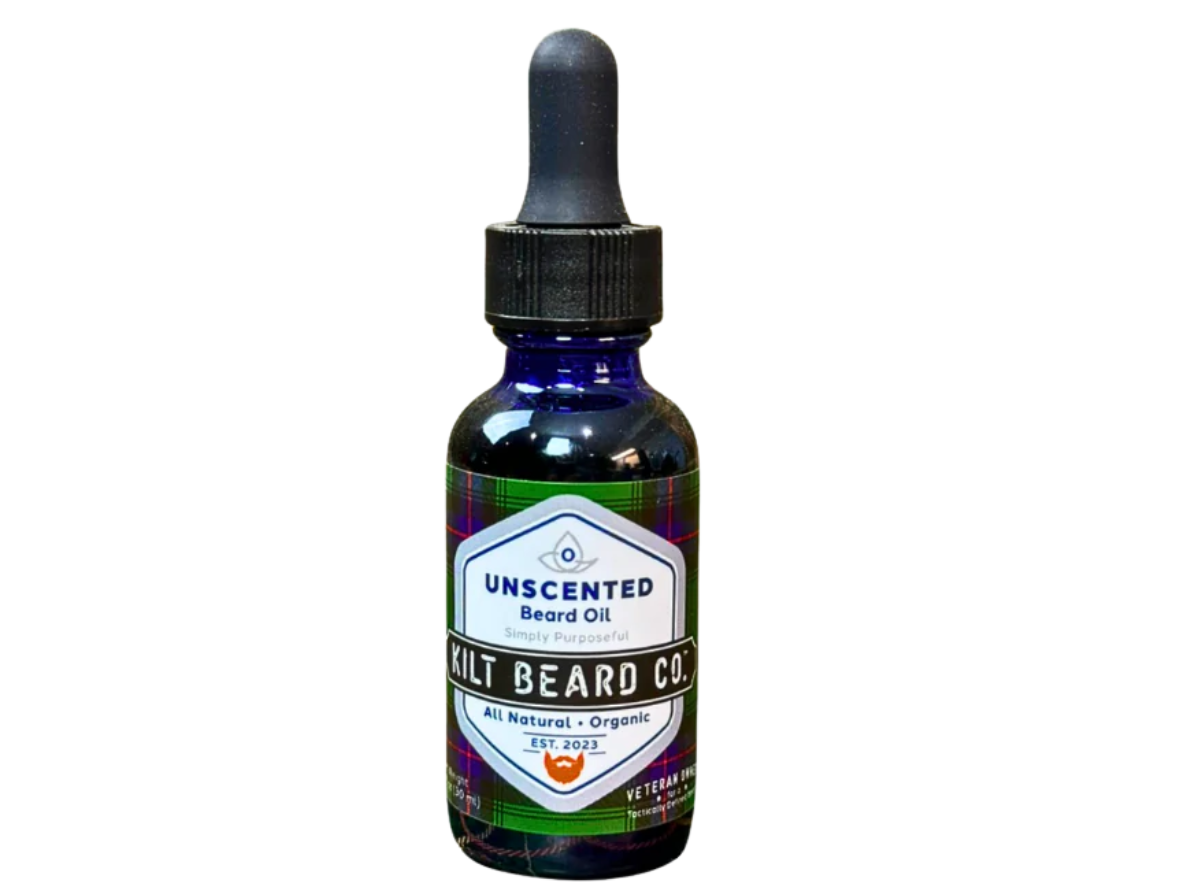
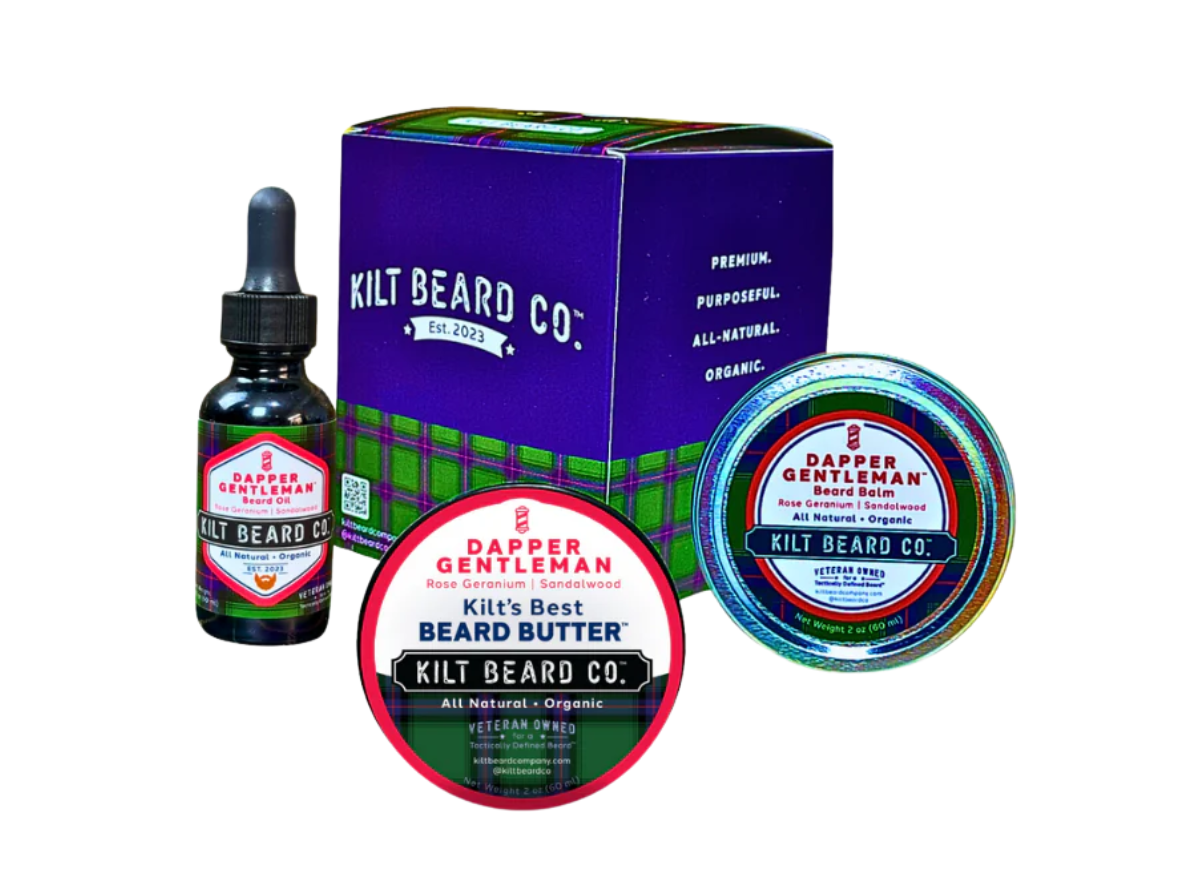
Beard Oil: Often considered the most foundational product, beard oil is primarily designed to nourish the skin underneath and provide the initial layer of hydration to the hair shaft. It is typically a blend of carrier oils like jojoba or argan, which closely mimic the natural sebum produced by your body, ensuring the skin remains soft and the hair starts its day with a healthy-looking glow. Oil is the most efficient way to reach the skin through a dense forest of hair, providing immediate relief from the sensation of dryness.
-
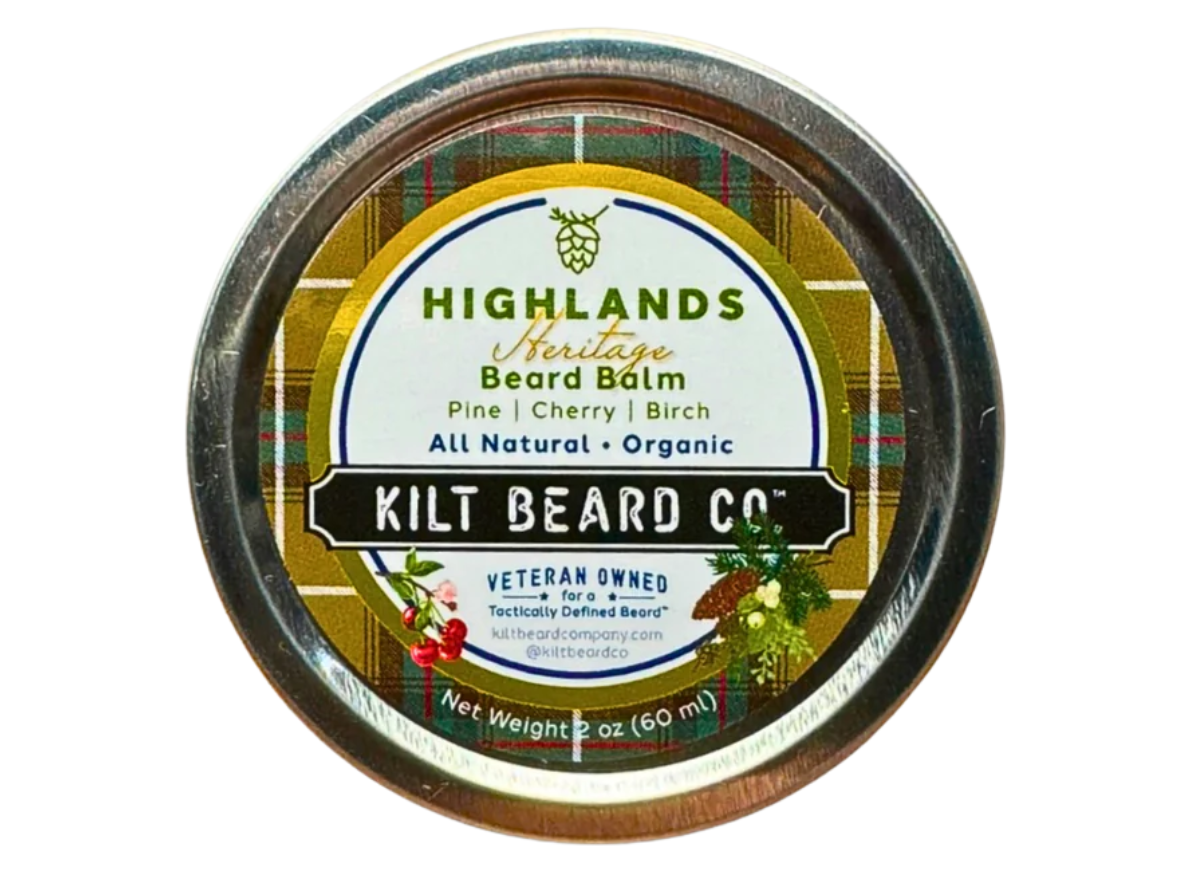
Beard Balm: Combining the hydrating properties of oil with a small amount of beeswax or shea butter, balm provides light styling hold while acting as a physical sealant. It is excellent for taming flyaways and providing a protective layer that lasts longer than oil alone, making it a favorite for men with medium-length beards. The balm stays on the surface of the hair longer, providing a consistent barrier against wind and environmental friction throughout the day.
-
Beard Serum: This is a more concentrated, high-performance liquid that often focuses on the "slip" and structural integrity of the hair. Serums are typically used to address specific issues like severe tangling or a dull appearance, providing a silky finish that makes combing through a long beard an effortless process. They are often botanical-based and non-greasy, making them ideal for layering under heavier products like butters or waxes.
-
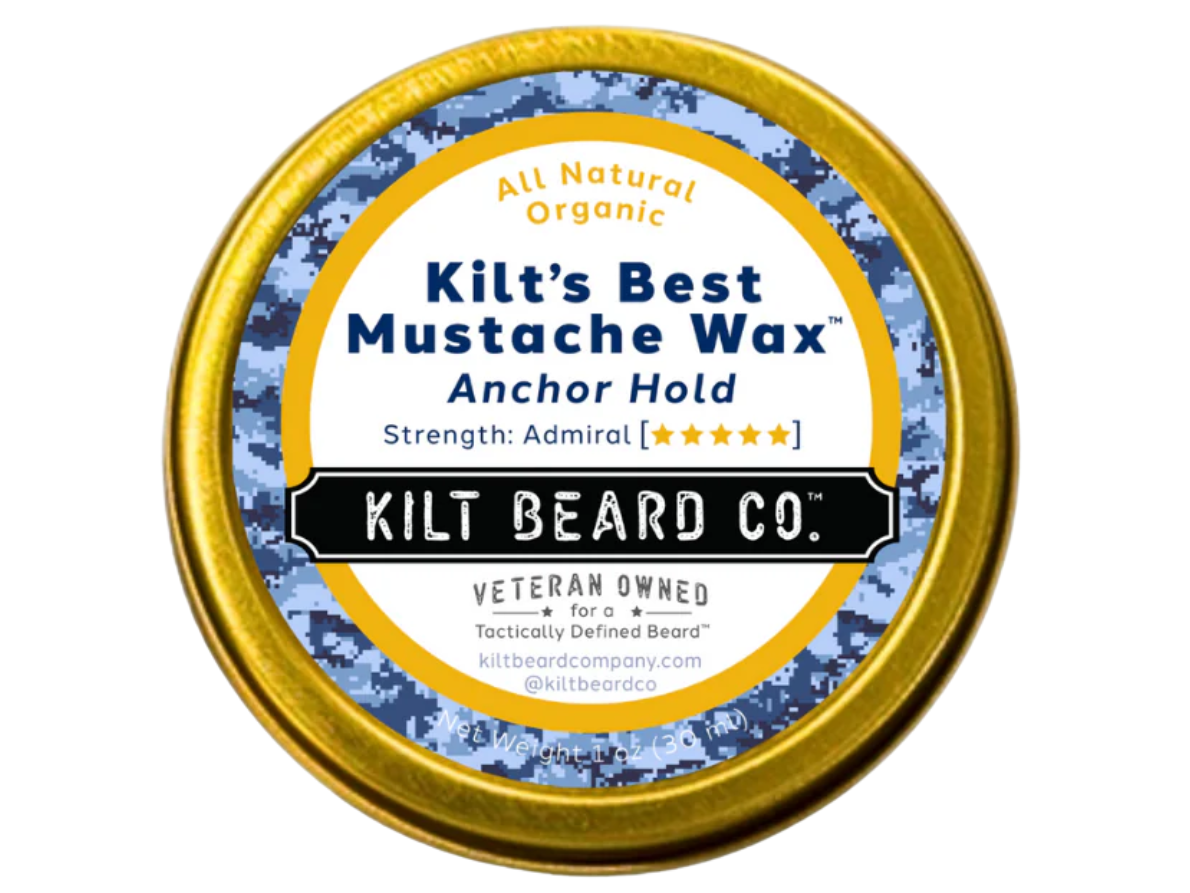
Beard/Mustache Wax: For men who require serious structural control, wax provides a firm hold that can sculpt even the most rebellious whiskers into place. It is particularly useful for the mustache, ensuring that the hair stays away from the mouth while providing a high-density barrier against moisture and heat. Waxes are the "heavy artillery" of the grooming world, used sparingly to define the silhouette of the beard.
-
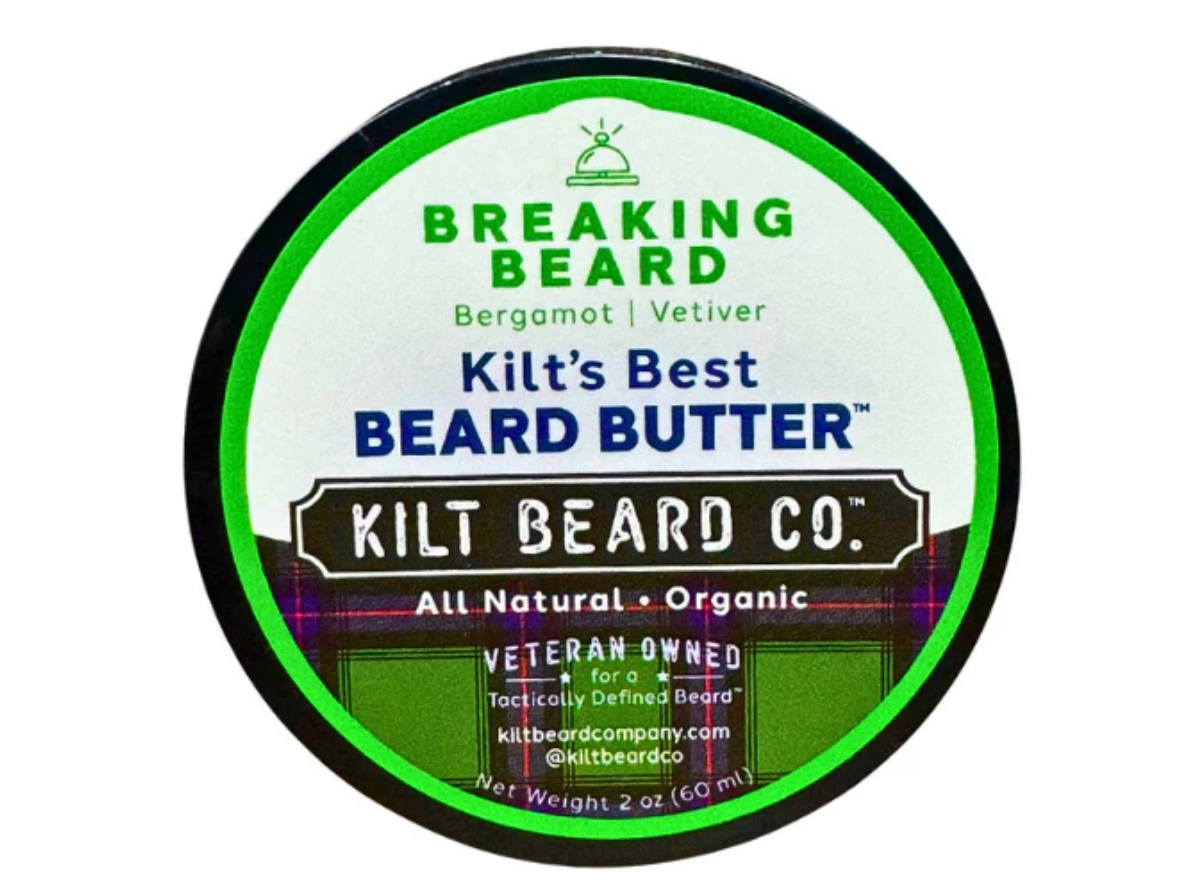
Beard Butter: Often utilized as a nighttime treatment or a deep conditioner, butter has a higher concentration of fats and a lower concentration of wax compared to balm. This results in a product that deeply softens the hair over several hours, making it an essential tool for those battling chronic coarseness. It provides a "matte" finish and incredible softness, making the beard feel remarkably lush to the touch.
-
Beard Wash & Conditioner: These are specifically formulated to cleanse the hair without the harsh detergents found in standard shampoos. A dedicated wash removes debris while preserving the essential oils of the beard, while the conditioner works to seal the hair cuticle immediately after cleaning. Using these in tandem ensures that your cleansing routine doesn't accidentally dismantle the very barrier you are trying to protect.
-
Beard Soap: Often coming in a solid bar form, beard soaps are crafted with high concentrations of glycerin and natural oils. They provide a rich, creamy lather that lifts dirt away from the skin and hair while leaving a thin, protective film behind. They are a rugged and effective way to maintain cleanliness while supporting a healthier-looking beard environment.
-
Beard Spray: Also known as a refreshing spray or grooming tonic, these light mists are used to reintroduce moisture throughout the day. They are perfect for a quick "pick-me-up" during a long flight or after a workout, providing a burst of hydration that prevents the barrier from becoming parched. Some sprays also contain light sea salt or minerals to provide a bit of natural-looking texture and volume.
-
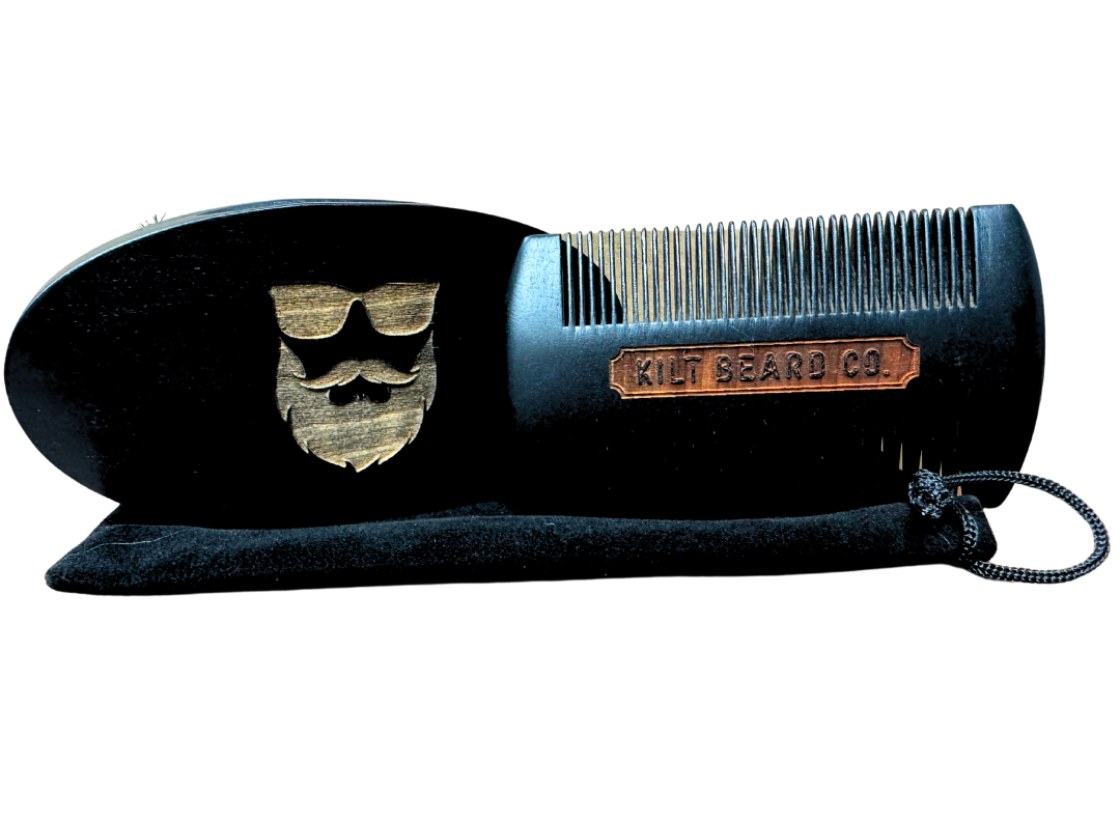
Beard Combs: A high-quality comb made of wood, horn, or saw-cut cellulose acetate is vital for detangling without causing static or breakage. These tools are designed to glide through the hair, redistributing the oils from the skin to the tips while ensuring the cuticles remain flat and aligned. A good comb is an investment in the long-term structural health of your facial hair, preventing the snags that can lead to permanent damage.
-
Beard Brushes: Typically made with boar hair, these brushes are the ultimate tool for distributing product and exfoliating the skin underneath. The stiff bristles can penetrate even the thickest manes, ensuring that your oils and balms reach every single whisker while training the hair to grow in a uniform direction. Brushing also helps to lift away dead skin cells, ensuring that the barrier remains clean and free of the debris that can lead to flakiness.
How to Perform Proper Beard Barrier Care
Carrying out a high-level barrier care routine requires a blend of consistency and the right selection of products to match your specific beard profile. You aren't just applying liquids to your face; you are performing a strategic maintenance cycle that respects the natural biology of your whiskers. By focusing on both the daily stresses of the daylight hours and the restorative window of the night, you can ensure that your beard remains in a constant state of peak health. This systematic approach allows you to stay ahead of the curve, preventing damage before it starts rather than trying to fix a brittle mess after the fact.
Performing Daily Beard Barrier Care
The morning routine is your opportunity to set the defensive perimeter that will protect your face from the sun, wind, and urban pollutants you encounter throughout the day. Depending on whether you sport a close-cropped trim or a chest-length mane, your needs for hydration and hold will vary, but the core objective remains the same: seal the hair and support the skin, and here’s how you go about doing so:
-
Initiate the Purge with a High-Quality Beard Soap or Wash: Your morning begins by removing the biological debris and old product from the previous night using a dedicated beard wash or a moisturizing beard soap. This step is critical because standard facial cleansers often contain aggressive detergents that can dismantle your natural barrier in a single go. By using a product designed for the unique pH of your facial skin, you lift away dust and grit while securing the essential lipids your whiskers need to remain pliable. For men with a high-density thicket of hair, focus the lather at the base of the chin to verify the skin foundation is completely refreshed and ready for new hydration.
-
Reinforce the Fiber with a Specialized Conditioner: Once the hair is clean, you must immediately address the open cuticles by applying a dedicated beard conditioner to the entire length of the mane. This restorative layer fills in the microscopic gaps along the hair shaft, providing the necessary "slip" that prevents snags during the subsequent grooming stages. Leave the product in for at least two minutes to allow the botanical extracts to penetrate deeply, which is a vital move for those with coarse or kinky textures that naturally struggle to retain moisture. Rinsing with cool water afterward helps to snap the cuticles shut, locking in the initial surge of hydration and preparing the fiber for the precision work ahead.
-
Conduct a Gentle Towel-Dry and Orientation: Rather than roughly scrubbing your face, use a soft towel to pat the beard until it is damp but no longer dripping. This is the moment where you use your fingers or a wide-toothed comb to orient the hair into its natural downward flow, revealing the actual shape of your growth without the distortion of water weight. For those with significant length, this phase is crucial for identifying where the beard might be "shelving" or bunching up due to uneven thickness. By getting the hair to sit in its neutral state now, you set the stage for accurate, precise work.
-
Do Silhouette Refinement with Grooming Scissors: This is the ideal window for precision maintenance; the hair is clean, soft, and oriented, but not yet weighed down by heavy waxes or oils. Use your grooming scissors to snip away any lone "rebel" hairs or split ends that disrupt the clean edges of your beard’s silhouette. By trimming now, you avoid gunking up your blades with balm and you can clearly see which hairs are truly out of place versus those just temporarily misplaced by product. This small bit of architectural upkeep prevents the beard from looking like an accidental thicket and reinforces the sharp, intentional shape of your jawline.
-
Inject Foundation Hydration with a Nutrient-Rich Oil: With the shape refined, apply a few drops of beard oil primarily to the skin and the roots of the hair. This moves the lipids exactly where they are needed most—the skin-hair interface—to verify that the foundation of your beard remains calm and hydrated. For men with larger beards, this foundation oil is the primary defense against the dry, itchy sensation that often leads to "beard-druff" later in the day. Massage it in thoroughly with your fingertips to stimulate blood flow and provide a healthy-looking glow that radiates from the base of the mane to the surface.
-
Distribute and Detangle Using a High-Quality Comb: Use a saw-cut wooden, carbon fiber, or steel-toothed comb to work the oil through the mid-lengths and ends of your whiskers. A high-quality tool made from these materials prevents the static and snagging associated with cheap plastic versions, allowing you to glide through the hair without fracturing the delicate cuticles. This redistribution is what creates a uniform barrier, making certain that the older, more vulnerable tips of your beard receive the same level of protection as the fresh growth near the skin. For men with thick or curly textures, this step is non-negotiable for maintaining a cohesive and manageable structure throughout the day, and choosing a material like carbon fiber or steel can provide extra durability and heat resistance if you are using styling tools.
-
Seal the Perimeter with a Protective Barrier Balm: Layer a small amount of beard balm over the oil to act as a physical sealant against the external environment. The beeswax and butter components in the balm provide a "matte" or low-shine finish while offering the necessary hold to keep your specific shape locked in. This secondary shield is especially important for men with unruly flyaways or those whose beard size tends to "wing out" at the sides when the air is dry. By sealing the hair now, you prevent the internal moisture from being wicked away by the wind or harsh indoor air conditioning.
-
Finalize Alignment with a Boar Hair Brush: Pass a firm boar hair brush over the surface of your beard to sweep everything into its final, polished position. The stiff bristles serve a dual purpose: they distribute the balm perfectly across every fiber and provide a final exfoliation for the skin underneath. This mechanical action closes any remaining gaps in the cuticle, providing a healthy-looking luster and a smooth feel that lasts. For those with a shorter, professional trim, this brush-work is what gives the beard its crisp, geometric definition and keeps the hair laying flat against the face.
-
Execute Mid-Day Barrier Re-Hydration: Depending on your work environment, your beard’s barrier will face diverse levels of attrition. If you work an outdoor job exposed to relentless sun and wind, the protective balm can evaporate or be stripped away, leaving the hair brittle; in this case, a quick mid-day application of a light grooming spray or a tiny amount of oil is a mandatory save. Even for those in a climate-controlled office, the lack of humidity can sap the life out of your whiskers, making a quick "top-off" of hydration a smart move to maintain that soft, resilient texture until you head home.
-
Maintain a Protective Hands-Off Discipline: The final step in daily barrier care is simply leaving the beard alone to do its job. Constantly stroking, pulling, or "fiddling" with your whiskers introduces dirt and oils from your hands that can disrupt the delicate balance of the products you’ve applied. Mechanical stress from nervous habits can actually cause "cracks" in the barrier you’ve constructed, leading to localized areas of frizz or breakage. By maintaining a disciplined, hands-off approach, you secure the integrity of your styling and verify that your beard remains a formidable, healthy-looking asset all day long.
Performing Nightly Beard Barrier Care
The nighttime hours represent the most critical period for beard recovery, as your body is in a natural state of repair and the hair is not subject to the harshness of the sun or wind. This is the window where you can provide deep, restorative hydration that would be too heavy or greasy for the daytime, and here’s how you can go about doing so:
-
Perform a Deep, Restorative Cleanse: Use a gentle beard soap to thoroughly remove the day's accumulation of pollutants and environmental grit. This ensures that the specialized nighttime products you are about to use can actually reach the hair and skin without being blocked by a layer of "gunk". A clean beard is a porous beard, ready to soak up the maximum amount of nutrients.
-
Layer the Recovery Serum for Maximum Slip: While the beard is still damp, apply our Night Watch Beard Recovery Serum from the roots to the tips. This scentless, natural botanical formula creates a silky slip layer that provides a high-performance foundation for the heavier butter to follow. Because it is non-greasy and has a light feel, it begins to soften the hair immediately without making your face feel weighed down.
-
Apply the Barrier Butter for Overnight Softening: Immediately after the serum, massage a generous amount of our Night Watch Barrier Butter into the mane. This high-butter base acts as a moisture lock, providing the long wear needed while you are sleeping to ensure your whiskers are remarkably soft by the time you wake up. This combination results in less breakage and a much healthier-looking beard environment that can withstand the friction of your pillow.
-
Use a Wide-Toothed Comb for Full Distribution: Ensure the serum and butter are perfectly integrated by combing through the beard one final time. This prevents any concentrated pockets of product and ensures that the long-wear butter is coating every single hair cuticle. This step also helps the beard to lay flat, which minimizes the "bed-beard" creases that often form overnight.
-
Address the Skin Foundation specifically: Take an extra moment to use your fingertips to work the nighttime products into the skin underneath the beard. This targeted hydration prevents the skin from becoming parched during the long hours of sleep, ensuring you wake up without any itchiness. A supported skin foundation is the secret to a beard that grows in thick and strong.
-
Switch to a Satin or Silk Pillowcase: The physical environment of your bed is just as important as the products you use, so ensure your pillowcase is made of a friction-free material. Traditional cotton acts like a wick, pulling the expensive oils and butters out of your beard and into the fabric, leaving your face dry. A smoother surface allows the hair to glide effortlessly, significantly reducing the mechanical stress that causes morning tangles.
-
Consider a Beard Guard or Wrap for Length: If you have a beard of significant length, a soft silk wrap or beard guard can keep the hair contained and protected. This prevents the hair from spreading out and losing its protective layer of butter against the bedding. Keeping the hair bundled together also helps to maintain a consistent temperature and moisture level throughout the night.
-
Ensure Proper Air Quality in the Bedroom: If the air in your room is particularly dry, consider using a humidifier to add moisture back into the environment. This reduces the rate of evaporation from your beard's barrier, allowing the Night Watch products to work even more effectively. Environmental control is a powerful ally in the battle for a softer, more resilient mane.
Your Strategic Beard Barrier Care Layering Blueprint
The following table serves as a definitive guide for customizing your approach to barrier maintenance. It recognizes that a man with a coarse, kinky-textured mane requires a vastly different layering logic than someone sporting a straight-haired, close-trimmed corporate look. Use this to calibrate your morning and nightly rituals based on the current state of your facial architecture.
|
Beard Category |
Dimension & Volume (Size/Length) |
Structural Profile (Shape/Thickness) |
Fiber Character (Texture) |
The Layering Protocol (Day & Night) |
|---|---|---|---|---|
|
The Shadow / Heavy Stubble |
Length: 1mm – 5mm Size: Minimal bulk; mostly skin-level. |
Shape: Follows natural bone structure. Thickness: Ranges from sparse to a "carpet" density. |
Texture: Usually prickly and stiff as the hair emerges; can feel abrasive. |
Day: 2-3 drops of light carrier oil to soften the tips. Night: A thin layer of Night Watch Recovery Serum to hydrate the skin foundation. |
|
The Professional / Close-Trimmed |
Length: 0.5" – 1.5" Size: Controlled; adds visible jawline definition. |
Shape: Tapered at the cheeks; crisp lines. Thickness: Medium density; skin is partially obscured. |
Texture: Typically, wavy or straight; prone to "bed-beard" creases. |
Day: Hydrating Oil followed by a pea-sized amount of Light Balm for direction. Night: Recovery Serum + a light coating of Night Watch Barrier Butter. |
|
The Full / Classic Mane |
Length: 2" – 5" Size: Significant bulk; provides a full-face silhouette. |
Shape: Boxed, Round, or Pointed. Thickness: High density; the skin is fully shielded. |
Texture: Coarse or Curly; prone to "shelving" and internal tangles. |
Day: Heavy-duty Oil + Mid-weight Balm to seal the outer layers. Night: Full application of Recovery Serum + a generous layer of Barrier Butter. |
|
The Woodsman / Long Beard |
Length: 6"+ Size: Maximum volume; hangs below the neckline. |
Shape: Natural or Spade-shaped. Thickness: Can thin at the ends due to mechanical wear. |
Texture: Highly varied; Kinky or Coarse. Most prone to split ends and dryness. |
Day: Recovery Serum (for slip) + Oil + Heavy Balm for structural weight. Night: Serum + Heavy Barrier Butter focused on the oldest, bottom 4 inches. |
How Do You Know the Beard Barrier is Actually Holding Up?
Identifying the success of your barrier care routine is a matter of paying attention to the tactile and visual signals your facial hair provides. A healthy-looking barrier doesn't just happen; it is the visible result of consistent effort and the correct choice of formulations. When your defensive layers are intact, the grooming process becomes a joy rather than a chore, and the beard itself takes on a quality that is impossible to ignore. The following indicators are the clear signs that your barrier care strategy is working at its peak efficiency:
-
Consistent Softness from Root to Tip: One of the most obvious signs of a successful routine is a uniform texture that feels lush and pliable throughout the entire mane. If your beard no longer has "crunchy" spots or areas that feel like steel wool, it means your barrier is effectively locking in moisture and distributing lipids evenly. This softness should be present even in the morning before you've applied your daily products, indicating that the hair has retained its elasticity through the drying hours of the night.
-
A Natural-Looking, Vibrant Shine: A healthy beard reflects light with a deep, rich luster rather than looking dull or greyish. This shine is a direct result of a smooth hair cuticle that has been properly sealed by your oils and balms, creating a mirror-like surface on each individual whisker. If your beard looks vibrant even in harsh lighting, your barrier is providing the protection it needs to maintain its visual appeal and structural vitality.
-
Significant Reduction in Morning Tangles: When the hair is well-lubricated and the barrier is strong, the individual fibers slide past each other during sleep rather than hooking together. If you find that your morning comb-through is effortless and requires no pulling, it is a sign that your mechanical friction is being managed perfectly. This lack of tangling also leads to much less breakage over time, supporting better length retention and a thicker-looking silhouette.
-
Absence of Skin Irritation or Flakiness: A supported barrier means the skin underneath is calm, hydrated, and free of the debris that leads to "beard-druff." If you can go through your day without the urge to scratch your jawline or noticing white flakes on your shirt, your foundation is in excellent condition. This skin health is the ultimate proof that your barrier care is addressing the root of the beard's needs and maintaining a balanced environment.
-
The Beard Maintains Its Shape Longer: A hydrated whisker has the "weight" and flexibility to stay where you put it, resisting the urge to puff out or curl up in response to humidity. If your styling holds up from your morning coffee until your evening commute, it means your balm and butter are providing the structural seal needed to deflect environmental stressors. A beard that holds its shape is a beard that is truly protected and structurally sound.
-
Minimal "Flyaways" and Frizz During Climate Shifts: When you move from a cold outdoor environment into a warm, heated room, a compromised barrier usually causes the hair to react with immediate frizz as moisture leaves the shaft. If your beard remains calm and the silhouette stays tight despite these temperature fluctuations, your barrier is acting as a successful insulator. This stability proves that the external products you are using are filling the gaps in the natural cuticle layer effectively.
-
Improved Resistance to Snap and Breakage: Notice that when you do find a shed hair, it's a full-length strand with a root bulb rather than a short, jagged piece that has snapped mid-shaft. High barrier integrity means the hair is elastic enough to bend and flex under pressure rather than shattering like a dry twig. This resilience is the strongest indicator that your deep-conditioning and sealing rituals are successfully reinforcing the internal architecture of every whisker.
The Ultimate Standard in Facial Architecture
Cultivating a world-class beard is a marathon of discipline that requires a deep respect for the biological defenses of your face. By prioritizing barrier care as the central focus of your grooming journey, you are moving beyond the superficial and investing in the long-term structural integrity of your whiskers. The shift from a coarse, unruly mane to a soft and resilient signature look is the direct result of choosing to nurture rather than just style. Every application of a recovery serum or a protective butter is a brick in the wall that defends your appearance against the harshness of the modern world. This level of dedication doesn't just change how you look in the mirror; it changes the confidence with which you move through every room you enter. A well-maintained beard is the ultimate masculine calling card, a physical manifestation of the care and attention to detail you apply to every facet of your life.
Now, go embrace the ritual fellas, trust the process, and let your healthy-looking mane serve as a constant reminder that quality is a choice made every single day. Besides, the results speak for themselves, echoing through the softness of the hair and the vibrancy of the finish that only true barrier care can provide.