
When you’re dialing in your pack weight for a multi-day trek or prepping for a brutal day working out in the elements, every ounce of gear has to earn its spot. You aren't just grooming; you're protecting your face from windburn, sweat, and relentless insects. Traditional bug sprays smell terrible, taste worse if they blow into your mouth, and ruin the vibe outdoors. Out in the thick brush or up on a steep ridge line, your facial hair turns into a giant sponge for whatever airborne pests or harsh elements the wild throws your way. Learning the raw workings of how these outdoor pests target your jawline is the first step to building a reliable, chemical-free boundary around your face.
The Science of Backcountry Pests
Stepping out into the wilderness means sharing the open air with billions of native pests that are constantly looking for their next target. Whether you’re clearing heavy timber on a job site, setting up a backcountry campsite, or hiking a high ridge, these pests track you through your movement and body heat. They lock onto your scent from a distance and will aggressively swarm any exposed skin or thick hair they can find. To build a reliable line of protection that actually lasts, we need to look at exactly what we’re up against, fellas, when leaving the pavement behind.
Types of Bugs and Flying Insects That Become Quite a Nuisance
While people often use the terms interchangeably, there’s a key rule to remember before heading outdoors: all bugs are insects, but not all insects are bugs. Insects form a massive, broad scientific category of six-legged creatures with three-part bodies, including familiar wildlife like ants, bees, and butterflies. Bugs, on the other hand, are a very specific, technical subset of insects belonging to the biological order Hemiptera. These true bugs feature specialized, straw-like, piercing mouthparts designed to extract plant and animal juices, and they grow through an incomplete metamorphosis rather than a full structural transformation.
When you’re spending long hours working or traveling through the brush across the USA, you will cross paths with several distinct species that can turn a good day miserable. These native pests thrive in thick woods, tall grass, and stagnant water sources, actively hunting for a blood meal or aggressively defending their territory:
-
Mosquitoes: These flying pests breed rapidly in stagnant water and use highly sensitive receptors to track the carbon dioxide plumes and warmth rising off your body, delivering itchy bites that can ruin your focus.
-
Wood Ticks: Crawling pests that wait patiently on the tips of tall weeds and low-hanging brush, hitching a ride onto your boots, socks, or facial hair as you walk past before searching for a spot to bite.
-
Black Flies and Gnats: Aggressive flying swarms that populate moving streams and damp lowlands, relentlessly buzzing around your head and biting any exposed flesh they can reach.
-
Chiggers: Microscopic soil pests found in damp dirt and tall vegetation that latch onto your lower limbs, causing intense, long-lasting irritation that can distract you from your labor or hike.
-
Horse Flies and Deer Flies: Large, persistent flyers that use sharp, blade-like mouthparts to cut into your skin for blood, tracking large targets by movement and heat, and refusing to leave you alone until swatted down.
-
No-See-Ums (Biting Midges): Microscopic flying gnats that gather in massive, invisible clouds near wetlands and damp woods, inflicting a sharp, burning bite that feels much larger than the insect itself.
-
Deer Ticks: Exceptionally tiny arachnids found on the timber floor and dead leaves that latch onto passing hosts silently, hiding beneath your hair or clothing where they are tough to spot during a routine check.
-
Lone Star Ticks: A highly aggressive crawling species recognizable by the white dot on its back, known for resting in low brush and locking onto workers or hikers who wander off the main trail.
-
Fire Ants: Soil-nesting insects that build large mound nests in open dirt, attacking in swarms if you step near their territory and delivering painful, venomous stings that turn into burning welts.
-
Bees: Mostly beneficial pollinators that mind their own business, but they can become a real hazard if you accidentally disturb an active hive while cutting back thick briars or clearing a campsite.
-
Hornets: Large, highly defensive flyers that build paper nests high in the trees or inside hollow logs, attacking fiercely with deep, painful stings if you happen to disturb their territory during outdoor labor.
-
Yellowjackets: Aggressive social wasps that frequently nest below the surface of the soil or inside rotting logs, easily provoked by the vibrations of heavy footsteps or outdoor tools, resulting in painful, repetitive stings.
The Good and The Bad of Using Bug Repellents
A bug repellent is a substance engineered specifically to discourage insects and pests from landing on or biting your skin, acting as an invisible barrier to mask your presence. These formulas are typically packaged as liquid sprays, pressurized aerosols, or roll-on lotions designed for rapid, widespread application over your clothing and body before you step into infested areas. Instead of killing the pests outright, these mixtures work by temporarily confusing or blocking the chemical receptors that insects rely on to track human targets.
While these products are highly effective at keeping pests away during heavy outdoor exposure, the commercial market relies on a handful of aggressive synthetic compounds to get the job done. Before spraying down your clothes or skin, you should know exactly what these chemical ingredients are:
-
DEET (N, N-Diethyl-meta-toluamide): The most common synthetic chemical used in commercial sprays, known for its ability to blind an insect's sense of smell but highly notorious for its greasy feel and harsh chemical odor.
-
Picaridin: A synthetic compound modeled after a natural pepper plant extract that provides long-lasting protection against flies and mosquitoes without the greasy texture or plastic-melting properties of older chemicals.
-
Permethrin: A heavy-duty synthetic insecticide applied strictly to outdoor clothing, boots, and tents rather than bare skin, designed to kill ticks and crawling pests upon direct contact.
-
IR3535: A man-made biochemical repellent that mimics natural amino acids to deter flying pests, offering a milder alternative that is less toxic to the surrounding environment.
-
PMD (Para-menthane-3,8-diol): The isolated, manufactured chemical compound responsible for the protective properties of lemon eucalyptus, often used in heavy concentrations for synthetic defense lotions.
-
2-Undecanone: A synthetic organic compound modeled after a chemical found in tomato plants, used in heavy-duty sprays to keep ticks and mosquitoes from latching onto outdoor gear.
-
Allethrin: A synthetic pyrethroid chemical frequently used in wearable repellent devices and coils, designed to vaporize in the heat and create a localized clear zone in the air.
-
Metofluthrin: A highly volatile chemical agent used in spatial repellent fans and camp sprays that rapidly disperses through the air to disrupt flying insects before they can land on your face.
Slathering on these synthetic formulations can often lead to significant skin issues, especially if applying too much while working hard or hiking in hot weather. When your body heat spikes and your pores open up to release sweat, heavy chemical layers can trap that moisture, clogging your pores and causing painful rashes or chemical burns. For many guys, overusing these industrial sprays causes the skin under their hair or on their neck to break out in severe irritation, redness, and flaky dry patches. This aggressive chemical exposure strips away the natural moisture barriers your body uses for defense, leaving your skin raw and burning after a long day in the open air.
The Shared Line of Outdoor Defense
Instead of loading down your facial hair with synthetic chemical formulas, we focused on the natural defensive assets found in wild plant extractions. Every tree and herb in the backcountry has evolved its own specialized aromatic compounds to fight off invading pests and survive the elements.
Kilt Beard Co., has selected four of the hardest-hitting botanical extracts to establish a clean, natural perimeter directly around your chin. By combining pure Lemongrass, Cedarwood, Eucalyptus, and Citronella essential oils, we formed a unified aromatic barrier that both our liquid oil and solid balm share. This heavy-hitting blend targets the sensory receptors of wood pests on a molecular level, forcing swarms to steer clear of your face without making you smell like an industrial processing plant.
The Insect-Blocking Science of Lemongrass
Lemongrass serves as our frontline defense against aggressive flying pests like mosquitoes, gnats, and blackflies. This thick, tropical grass contains incredibly high concentrations of two powerful organic compounds: citral and geraniol. On a molecular level, these active components release a sharp, heavy vapor that creates a localized no-fly zone right beneath your nose. When a flying insect enters this aromatic perimeter, the concentrated citral molecules completely overload its highly sensitive olfactory sensors. This massive sensory disruption blocks the bug's ability to lock onto the natural moisture trails and heat signatures rising off your skin, forcing the pest to turn away before it can land or bite.
Beyond its heavy pest-blocking capabilities, this botanical extract brings significant functional value to your daily grooming routine. The natural elements inside lemongrass help cut through the heavy buildup of trail grease and sweat that accumulates during long hours of outdoor labor. It helps clarify the hair shafts and tones the skin underneath your jawline, minimizing the oily buildup that can lead to clogged pores and breakouts. The crisp, clean citrus note cuts through the heavy atmosphere of a humid swamp or a dusty job site, providing an immediate burst of field-ready freshness that makes your beard feel clean and light even when you are working hard in the heat.
The Timber-Strength Shield of Cedarwood
While lemongrass handles the airborne swarms, cedarwood essential oil anchors our defensive blend with a deep, earthy layer of protection designed to ward off crawling pests. Derived from the hardy wood of the cedar tree, this rich oil is loaded with natural sesquiterpenes, primarily a compound called cedrol. In the wild, cedar trees generate this specific chemical asset to protect their internal fibers from boring insects, wood ticks, and fungal rot. When we work this thick extract into our formulas, it establishes a durable base layer across your whiskers that repels ground-dwelling pests like deer ticks, lone star ticks, and chiggers as you push through low-lying brush or tall mountain grass.
The heavy presence of cedarwood also provides exceptional structural support for coarse, weather-beaten facial hair. This dense oil coats every individual strand, delivering deep conditioning benefits that soften up stiff, wire-like whiskers and prevent them from snapping under environmental stress. It acts as a soothing skin balm, reducing the deep, nagging itch that often flares up when your beard is exposed to dry mountain winds or intense sun. The deep timber aroma forms the thick foundation of our fragrance profile, giving your face a rich, authentic woodsmoke and pine character that blends right into the outdoor environment instead of fighting against it.
The Vapor Barrier of Eucalyptus
Eucalyptus essential oil introduces a sharp, cooling vapor to our shared defensive matrix, maximizing our performance in high-humidity zones. The dominant active ingredient in this oil is eucalyptol, a highly volatile organic compound that vaporizes rapidly when exposed to your natural body heat. As you sweat during a strenuous hike or a heavy lifting session, your rising skin temperature causes the eucalyptol to release a steady cloud of crisp, cooling air around your jaw. This vapor cloud is incredibly effective at disrupting the carbon dioxide tracking mechanisms that mosquitoes and biting midges use to hunt human targets from a distance.
This rapid vaporization provides an immediate physical sensation of relief on hot, sun-baked skin. Eucalyptus naturally cools down raw, inflamed tissue, making it a vital asset for treating the early stages of trail windburn or collar chafing. It cuts through the dense, heavy feeling of a thick beard on a midsummer day, opening up your senses and helping you breathe easier when you are pushing through a tough section of trail. By keeping the air around your chin crisp and moving, it discourages small gnats from swarming your mouth and eyes while you are trying to stay focused on your outdoor tasks.
The Classic Deflection of Citronella
To complete our shared line of defense, we integrated pure citronella essential oil to provide an extra layer of broad-spectrum pest rejection. Citronella is famous for its historical use in outdoor survival gear, and it owes its reputation to two core chemical components: citronellal and citronellol. These active botanical elements function as a highly efficient mask for the specific amino acid and lactic acid scents that humans naturally secrete through their sweat glands. By laying down a clean layer of citronella over your jawline, you effectively pull a shroud of invisibility over the primary chemical markers that wood pests use to select a target.
Using pure, unrefined citronella oil directly from the plant allows us to deliver this classic protection without any of the sticky, synthetic additives found in commercial camp candles or cheap store-bought sprays. It works in perfect harmony with the lemongrass and cedarwood, blending its sharp, green herbal notes into the citrus and timber base. This compound sticks to the hair cuticles longer than lighter citrus oils, ensuring that your no-fly zone remains active and stable through hours of heavy trail exposure, high winds, and hard physical exertion.
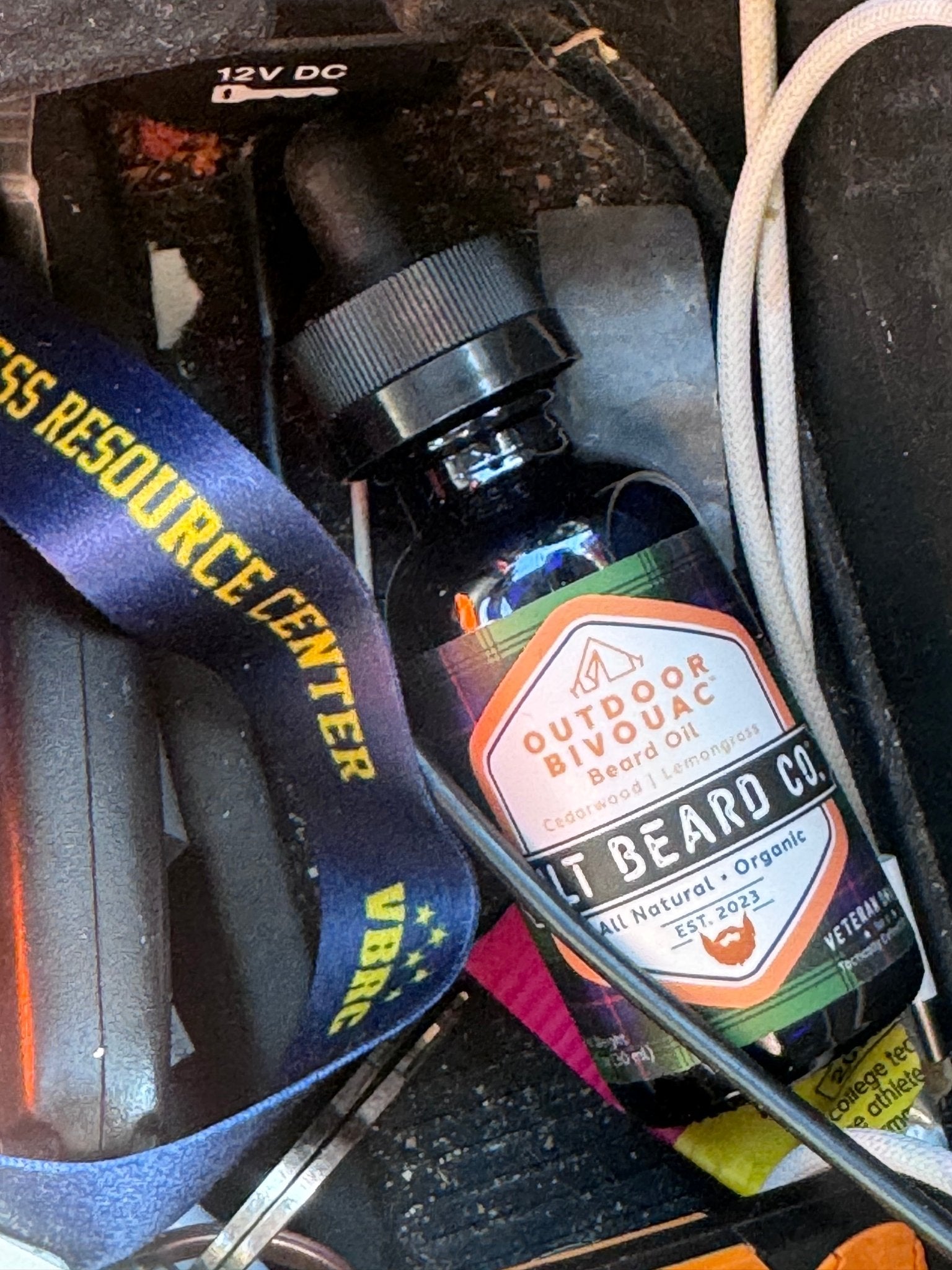
Using Kilt Beard Co.’s Outdoor Bivouac Beard Oil and Outdoor Bivouac Beard Balm!
As you can see, spending your day completely exposed to the open air and bugs catches up to your face quickly. Again, be it out on a job site, mapping out a mountain trail, or living out of a canvas tent for the weekend, the environment constantly robs your skin of its natural moisture. When that happens, the skin beneath your scruff tightens up, flakes, and starts to itch like crazy. You cannot easily rub thick lotions through a dense beard. That’s why we’ve crafted our Outdoor Bivouac Beard Oil and Outdoor Bivouac Beard Balm.
The Liquid Shield: Outdoor Bivouac Beard Oil
Outdoor Bivouac Beard Oil is a lightweight oil that drops directly through the thickest hair to deliver fast bliss right to your skin, calming raw areas and softening up stiff, wire-like growth before the elements can ruin your day. Built for grit with a refined finish. Basically, our Bivouac Beard Oil sinks in fast, softens stubborn growth, and steadies the skin beneath—so your beard stays disciplined and comfortable on the trail, at camp, or through the workday. Bright, field-ready freshness with clean cedar depth.
Breaking Down the Seven Cold-Pressed Oils in Our Base
We made this fluid shield by combining seven raw plant oils that directly target skin dryness and hair breakage. Each ingredient brings a specific practical benefit to your face when you are facing a long day of outdoor exposure:
-
Organic Argan Oil: This light fluid coats the rough outer surface of your whiskers, restoring immediate flexibility so your hair doesn't feel like stiff straw. It helps tame wild flyaways without weighing down your beard or leaving a greasy residue behind. This allows you to go about your work day or hike without your beard constantly blowing into your mouth.
-
Virgin Organic Baobab Oil: Harvested from trees built to survive severe droughts, this oil delivers heavy nutrients that shield your skin cells from intense sun and biting winds. It builds a dependable defense layer that locks in moisture when you are sweating through a hard shift outdoors. This helps prevent your face from drying out and flaking after hours of direct exposure to the elements.
-
Organic Golden Jojoba Oil: This oil matches the exact structure of the natural moisture your face creates, keeping your pores hydrated without overproducing grease. Because it sinks in so naturally, it stops the skin beneath your chin from becoming dry and tight. It provides a solid baseline of comfort that lasts from your morning coffee until you wrap up camp for the night.
-
Extra Virgin Organic Pumpkin Seed Oil: Rich in natural proteins that reinforce individual hair strands, preventing your whiskers from snapping when rubbing against stiff collars or heavy equipment straps. It delivers vital nutrients straight to the hair shaft to encourage strong, healthy growth over time. This means fewer split ends and a much fuller look, even if you put your scruff through absolute hell every single day.
-
Virgin Organic Tamanu Oil: A dense, soothing botanical extraction that helps calm red, chapped skin caused by severe windburn or heavy sweat. It provides quick relief when your collar has been rubbing raw spots against your neck all afternoon. A small amount can help settle down any sudden outbreaks, so you aren't stuck scratching your face while trying to work.
-
Pure Neem Oil: A historic agricultural asset with an earthy, green profile that crawling woods pests naturally avoid, giving your scruff a hidden line of security. It carries a sharp, natural punch that reinforces our essential oil blend and makes your face an incredibly hostile environment for crawling bugs. It sticks around long after lighter formulas fade, helping you stay fully protected through a long afternoon out in the brush.
Swiping Leftover Beard Oil Onto Your Wrists and Ankles to Block Biting Bugs
Since this formula stays completely fluid, it provides fast way to spread protection across your entire body without stopping to unpack your gear. When you finish rubbing the beard oil up into your jawline, do not wipe your hands off on a rag or your clothes. Take that extra liquid left on your palms and swipe it directly onto your bare wrists, behind your knees, or around your ankles. If you’re tracking miles on a backcountry path, clearing tall weeds around a job site, or gathering firewood at a campsite, this quick maneuver spreads our insect-blocking aromatic profile right onto your primary movement joints. It builds a fast barrier that discourages ticks from hitching a ride or blackflies from biting your skin while you stay focused on your objective.
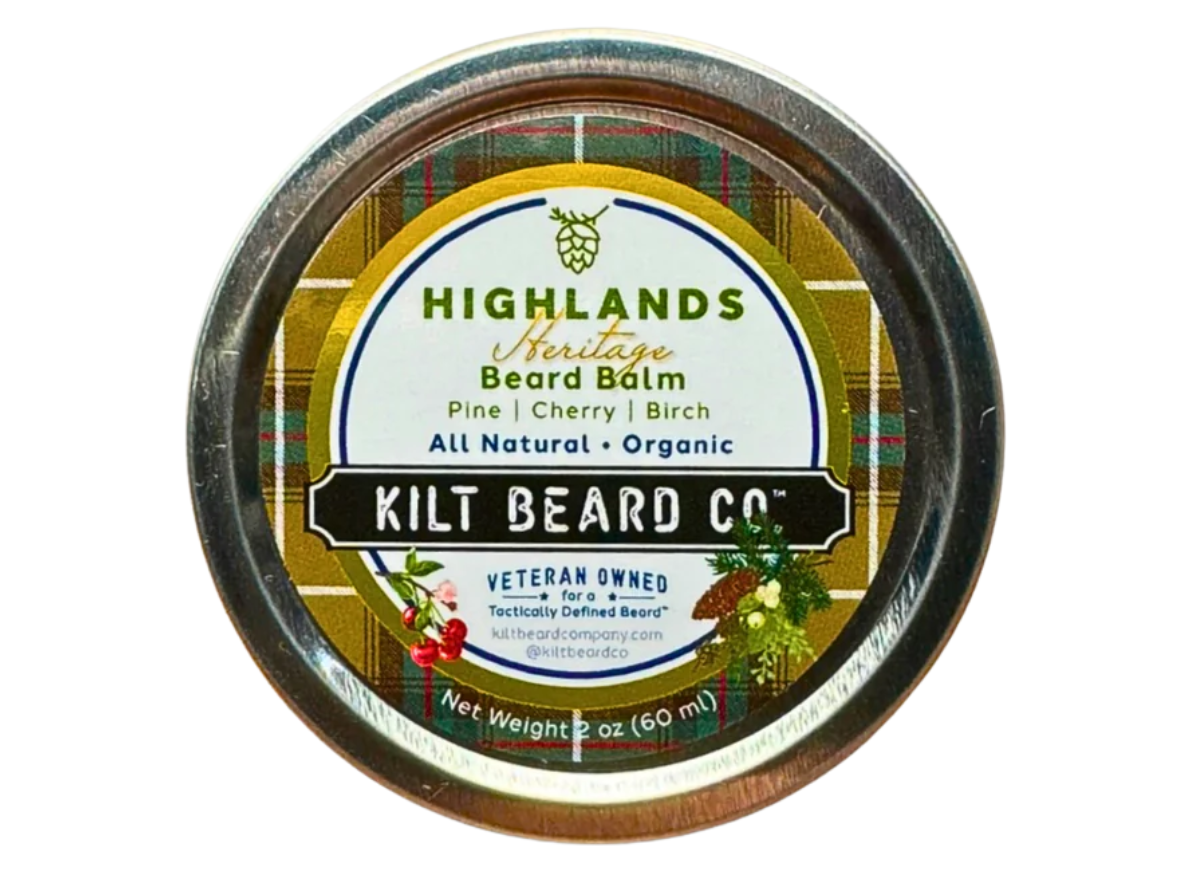
The Extended Barrier: Outdoor Bivouac Beard Balm
When you’re facing a long day of brutal wind, blistering sun, or heavy physical labor, a light liquid isn't always enough to hold the line by itself, especially against more increased bug presence. Sweating through a tough shift or getting blasted by high mountain winds can slowly break down lighter formulas, requiring a product with more physical persistence. That’s why we packed our Outdoor Bivouac Beard Balm into a flat metal tin that can ride safely in your rucksack pocket or work vest without any risk of leaking. This solid formula focuses directly on the exterior surface of your beard hairs, creating a heavy, weather-resistant coating that holds up against the toughest conditions you can encounter.
Shifting the Carrier Oils for Long-Lasting Endurance
To give this formula the kind of stamina required for long hours in the elements, we shifted our base toward a heavier set of skin-conditioning oils. These specific ingredients are selected to stay on the hair fibers longer, providing a durable defense layer that doesn't wash away at the first sign of sweat:
-
Organic Virgin Apricot Kernel Oil: This mild fluid coats rough hair fibers to restore immediate flexibility so your scruff doesn't turn into a stiff block of wire. It helps maintain a soft texture under your jawline without clogging your pores or causing heavy buildup. This makes your beard feel completely comfortable even when you are working up a massive sweat on the job.
-
Organic Castor Oil: A thick, high-viscosity liquid that adds substantial physical weight to coarse, unruly facial hair. It goes to work smoothing down wild strands and providing a deep layer of moisture over dry, weather-beaten whiskers. This extra density helps keep your beard looking organized and full when the afternoon weather gets rough.
-
Grapeseed Oil: A clean, lightweight oil that naturally balances out the heavier fats and waxes inside the metal tin. It helps the balm melt down quickly and evenly between your palms so you can work it through your scruff without any annoying clumping. This allows for a smooth, even application every single time you apply it in the field.
-
Organic Raspberry Seed Oil: This specialized oil delivers excellent natural protection against environmental wear and tear. It helps protect your whiskers from the drying effects of direct, harsh sunlight during long afternoons in the open air. This keeps your facial hair from becoming bleached, dry, and brittle after weeks of outdoor exposure.
-
Vitamin E Oil: A natural conditioner that supports the overall structural strength of your facial hair. It helps soothe dry skin patches and keeps the surrounding oils performing at their best inside your gear bag. This means your balm stays effective and ready to work whenever you pull the tin out of your pocket.
Building a Physical Armor Layer with Waxes and Butters
To truly shield your face from the elements, we reinforced those carrier oils with heavy yellow beeswax and a trio of dense plant fats. This thick matrix completely changes how our insect-blocking essential oils behave on your face. Instead of letting the lemongrass, cedarwood, eucalyptus, and citronella evaporate or sweat away during high-activity days, these solid fats lock those aromatic compounds right onto your hair fibers while keeping flyaways completely disciplined:
-
Organic Yellow Beeswax: Provides a reliable, light-to-medium styling hold that forces stubborn whiskers to lay flat against your jawline. This stops your beard from blowing into your eyes or mouth while you are operating machinery or hiking in high winds. It builds a solid weather barrier that helps seal out trail dust, grit, and flying debris.
-
Virgin Cupuaçu Butter: A heavy-duty plant fat that draws moisture straight out of the damp morning air around you. It can hold up to four times its weight in water, meaning it continuously conditions your scruff while you handle your daily tasks. This keeps your facial hair remarkably soft throughout a punishing outdoor work schedule.
-
Organic Mango Butter: Melts down smoothly under the friction of your hands to supply rich lipids to chapped hair shafts. It helps soothe the rough, scratchy texture of a weather-beaten beard, smoothing out wild kinks and waves. This gives your scruff a clean, healthy appearance without requiring a dozen complex styling steps.
-
Refined Organic Shea Nut Butter: Forms a thick moisture seal that locks out freezing mountain air and biting valley winds. It coats every single strand to cushion your face against the friction of stiff canvas jackets or heavy gear straps. This helps your beard stay protected and healthy when you are pushing through the thickest brush.
How to Layer Your Products for Maximum Insect Repellency
Knowing how to use Outdoor Bivouac Beard Oil + Outdoor Bivouac Beard Balm correctly, is what actually keeps the bugs away. Out in the brush or on a humid job site, the heat and wind constantly work to break down your protection. If you just slap on a single product and walk out the door, biting pests will find a way through your whiskers before your shift is even halfway done. By layering our liquid oil and solid balm together, you build a heavy, chemical-free barrier that keeps bugs away from sunrise to sundown.
Outdoor Bivouac Beard Oil and Outdoor Bivouac Beard Balm Work Together to Keep Bugs Away Longer
Every natural insect-blocking ingredient we use is an essential oil. That means the molecules naturally turn into a pest-repelling vapor when they hit fresh air and your body heat. When you're working hard, clearing utility lines, or tracking a trail, your skin temperature spikes and causes those scents to evaporate fast. If you only use the liquid beard oil from the bottle, it does a great job of protecting your skin, but the open breeze will strip those airborne scents away within a couple of hours.
Putting the solid balm from the tin right on top of the oil fixes that problem by trapping those vapors. The liquid oil goes on first, soaking into your skin to set up your baseline defense against crawling pests like ticks and chiggers. Immediately after, you rub the heavy beard balm over the outside of your hair, creating a physical beeswax and butter ceiling over your face. This wax layer locks the fast-sinking oils down at the root while holding the lemongrass and citronella firmly on the surface. Instead of flashing off into the air and leaving you defenseless, the insect-repelling shield releases in a slow, steady stream all afternoon.
How to Apply Your Products When You're Out in the Elements
To get the maximum insect-blocking performance out of your oil and balm, the application order matters. Putting these on in the correct order keeps the essential oils from fading in the wind or washing out when you start to sweat:
-
Rinse Away the Sweat That Bugs Track: Splash some clean water onto your face to clear out dried sweat and dirt before opening your products. Mosquitoes and black flies track the salt and lactic acid your skin naturally releases, so washing your whiskers first ensures you aren't leaving behind clear chemical markers that attract swarms.
-
Drive the Beard Oil Deep to Block Crawling Pests: Unscrew your bottle of liquid oil, shake a few drops or pinch the dropper (if it comes with one) into your palms, and massage it upward against the grain of your hair. Push your fingertips all the way down to the skin underneath your jaw and neck to coat the base of your whiskers in neem and cedarwood, right where crawling wood ticks and chiggers try to attach.
-
Let the Beard Oil Settle to Build Your Base Layer: Give the liquid oil about 60 seconds to absorb into your pores before moving to the next step. As it settles, the warm botanical compounds start releasing a steady vapor that disrupts the immediate scent receptors of nearby midges and gnats.
-
Warm Up the Beard Balm to Activate the Airborne Defense: Scrape a dime-sized portion of firm beard balm from your tin using the back of your thumbnail. Rub your palms together rapidly to melt the tough beeswax and plant butters, which warms up the concentrated citronella and lemongrass molecules, so they are primed to release a heavy aromatic shield.
-
Seal the Surface to Block Flying Swarms: Run your hands downward over the exterior of your whiskers, smoothing from your cheeks to your throat. This step builds a sweat-resistant wax ceiling that locks the liquid oil underneath and forms a dense perimeter of lemongrass vapor that forces yellowjackets, hornets, and mosquitoes to steer clear of your face.
-
Protect Your Joints from Hitchhiking Ticks: Don't wipe your hands off on a cloth or your trousers when you finish treating your chin. Take whatever warm, insect-repelling balm remains on your palms and swipe it straight onto your bare wrists, behind your knees, or around your ankles to stop ticks from crawling up your limbs or midges from biting your skin.
A Pest-Free Day and Night with the Outdoor Bivouac Weekend Warrior Lifestyle Beard Kit
For guys spending multiple days out in heavily infested environments, a morning application isn't enough to guarantee total comfort. That’s why we rolled out the Outdoor Bivouac Weekend Warrior Lifestyle Beard Kit: pairs your beard oil and heavy-duty balm with Kilt’s Best Beard Butter Original. While the oil and balm provide your daytime defense, the creamier beard butter focuses on nighttime recovery and keeping bugs away when you finally step back from the job.
To maintain an effective barrier without irritating your skin, you need to run these three products on a simple rotation:
-
The Morning Base (Outdoor Bivouac Beard Oil): Shake a few drops into your hands first thing in the morning to hydrate your skin and set up an instant insect defense line before ticks and chiggers can find a way into your whiskers.
-
The Active Shield (Outdoor Bivouac Beard Balm): Coat the outside of your whiskers immediately after using your oil to lock that protective scent down and build a sweat-resistant barrier that keeps flying swarms from landing on your face.
-
The Midday Refresh (Spot-checking with Oil or Balm): If a heavy sweat or sudden downpour strips your protection mid-afternoon, use a quick dab of oil to calm your skin or a smudge of balm to reset your insect barrier on the fly.
-
The Overnight Recovery (Kilt’s Best Beard Butter Original): Massage this creamy blend into your facial hair right before you turn in for the night to soothe your skin and keep mosquitoes and no-see-ums from buzzing around your face while you sleep.
Keeping Bugs Out of Your Beard (and away from the Rest of Your Body) Can Be Done in a Better Way!
You don't have to tolerate a chemical sting on your lips and skin just to keep bugs off your face and body. Opening a bottle of Outdoor Bivouac Beard Oil and a tin of Outdoor Bivouac Beard Balm offers a physical, weather-resistant defense that actually stays put. Once you treat your chin, you just swipe that leftover balm onto your bare wrists and ankles to secure your entire body. And remember, if you’re staying out past sundown, a quick application of Kilt’s Best Beard Butter Original keeps the bugs away through the night. That way, you can stay completely focused on whatever you’re doing out in the elements instead of constantly swatting at yourself.