
Most men have felt that sudden, sharp sting of a single facial hair snapping between their fingers while absentmindedly stroking their chin during a long afternoon. It’s a quiet reminder that beneath the aesthetic of a rugged mane lies a fragile structure of protein and lipids that can only take so much neglect before it literally fails. You might see a sink full of tiny, jagged whiskers after a morning brush and assume it is just natural shedding, but often, those are the casualties of preventable friction and parched fibers.
While the internet is loud with voices promising overnight magic and miraculous transformations, the true veteran of the bearded life knows that structural integrity is the real foundation of success. Focusing on the actual preservation of the hair you already possess is far more productive than chasing the fleeting ghost of unproven marketing promises. We’re setting aside the noise, fellas, to look at the mechanics of why reducing that snap and fray is the most important discipline in your grooming arsenal.
Some Quick Insights into Beard Care First
Deciding to grow a beard is an intentional act of self-expression that requires a man to transition from a passive observer of his reflection to an active manager of a biological asset. It is a common misconception among the uninitiated that a beard simply happens once a razor is discarded, yet those who have reached significant length know that facial hair requires as much discipline as any other aspect of personal health.
This pursuit is fundamentally about managing an ecosystem that resides on the face, balancing the needs of the skin against the demands of the hair fibers that emerge from it. When a man takes his grooming routine seriously, he’s signaling to the world that he values precision and cares about the finer details of his presentation. Ignoring the requirements of a growing mane often leads to a cycle of irritation, dryness, and a ragged appearance that can undermine even the most rugged style.
By adopting a structured approach early on, you bypass the common pitfalls that cause many to abandon their bearded motives prematurely. The goal: cultivate a look that appears effortless but is supported by a foundation of solid, well-informed habits. Truly great beards are not the result of luck; they are the consequence of a man who respects the science of maintenance.
Beard care is the dedicated practice of using specialized formulations and mechanical tools to provide the hair with the hydration and protection it cannot provide for itself. Unlike the hair on your scalp, facial hair is typically thicker, more irregular in shape, and significantly more prone to losing its internal moisture to the surrounding air. The skin on your jawline also has a limited capacity to produce natural sebum, meaning as the hair grows longer, the roots struggle to distribute protective oils to the thirsty tips. Proper maintenance bridges this gap by introducing external emollients that coat the hair shaft, reducing the friction that leads to tangles and structural failure. It’s also a method of environmental defense, creating a barrier against the sun, wind, and urban pollutants that can leave whiskers feeling like sandpaper.
Beyond the physical benefits, a consistent routine provides a tactile satisfaction, transforming the coarse texture of a wild thicket into a soft, manageable asset. This process involves a combination of cleansing, conditioning, and training the hair to lie in a way that flatters the natural contours of the face. Fundamentally, it’s about providing the necessary resources for your facial hair to look healthy and feel comfortable throughout the entire day.
Now, to achieve a professional-level result at home, a man must acquaint himself with the diverse array of beard care products designed to solve specific grooming dilemmas:
-
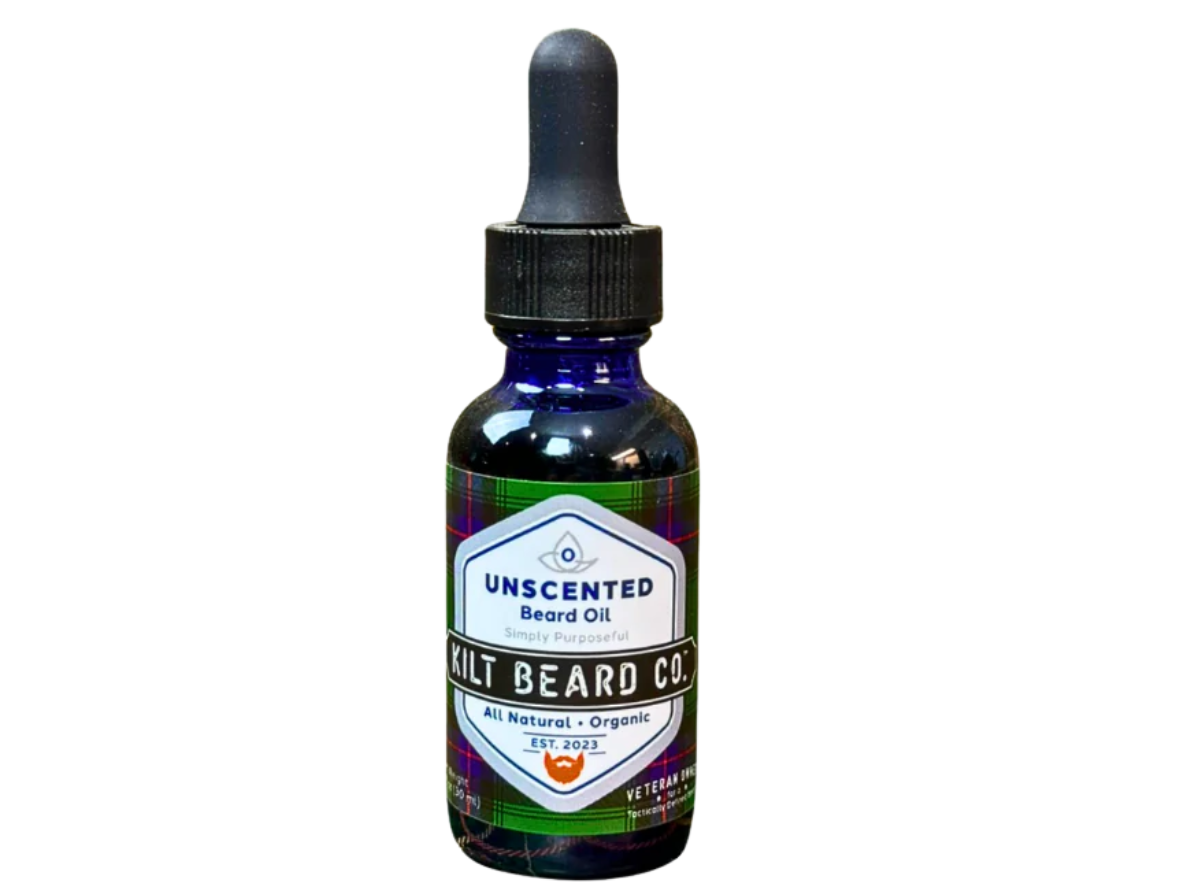
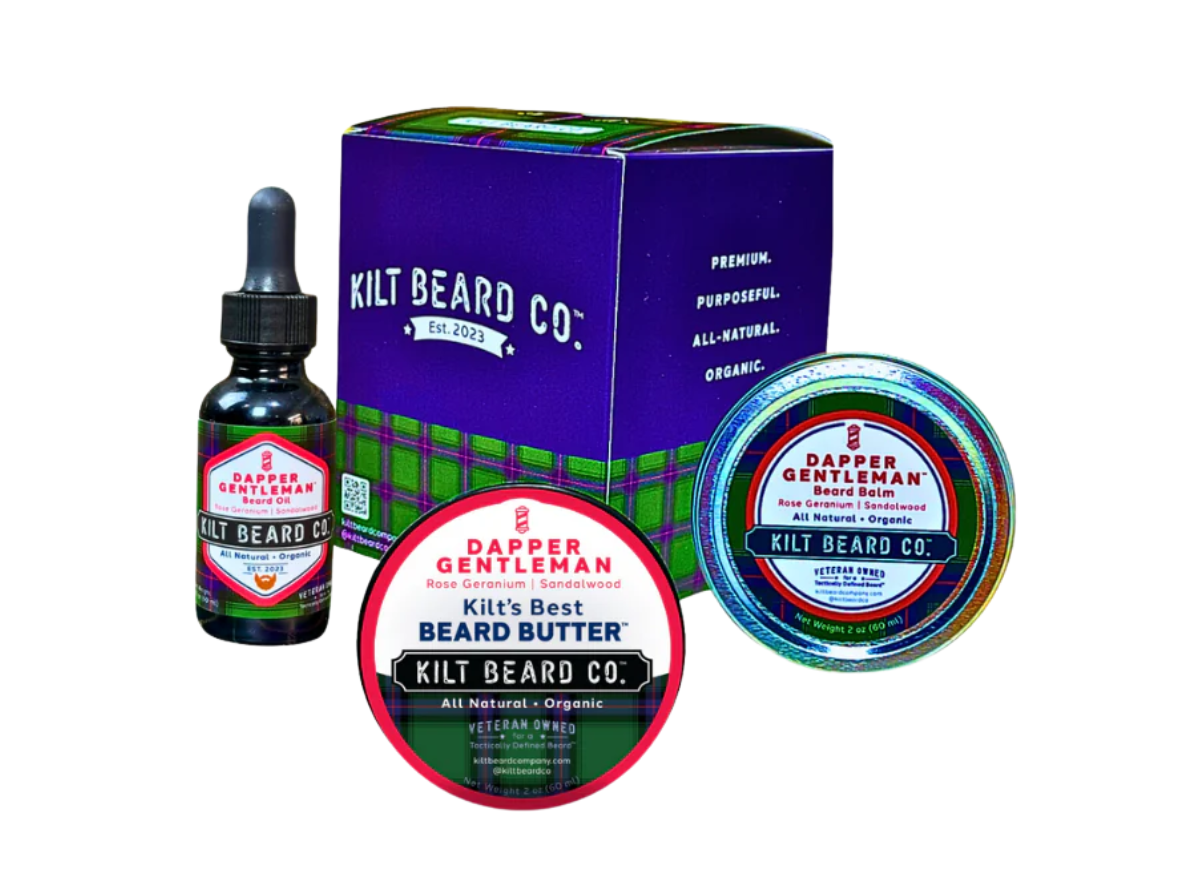
Beard Oil: A foundational liquid conditioner that mimics natural skin oils to provide immediate hydration to both the hair and the skin underneath, helping to reduce the look of flakes and the sensation of dryness.
-
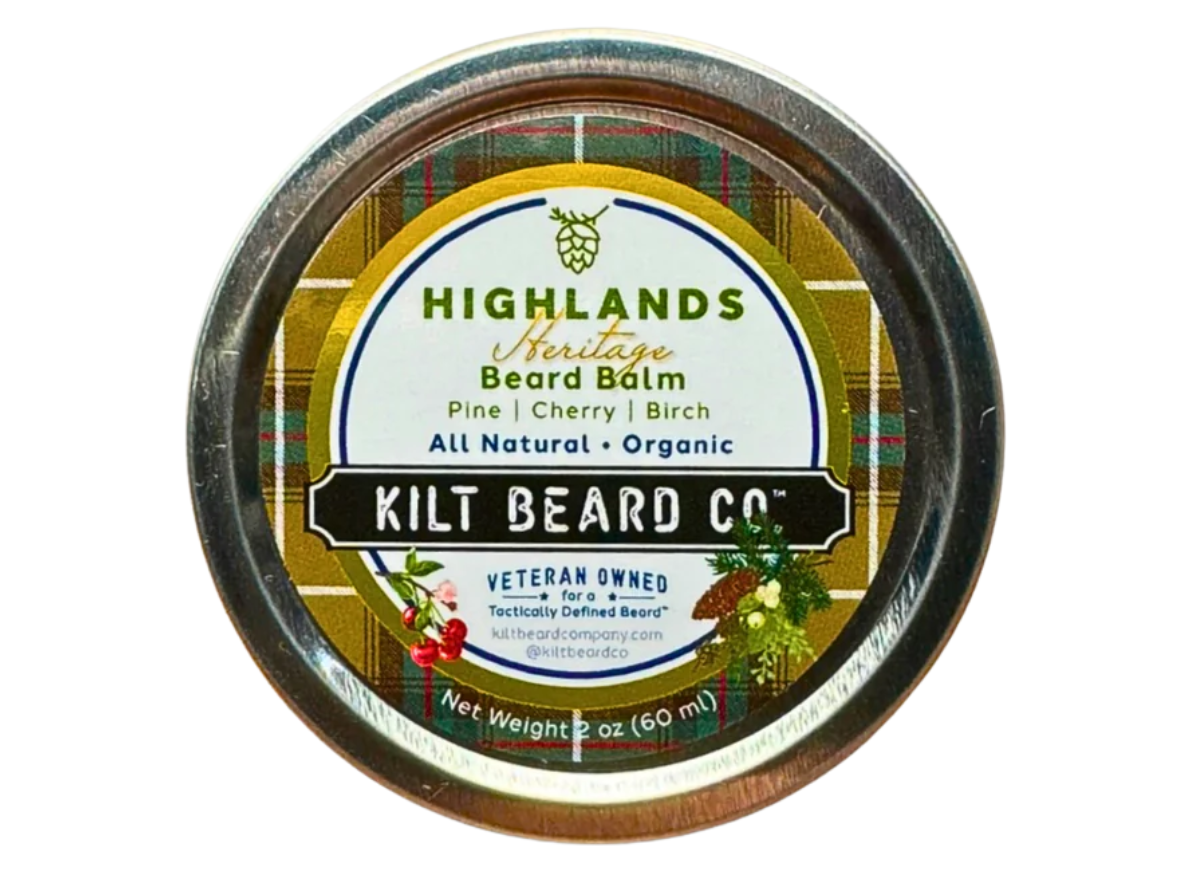
Beard Balm: This hybrid product provides a light-to-medium styling hold while sealing in moisture, utilizing waxes and butters to tame flyaways and give the beard a more defined, uniform shape.
-
Beard Serum: A high-performance, concentrated formula that focuses on deep-level hair support and provides a silky slip, making it an excellent choice for men who want a more refined, polished feel.
-
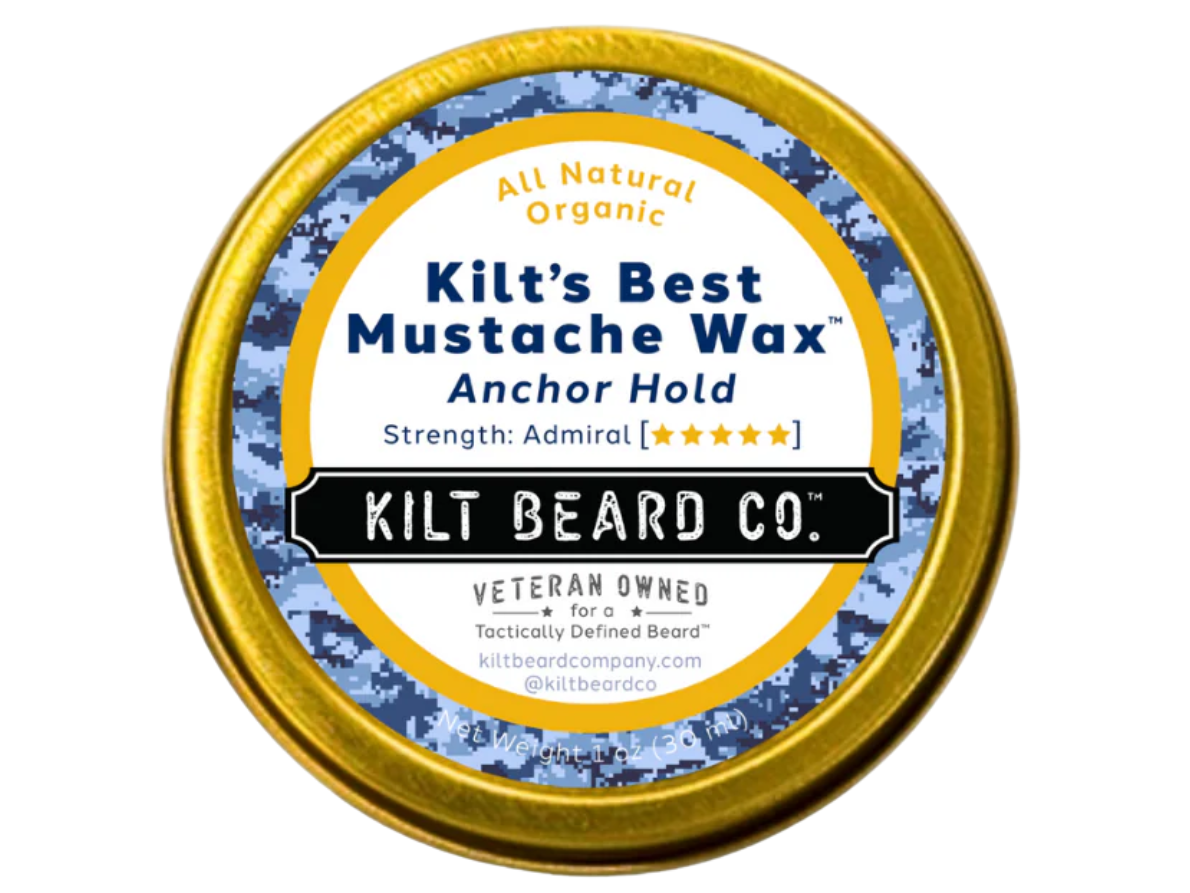
Beard/Mustache Wax: The strongest styling tool available, specifically formulated with a high wax content to allow for precise shaping of the mustache or for tucking in rogue hairs on a longer beard.
-
Beard Butter: A creamy, nourishing treatment that prioritizes softness over hold, designed to melt into the hair to reduce the "crunchy" feeling and improve the overall pliability of the whiskers.
-
Beard Wash & Conditioner: Specialized cleansers that are much milder than standard shampoos, designed to remove grit and excess oil without stripping the vital moisture that prevents the hair from becoming brittle.
-
Beard Soap: A traditional solid cleanser often made with natural clays and fats, providing a deep, refreshing clean for the skin while leaving the hair feeling substantial and clean.
-
Beard Spray: A convenient mist used for a quick refresh during the day, providing a light dose of hydration and a fresh scent without the weight of a heavy cream or oil.
-
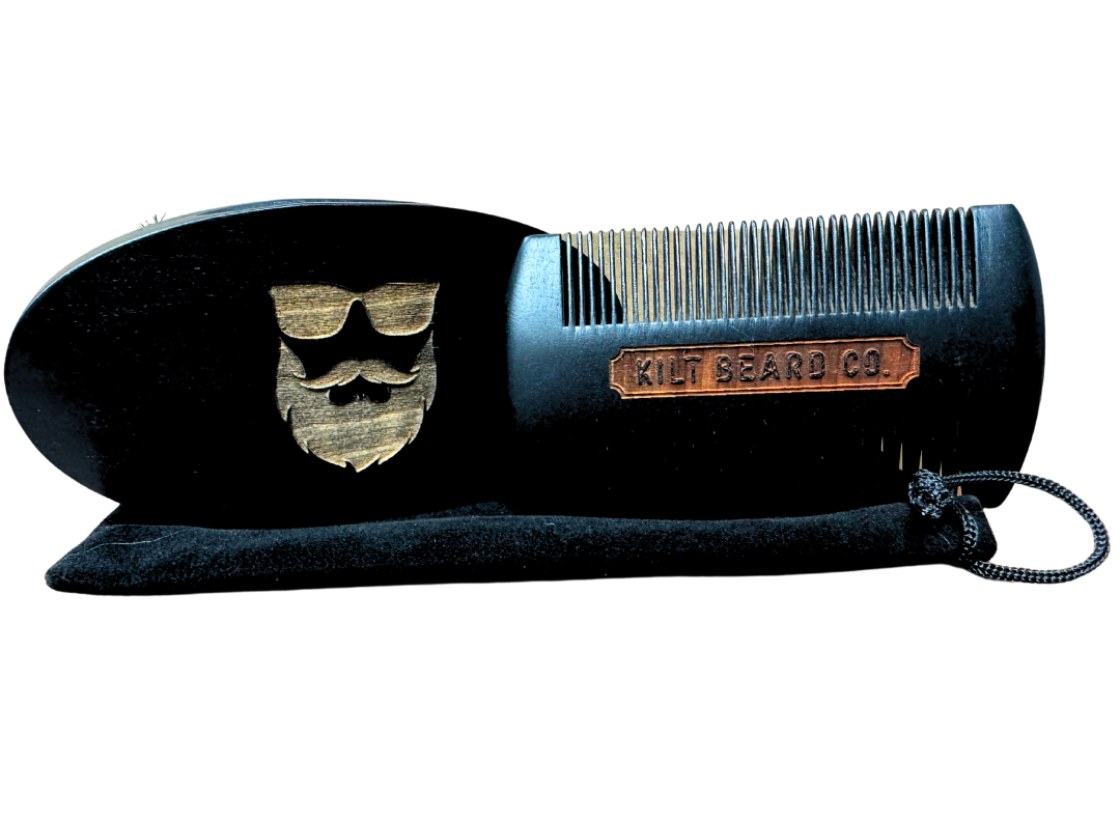
Beard Combs: Usually crafted from wood or horn, these are essential for detangling the hair and ensuring that oils and balms are spread evenly from the root to the tip.
-
Beard Brushes: Typically featuring boar bristles, these tools are perfect for exfoliating the skin, training the hair's growth pattern, and polishing the surface for a finished look.
Daytime Beard Care
The daytime routine is primarily focused on protection and presentation, ensuring that your beard looks its absolute best while being shielded from the rigors of the outside world. As you prepare for the day, your whiskers need a combination of hydration to stay soft and a bit of structure to maintain an intentional silhouette. This part of the day is when you are most active, meaning your facial hair is exposed to wind, UV rays, and the dry air of indoor heating or cooling systems. By taking a few moments in the morning to prepare your mane, you are creating a sacrificial layer of moisture that takes the brunt of the environmental damage. It is a proactive stance that helps you look sharp and feel confident through every meeting and social interaction on your schedule.
The morning ritual follows a logical sequence to move the hair from its sleep-matted state to a polished, professional finish:
-
Hydrate with Warm Water: Start by rinsing the beard with warm water to open the hair cuticles and refresh the skin, making the hair more receptive to the products you are about to apply.
-
Gentle Cleansing: If it is a wash day, use a dedicated beard cleanser to remove overnight debris, being careful not to scrub so hard that you cause unnecessary tangles.
-
Towel Dry to Dampness: Pat the hair with a clean towel until it is no longer dripping, as applying oil or serum to soaking wet hair prevents the product from adhering properly.
-
Apply Base Hydration: Massage a few drops of beard oil or serum into the skin beneath the hair and then work it through the lengths to the tips.
-
Detangle with a Comb: Use a wide-tooth wooden comb to gently work through any knots, starting from the ends and moving upward toward the jaw to minimize pulling.
-
Style with Balm or Wax: Scrape out a small amount of balm, melt it between your palms, and apply it to the surface of the beard to smooth down flyaways and provide a clean shape.
-
Address the Mustache: Use the remaining product on your fingers to direct the mustache hair away from the lip, ensuring it looks neat and stays out of your way during meals.
-
Brush for Distribution: Use a boar bristle brush to firmly but gently sweep over the beard, which spreads the product perfectly and exfoliates the skin.
-
Symmetry Check: Take a final look in the mirror to confirm that both sides of the beard are even and that no stray hairs are standing out in an unsightly manner.
-
Seal and Go: Give the beard one last pat with your hands to settle the fibers and step out with the confidence of a man who has mastered his morning routine.
Maintaining a dedicated daytime routine is vital because it addresses the immediate needs of the hair while providing long-term benefits:
-
UV Protection: The thin layer of oil and wax helps shield the hair from sun damage that can cause the fibers to become dry and discolored.
-
Friction Reduction: Properly conditioned hair slides against shirt collars and jackets rather than snagging and snapping off.
-
Odor Management: High-quality products provide a subtle, masculine scent that keeps the beard smelling fresh throughout the active hours of the day.
-
Itch Prevention: Consistent hydration of the skin underneath the hair prevents the irritation and flakes that often occur when the face becomes dry.
Nighttime Beard Care
Evening care is a shift in strategy, moving away from the "hold" and "look" of the day and focusing entirely on deep-level restoration and comfort. While you sleep, your body enters a state of repair, and this is the perfect opportunity to saturate your facial hair with the nutrients it needs to recover from the day's stressors. Nighttime products are often richer and more intensive, as you don't have to worry about the hair looking too shiny or heavy while you are unconscious.
By dedicating a few minutes to your beard before bed, you are ensuring that you wake up with soft, manageable hair rather than a tangled, brittle mess. It is a moment of quiet maintenance that pays massive dividends in the overall resilience and density of your mane over the coming weeks and months.
Preparing your beard for a night of rest involves creating a sanctuary of moisture that can penetrate the hair fibers over several hours, as this is done by doing the following:
-
Remove the Day's Buildup: Rinse the beard with lukewarm water to clear away the dust, pollutants, and styling waxes that have accumulated since the morning.
-
Steam and Soften: Use a warm, damp cloth against the beard for a minute to relax the hair fibers and make them more pliable for deep conditioning.
-
Apply a Concentrated Serum: Use a specialized recovery serum, focusing on the skin and the roots where the most intense hydration is needed.
-
Layer with a Rich Butter: Work a generous amount of beard butter into the hair, as the lack of heavy wax allows it to soak in more effectively than a styling balm.
-
Focus on the Ends: Pay extra attention to the tips of the beard, which are the oldest and most damaged parts of the hair, and require the most protection against overnight breakage.
-
Gentle Combing: Run a comb through the beard one last time to confirm that every single hair is coated in the restorative treatment and to prevent tangling during sleep.
-
Relax the Skin: Use your fingertips to massage the jawline, which helps with the absorption of the products and provides a soothing sensation before bed.
-
Sleep Mindfully: Try to sleep on a smooth pillowcase to reduce the physical friction that can pull on the hair and cause it to snap while you toss and turn.
The significance of an evening ritual cannot be overstated, as it provides the foundation for the beard's long-term health and structural integrity, specifically as it pertains to:
-
Intensive Repair: The long hours of sleep allow the oils and butters to penetrate deep into the hair shaft, reinforcing the protein structure from the inside out.
-
Morning Manageability: A beard that is well-hydrated at night is significantly easier to style the following morning, saving you time and frustration.
-
Reduction in Breakage: Soft, pliable hair is much more resilient than dry hair, meaning you lose fewer whiskers to snapping and split ends.
-
Skin Comfort: Nighttime hydration prevents the under-beard skin from feeling tight or itchy, ensuring a more restful sleep and a clearer complexion.
What is Beard Breakage?
Beard breakage is the physical failure of the facial hair fiber, where the shaft snaps or splits due to excessive dryness, mechanical tension, or environmental degradation. Unlike natural shedding, where the entire hair follicle reaches the end of its life cycle and falls out from the root, breakage occurs along the length of the hair, leaving behind jagged, uneven ends. This phenomenon is often the primary reason why many men feel their beard has "hit a wall" in terms of length, as the hair is snapping off just as fast as it is growing.
When you notice tiny, short bits of hair in the sink that don't have a white bulb at the end, you're looking at the evidence of structural failure. It’s a sign that the internal moisture levels of the hair have dropped so low that the fiber has lost its elasticity and become brittle. Addressing this issue is not about magic tricks, but about understanding the physical limits of a hair strand and providing the resources it needs to stay flexible.
This structural collapse often begins at the cuticle, which is the outer protective layer of the hair that looks like shingles on a roof. When these shingles are lifted or damaged by harsh soaps, heat, or friction, the soft inner core of the hair is exposed to the air, causing it to dry out rapidly. Once the core is parched, the hair loses its ability to bend and instead reacts to pressure by snapping, much like a dry twig compared to a green one.
Breakage can happen anywhere from the jawline to the very tips, but it is most common at the ends, where the hair is oldest and has endured the most wear and tear. A beard suffering from high levels of breakage will often look thin, frizzy, and transparent at the bottom, regardless of how many hairs are actually growing from the skin.
To combat all of this, a man must look at his beard as a structure that needs constant maintenance to prevent the microscopic cracks that lead to a total snap. It is a battle of attrition where the objective is to keep the hair so soft and well-lubricated that it simply slides past obstacles rather than catching and breaking.
Reasons for Beard Breakage
Identifying the specific factors that lead to the snap and fray of your facial hair is the first step in building a defense that actually works. Many of these causes below are part of our daily environment, while others are internal factors related to how our bodies change over time:
-
Excessive Dryness and Moisture Loss: This is the most common culprit, where the lack of internal moisture makes the hair fibers rigid and prone to snapping at the slightest touch. When the water content within the cortex of the hair drops below a certain threshold, the fiber loses its natural elasticity, behaving more like a dry twig than a flexible vine. Without regular hydration from high-quality emollients, the hair cannot bend to accommodate the pressure of daily life, leading to immediate structural failure.
-
Harsh Chemical Exposure from Standard Cleansers: Using standard bar soaps or scalp shampoos on the face can strip away the delicate oils that maintain the hair's flexibility. These aggressive surfactants are designed to remove heavy sebum from the scalp, but on the face, they leave the beard "squeaky clean," which is actually a sign of total lipid depletion. Once these protective fats are gone, the cuticle layers lift and snag, making the hair significantly more fragile during the grooming process.
-
Mechanical Tension and Poor Grooming Habits: Frequent tugging with poor-quality combs or the habit of "beard stroking" can put enough stress on the hair to cause it to fail. Cheap plastic combs often have microscopic jagged edges from the molding process that act like tiny saws against the hair shaft. Over time, this constant abrasion wears down the protein structure, creating weak points that eventually give way under the tension of a standard morning brush.
-
Age-Related Changes in Hair Porosity: As a man matures, his hair naturally becomes more porous, and his skin produces less sebum, making the beard inherently more fragile and in need of extra support. This shift in biology means that the "natural" protection a younger man enjoys is no longer sufficient to keep the hair pliable. Older hair often has a harder time retaining the moisture it receives, requiring a more tactical approach to sealing the hair shaft to prevent it from becoming hollow and brittle.
-
Environmental Stress and UV Degradation: Constant exposure to the sun’s UV rays and high winds can physically degrade the protein structure of the hair over several months. The sun acts as a slow-motion bleach, breaking down the disulfide bonds that give the beard its strength and resilience. When combined with the abrasive nature of wind-blown dust and debris, the exterior of the hair becomes "weather-beaten," leading to a ragged texture and a much higher rate of breakage.
-
Poor Nutritional Support and Dehydration: A lack of essential fatty acids and vitamins in a man's diet can result in the body producing hair that is structurally weaker from the start. Hair is a non-essential tissue in the eyes of the body, meaning it is the first to lose out on nutrients when the "tank" is low. If you aren't fueling your system with the building blocks of healthy lipids, the hair that emerges from the follicle will be more prone to splitting and snapping regardless of what you apply topically.
-
Heat Damage from Styling Tools: Overusing high-heat blow dryers or flat irons without a protective barrier can literally "cook" the moisture out of the whiskers. While heat can be a great way to straighten a wild mane, it also causes the water inside the hair to expand rapidly, sometimes creating microscopic "bubbles" within the shaft. These weakened areas are the primary locations where the hair will eventually fail, leaving you with a frizzy look that no amount of oil can fix.
-
Pillowcase Friction and Overnight Tossing: Rough cotton fabrics can grab onto the hair at night, creating a "tug-of-war" effect that snaps the fibers while you move in your sleep. Unlike silk or polished fabrics, standard cotton has a microscopic "loop" structure that hooks onto the jagged cuticles of dry facial hair. As you turn your head during the night, the friction creates a shearing force that can pull hairs out by the root or snap them mid-shaft.
-
Internal Health and Physiological Activity: Systemic dehydration or high levels of physiological activity can divert resources away from hair maintenance, leading to a duller, more brittle beard. When the body is focused on recovery from physical exertion or internal stress, the quality of the sebum produced by the sebaceous glands often declines. This results in a "thinner" natural oil that doesn't provide the same level of lubrication and protection that the hair fibers require to stay intact.
-
Chlorine, Salt Water, and Mineral Buildup: Frequent swimming in pools or the ocean can leave behind residues that suck the moisture out of the hair and leave it feeling like straw. Additionally, washing your beard in "hard water" high in calcium and magnesium can create a mineral film on the hair that blocks the absorption of your favorite oils. This film makes the hair feel "tacky" and stiff, significantly increasing the mechanical resistance and the likelihood of a snap during your daily grooming ritual.
The Bearded Question at Hand: Why Does Beard Breakage Reduction Matter More Than Just the Hype?
Beard breakage reduction is the systematic effort to preserve the length and density of the hair you already have by reinforcing its structural integrity. It is an approach that values the "bird in the hand," recognizing that it is much easier to keep a hair on your face than it is to wait for a new one to grow in its place. This practice focuses on improving the elasticity of the whiskers so they can bend without snapping, ensuring that your beard retains its fullness from the root to the tip.
By concentrating on reduction rather than just "growth," you are addressing the physical reality of hair maintenance rather than chasing unverified marketing claims. It is a long-term strategy that pays off in the form of a thicker-looking, more substantial mane that stands up to daily grooming. Reducing the snap and fray is the true secret to moving past the "awkward stage" and achieving the impressive results that most men desire.
The causes of this structural failure are often found in the small, repeated stresses of our daily lives that accumulate into a significant problem:
-
Static Friction and Fiber-on-Fiber Conflict: When dry hair rubs against itself or rough clothing textures, it creates a static charge and physical resistance that leads to persistent snagging. This lack of lubrication turns every turn of your head into a microscopic tug-of-war where the scales of the hair cuticle become interlocked like jagged gears. Without a proper lipid barrier to provide a smooth glide, these fibers catch and pull, creating localized tension that eventually exceeds the tensile strength of the hair shaft. This process is especially aggressive in colder months or low-humidity environments where the air lacks the moisture needed to dissipate electrical buildup. Over time, this constant rubbing thins out the exterior of the hair, making it brittle and far more susceptible to a sudden snap during a routine afternoon touch-up.
-
Rapid Moisture Depletion and Hygral Fatigue: The transition from humid to dry environments can cause the hair shaft to rapidly expand and contract, weakening the cuticle through a cycle of constant physical shifting. When hair is saturated with water, it swells, and as it dries in a parched office or a heated car, it shrinks back down with a speed that puts immense pressure on the protective outer layer. This repetitive "breathing" of the hair fiber creates tiny fissures in the protein structure that eventually widen into full-blown cracks. Think of it like a piece of wood left out in the rain and then baked in the sun; eventually, the structural integrity gives way to the warping forces. By failing to lock in a consistent level of internal hydration, you allow this environmental seesaw to slowly rot the foundation of your facial hair.
-
Cumulative Grooming Stress and Surface Abrasion: The simple act of daily brushing with a firm brush or using a low-quality comb can, over months, wear down the outer layers of the hair if not properly lubricated. Every stroke of a brush across an unconditioned beard is essentially a light sanding of the hair's protective shingles, gradually stripping away the very defense it needs to stay pliable. While a single brush stroke does very little damage, the math of hundreds of strokes per week across an entire year adds up to a significant loss of structural mass. This "death by a thousand cuts" scenario is why many men notice their beard looking thinner even if they haven't changed their routine. Without the protective cushion of a serum or butter, the mechanical action of grooming becomes a destructive force rather than a styling benefit.
-
Chemical Stripping and Mineral Accumulation: Hard water minerals and aggressive cleansers can leave the hair feeling "tacky," which increases the likelihood of a snap during combing. When the natural oils are completely removed by a harsh soap, the hair becomes highly absorbent, taking in calcium and magnesium from the shower water, which creates a stiff, crusty film. This mineral buildup makes the hair fibers feel rigid and prevents your conditioning products from actually reaching the core of the whisker. This tackiness creates a high-friction environment where a comb can easily get stuck, leading to a frustrated pull that snaps multiple hairs at once. It is a chemical sabotage that turns a soft beard into a stiff, unyielding thicket that breaks at the first sign of pressure.
Understanding why this matters more than the latest "growth hack" or hyped-up miracle oil is the key to a more mature and effective grooming philosophy:
-
Length Retention and the Growth-to-Breakage Ratio: You cannot gain length if the ends are breaking off at the same rate the roots are producing new hair; reduction is the only way to actually see progress in your silhouette. Many guys believe their beard has reached its biological limit, but in reality, they are just losing ground at the bottom as fast as they gain it at the top. By focusing on the strength of the hair tips, you effectively "unlock" the growth that has already happened, allowing the beard to descend further down the chest. This is the most logical path to a longer beard because it treats the hair as a finite resource that must be protected rather than an endless stream that can be neglected. True progress is measured by what stays on your face, not just what comes out of the follicle.
-
Visual Density and Light Transmission: A beard with minimal breakage looks fuller and more opaque because the hair shafts remain intact all the way to the bottom. When ends are frayed and broken at different heights, light passes through the gaps, making the mane look transparent, wispy, and unorganized. A healthy beard with full-length retention acts like a solid block of color, providing a strong jawline and a commanding presence that signals vitality. This density is what gives a beard its "weight" and prevents it from looking like a neglected cloud of frizz. Maintaining the integrity of each strand ensures that the volume you’ve worked so hard to build is visible to everyone you meet.
-
Tactile Comfort and Sensory Appeal: Hair that isn't frayed or split feels significantly softer to the touch, making it more pleasant for both you and anyone close to you. Broken ends are jagged and sharp, acting like tiny needles that cause the infamous "beard itch" when they curl back and poke the skin of the neck. When you reduce breakage, you are essentially polishing the ends of your hair, turning a prickly surface into a smooth, inviting texture. This change in feel is often the first thing people notice, transforming the beard from a rough obstacle into a refined asset. It makes the entire experience of wearing a beard more comfortable, removing the urge to constantly scratch or trim.
-
Financial Efficiency and Return on Investment: Investing in products that prevent breakage is far more cost-effective than buying expensive "miracle" cures for a problem that is fundamentally mechanical. Most "hype" products are marketed with vague promises of speed, but a solid bottle of recovery serum or a jar of barrier butter solves the actual physical problem of structural failure. By spending your money on the foundational science of hair resilience, you avoid the wasted capital associated with chasing trends that offer no real-world benefit. A single high-quality restorative routine can replace a dozen cheaper, ineffective products that only sit on the surface of the hair. It is a smarter way to manage your grooming budget while seeing a much higher level of tangible success.
-
Styling Ease and Cooperative Textures: Resilient hair is much easier to train and shape, as it responds better to balms and brushes without becoming a frizzy mess. When hair is damaged and broken, it lacks the internal "memory" and weight needed to lie flat, often springing out in random directions regardless of how much wax you apply. Healthy, whole hair fibers are much more obedient, holding their shape and reacting to the heat and pressure of styling tools with far less resistance. This reduces the time you spend in front of the mirror every morning, as you aren't fighting a losing battle against frayed ends. A beard that is structurally sound is a beard that listens to its owner, allowing for a sharp, intentional look with minimal effort.
What to Know About Daytime and Nighttime Beard Breakage Reduction
Protecting your beard is a 24-hour commitment that requires different tactics depending on whether you are facing the sun or resting on your pillow. During the day, you are the guardian of your mane, actively shielding it from the world’s harshness, while at night, you are the technician, providing the deep-level restoration that happens behind the scenes. This dual-phase approach ensures that the hair is never left vulnerable to the dryness that leads to a snap. By mastering both halves of the cycle, you create a continuous loop of protection that allows your beard to reach its full potential.
Daytime Beard Breakage Reduction
In the light of day, the primary goal for reducing breakage is the management of friction and environmental shielding. Your beard is constantly in motion, rubbing against your collar, being touched by your hands, and being buffeted by the wind, all of which create mechanical stress. To combat this, a man needs to ensure his whiskers are coated in a light, protective layer that provides "slip," allowing the hairs to glide past one another. Without this lubrication, the hairs catch on each other like Velcro, and the resulting tension is what leads to those jagged, broken ends in your brush. A well-conditioned daytime beard is a resilient beard, capable of bending with the pressures of the day without reaching its breaking point.
Furthermore, the sun has a much larger role in structural failure than many men realize, as UV radiation can slowly break down the protein bonds that hold the hair together. When these bonds are weakened, the hair becomes "porous", meaning it loses its ability to hold onto moisture, leading to a permanent state of brittleness. By using daytime oils and balms, you’re essentially providing a sacrificial barrier that absorbs some of this radiation before it can reach the internal structure of the hair.
This is why a man who spends a lot of time outdoors often finds his beard becoming rougher and more prone to snapping if he isn't diligent with his morning routine. It isn't just about looking good in the moment; it is about preventing the slow-motion decay of your hair fibers over months of exposure.
At last, the way you interact with your beard during the day can either support or undermine your reduction efforts. Habitual "tugging" or "twirling" of certain sections of the beard can create localized areas of high breakage, leading to an uneven and thin appearance. Replacing these habits with a gentle, flat-palmed smoothing motion can satisfy the urge to touch the beard without putting the hair under excessive tension. Additionally, choosing the right tools for a quick mid-day touch-up—like a polished wooden comb rather than a cheap plastic one—can prevent the microscopic snags that eventually turn into full snaps. Daytime reduction is about being mindful of the physical reality of your facial hair and treating it with the respect that a high-value asset deserves.
Nighttime Beard Breakage Reduction
When the lights go out, the environment changes, but the threat of breakage remains in the form of pillowcase friction and overnight dehydration. As you move during the night, your beard is pressed between your face and the fabric of your bed, which can create a "grinding" effect on the hair fibers. If the hair is dry, this friction can easily lead to the cuticle being stripped away, leaving the hair vulnerable to snapping the next time you brush it.
Nighttime reduction is about saturating the hair so deeply that it remains pliable even under the weight of your head, ensuring that the fibers slide smoothly against the pillow. This is the time for "heavy lifting" in your routine, using the richest butters and most concentrated serums to reinforce the hair's structure.
The lack of environmental stressors at night also means that your beard has a unique opportunity to "soak" in nutrients without interference. During the day, products are often evaporated by the sun or wiped away by the wind, but at night, they remain on the hair for eight full hours. This extended contact time allows for a much deeper level of lipid integration, where the oils can actually work their way into the core of the fiber to improve elasticity from the inside out. A man who ignores his nighttime routine is missing out on the most efficient window for actual structural repair. By waking up with a beard that is already soft and saturated, you drastically reduce the mechanical stress of the morning detangling process, which is where a large percentage of breakage typically occurs.
Moreover, the skin's health during the night is directly tied to the resilience of the hair it produces and supports. A dry, neglected jawline will produce a "scratch factor" that leads to restless sleep and more tossing and turning, which in turn increases the friction on the beard. By applying a comfort-focused routine before bed, you are calming the skin and reducing the urge to rub your face against the bedding. This creates a peaceful environment where both the skin and the hair can recover in tandem, leading to a stronger and more vibrant appearance. Nighttime isn’t just a break from grooming; it is the most critical phase of the 24-hour cycle for anyone serious about long-term beard health and the reduction of structural failure.
The Night Watch Beard Recovery System for Beard Breakage Reduction
The Night Watch Beard Recovery System is a masterclass in modern grooming, focusing on a "two-step win" that first treats the hair and then seals in those benefits for the long haul. Instead of chasing the latest gimmicks that promise magic, this system is designed to help you actually retain the hair you grow by addressing the mechanical and biological causes of snapping. By establishing a consistent, simple routine before you hit the pillow, you are making a deliberate choice to prioritize the structural integrity of your mane over superficial hype.
The result is a beard that feels noticeably softer, looks calmer, and is far more manageable by the time the sun comes up. This approach beats standard "growth oils" because it focuses on a barrier-and-comfort philosophy that reduces the risk of irritation while maximizing the hair's resilience. The definitive answer for any man who’s tired of seeing his progress snap off in the sink and is ready for a real, science-backed solution.
Step #1: Night Watch Beard Recovery Serum
Our Night Watch Beard Recovery Serum is meticulously crafted to provide a "silky slip layer" that serves as the foundation for the entire restorative process. This serum is completely scentless, making it the perfect companion for men with sensitive skin or those who prefer to keep their bedtime routine free from competing fragrances. Its formulation relies on naturally derived, functional ingredients that deliver a high-performance result without the need for the clinical additives found in lesser products. Despite its concentrated power, the serum maintains a light, non-greasy feel that ensures you don't feel like your face is coated in heavy oil when you lay your head down. It is designed to glide onto the whiskers and soak in quickly, preparing the hair fibers for the sealing layer that follows.
The ingredient profile is a sophisticated blend of nature and science, featuring Squalane and Broccoli Seed oil to provide an incredible "glide" that makes detangling and combing through a breeze. These are supported by a stable, skin-friendly backbone of Meadowfoam and Jojoba oils, which are world-renowned for their ability to mimic the skin's natural protective barriers. To ensure the experience is as soothing as possible, the formula includes Oat, Calendula, and Bisabolol, which work in harmony to provide a sense of comfort and calm to the skin underneath the hair. Evening Primrose oil is also included to provide a "dryness support story," offering a high concentration of beneficial fatty acids without making any unsubstantiated medical claims. To keep the oils fresh and potent, Rosemary Oleoresin (ROE) and Vitamin E act as natural antioxidants, while Pomegranate Sterols provide a final barrier-supporting lipid theme that enhances the overall sensory experience.
Night Watch Beard Recovery Serum is the ultimate tool for the man who deals with the constant frustration of coarse beard friction and the annoying "scratch factor" of a dry under-beard. It is best applied at night to a clean, damp beard, allowing it to fully absorb into the hair and skin before being locked in by the barrier butter. It is a favorite among fragrance-free shoppers and those with sensitive complexions who need high-performance results without the risk of an adverse reaction.
By reducing the internal friction of the hair fibers, this serum directly addresses one of the primary mechanical causes of breakage. It transforms the "feel" of the beard from a rough thicket into a refined, professional asset that is ready for the deep-conditioning power of the second step. If you want a product that does the heavy lifting while you sleep, this serum is the essential starting point for your recovery.
Step #2: Night Watch Barrier Butter
Once the serum has been applied, our Night Watch Barrier Butter takes over as the heavy-duty sealer that provides an overnight sanctuary for your facial hair. This isn't just a styling balm with a few extra oils; it is a dedicated recovery tool designed to transform a weather-beaten beard into a soft, resilient mane by the time you wake up. It focuses on the reality of the bearded life, addressing the damage caused by wind, cold, sweat, and the constant cycle of washing that can leave hair feeling brittle. The "comfort-first" approach is evident in how it handles the itchy, dry skin that often hides beneath a thick beard, providing immediate relief and a supple feel. By creating this protective envelope, the butter allows the hair to retain its internal moisture, leading to a significant reduction in breakage and better length retention over time.
The power of this butter comes from a rich blend of Cupuaçu, Shea, and Mango butters, which provide a deep conditioning experience that makes even the coarsest hair feel less brittle. These butters are infused with a selection of oils chosen specifically for their ability to support the hair and skin simultaneously, including Jojoba, Meadowfoam, Oat, and the rare, highly-prized Tamanu oil. Evening Primrose and Broccoli Seed oils also make a return here to reinforce the hydration story and provide that essential "slip" for the hair fibers.
To ensure the skin remains as calm as the hair is soft, Bisabolol and Calendula are included to reduce the "scratch factor" and promote a more comfortable grooming experience. This combination results in a product that feels substantial and nourishing without the sticky, heavy residue associated with high-wax styling products.
Night Watch Barrier Butter is the definitive solution for men with coarse textures, those living in exceptionally dry climates, or anyone struggling with "beardruff" and "crunchy" ends. It’s particularly effective at combatting the "post-wash tightness" that occurs when the skin and hair have been stripped of their natural defenses. To get the best results, you should apply it after the serum, starting with the skin at the jawline and then working the product through to the very tips of the whiskers. A small amount is all that’s needed to see a difference, as the concentrated ingredients provide a massive amount of coverage and protection. Truly moves past the hype and delivers real, tactile results for the man who takes his appearance seriously.
Bottom Line: A Beard Can Sometimes Bend, But It Should Never Break
The real test of a man's beard isn't found in a filtered social media post, but in the gritty, tactile reality of how those whiskers handle a long day. Chasing the latest "growth" gimmick is a fool's errand if your sink is constantly filled with the jagged casualties of a parched and brittle mane. True dominance over your look requires the realization that every single strand you save from snapping is a direct investment in the density of your silhouette. By moving away from the loud, empty promises of the industry and toward the quiet necessity of structural repair, you establish a standard of grooming that most guys never reach.
The commitment to a deep-level evening ritual completely shifts the physical response of your hair, swapping out the sandpaper-like feel for a pliable, resilient strength. Besides, you aren't just going through the motions; you’re actively defending the physical proof of your discipline and your refusal to wear a frayed, neglected thicket. When finally deciding that resilience matters more than the “hype”, you stop being a spectator of your own style and become the definitive authority on it.