

Stepping toward the bathroom mirror as the first light of dawn filters through the blinds often presents a man with a rather startling and unruly sight.
What was a soft, well-groomed masterpiece of facial architecture the previous evening has somehow mutated into a coarse, tangled, and dehydrated thicket overnight. This frustrating transformation leaves many wondering how a period of rest could result in such a structural catastrophe for their whiskers.
The hair feels remarkably brittle, the skin underneath often tingles with a slight itch, and the shape of the mane defies every law of grooming physics. It is a universal struggle for the bearded brotherhood, where the transition from sleep to a polished public image feels like an uphill battle against nature itself.
This phenomenon isn't merely a cosmetic inconvenience but a sign that your facial hair is reacting to the environmental stresses of the sleeping hours. Grasping the specific mechanics behind this overnight shift is a vital first step toward reclaiming your morning beard routine and your confidence.
What is “Morning Beard” and What Causes It?
A "morning beard" generally refers to the state of a man's facial hair immediately upon waking, often characterized as "bed beard", which’s unruly, tangled, or flattened. The primary driver behind that sandpaper-like texture you encounter at sunrise is the relentless process of moisture evaporation coupled with intense mechanical friction.
Throughout the night, your facial hair remains in constant contact with bedding materials that act as a thirsty wick, pulling out the natural lipids and hydration you worked so hard to apply. This trans-epidermal moisture loss doesn't just affect the surface of your skin; it leaves the hair cuticle open and jagged, resulting in that characteristic "crunchy" sensation.
As the ambient air in your bedroom fluctuates in temperature or humidity, it further accelerates this dehydration process, stripping away the protective shield of your facial hair. Because the beard occupies a prominent position on the face, it is exposed to every toss and turn, leading to a structural compromise of the hair fibers.
This lack of hydration makes the hair far less pliable and more prone to holding onto the distorted, chaotic shapes it was forced into while you were dreaming. Without a steady moisture level, the beard loses its natural weight and drape, causing it to flare out in directions that seem to defy your usual grooming patterns. The result is a beard that feels rough because the individual hair scales are no longer lying flat, but are instead bristling outward.
Beyond the simple loss of hydration, the physical compression of your face against a pillow for six to eight hours creates a "setting" effect that is remarkably difficult to reverse. Hair is surprisingly responsive to heat and pressure, and as your head rests on the pillow, the warmth from your skin helps mold the whiskers into whatever awkward position they happen to be in.
This results in deep-set creases and flat spots that seem almost permanent when you first wake up, as the hair fibers have been molded into a chaotic arrangement. If you’re a side sleeper or a stomach sleeper, you are likely noticing that one side of your face looks significantly more crushed than the other, creating a distracting and messy asymmetry.
This mechanical stress doesn't just affect the overall shape; it can also lead to minor tangles and snags as the hairs rub against each other under the weight of your skull. Cotton pillowcases, in particular, possess a microscopic rough surface that catches on the individual scales of your hair cuticles, pulling them out of their natural alignment.
Consequently, you wake up with a beard that feels harsh and unyielding, because the cuticle layers have been disrupted and forced into a state of disorder. The friction generated by movement against a coarse fabric is a leading cause of the dullness and "bed-head" look that greets you in the mirror.
Another contributing factor to the dreaded morning beard is the natural accumulation of skin cells and the uneven distribution of natural oils that occurs while you’re stationary. While your body works to repair itself during sleep, the skin underneath your beard continues to shed cells, which can get trapped in the dry, tangled web of your morning whiskers.
Without the regular movement, combing, and brushing that occurs during your waking hours, these particles combine with a lack of fresh moisture to create a stiff feeling within the beard. The natural sebum produced by your sebaceous glands may also distribute unevenly when you aren't active, leading to patches of hair that feel oily while the tips remain bone-dry.This imbalance contributes to a lack of uniform texture, making the beard feel patchy and neglected despite your best efforts during the previous day's grooming session.
When combining the lack of oil distribution with the physical crushing of the hair fibers, you get a recipe for a beard that looks dull and feels remarkably harsh to the touch. Realizing that this is a combination of biological processes and environmental factors helps you see that a simple splash of water isn't enough to rectify the situation. It requires a more nuanced approach to break the "set" of the hair and reintroduce the flexibility needed for a professional, well-maintained look.
Why Should Men Consider Using Beard Care Products Then to Help with Morning Beard?
While it might be tempting to think that your beard will eventually settle on its own as the day progresses, utilizing specialized beard products is the most effective way to counteract overnight damage. High-quality formulations provide the necessary lubrication and structural support that water alone cannot offer, helping to smooth the cuticle and bring back a healthy-looking shine. If you ignore the need for topical support, you’re essentially leaving your facial hair to fend for itself against the drying effects of your home's climate and the abrasive nature of your bedding. Need more convincing? Well, how about:
-
Deep Hydration and Moisture Retention: Quality beard oils and beard butters are crafted to penetrate the hair shaft and the skin beneath, creating a reservoir of moisture that prevents the "crunchy" feeling. These products help to replicate the natural oils that are stripped away by your pillowcase, ensuring the hair remains supple and less prone to breaking when you finally comb through it. By reinforcing the moisture barrier, you are making the hair more elastic, which is vital for maintaining a look that appears healthy rather than neglected.
-
Creating a Protective Physical Barrier: By applying a barrier-style product, you are placing a microscopic shield around each individual whisker. This helps to reduce the friction between your face and the bedding, allowing the hair to glide over the fabric rather than catching and pulling, which significantly minimizes morning tangles. This barrier also serves to lock in the internal moisture of the hair, preventing the dry air of the bedroom from wicking away the hydration that keeps the beard soft.
-
Softening the Hair Cuticle for Better Manageability: A well-conditioned beard has a closed cuticle, which feels much smoother to the touch and reflects light more effectively for a natural glow. This makes the hair far easier to style in the morning, as the whiskers will be more responsive to your brush or comb, allowing you to guide them into place without excessive force. When the cuticle is smooth, the hairs do not "hook" into one another, which is the primary cause of those stubborn morning knots.
-
Supporting the Health of the Skin Underneath: Much of the discomfort associated with a morning beard actually stems from the skin, which can become dry and itchy overnight. Products infused with botanical ingredients help to soothe the skin environment, reducing the likelihood of flakiness and ensuring the foundation of your beard remains robust and clear. A healthy skin foundation is the only way to ensure that the hair growing out of it remains strong and capable of resisting the stresses of daily life.
-
Improving the "Drape" and Weight of the Beard: Dry hair is light and flyaway, which contributes to the "puffiness" seen in the morning. By adding the right weight through oils or balms, you help the beard hang in a more natural, downward fashion, which immediately makes it look more groomed and intentional even before you start styling. This added weight helps to counteract the "winging out" effect that occurs when the hair is dehydrated and electrified by friction.
-
Reducing Long-Term Breakage and Split Ends: When hair is dry and tangled, the act of combing it can lead to microscopic tears and snaps that hinder your progress. Consistent use of products keeps the hair elastic, meaning it can bend and flex during the night without sustaining structural damage that would otherwise require you to trim the beard shorter. Protecting the ends of the hair is particularly important for men who are trying to achieve a significant amount of length.
-
Refreshing the Scent and Overall Sensation: Beyond the physical benefits, using products helps to eliminate that "stale" morning smell that can linger in facial hair after several hours of sleep. This provides a sensory boost that makes you feel more put-together and ready to tackle the day with a sense of refined confidence. A pleasant scent profile can also have a positive effect on your morning mood, turning a chore into a refreshing ritual.
-
Preventing the "Bed-Beard" Crease from Setting: When hair is properly lubricated with a beard balm or butter, it is less likely to take a permanent "set" when pressed against a pillow. The products allow the hair to remain somewhat fluid and movable, meaning that even if it is compressed, it will bounce back to its original shape much faster once you are upright.
-
Enhancing the Natural Color and Luster: Dehydrated hair looks greyish and dull, which can make a man look older or more tired than he actually is. By reintroducing lipids through high-quality oils, you bring back the natural depth of color and the healthy sheen that characterizes a well-maintained beard. This visual improvement is often the first thing people notice, making the beard a highlight of your appearance rather than a distraction.
How to Fix a Morning Beard to Make it Look Great Again!
The process of reviving your facial hair after a long night doesn't have to be a grueling chore if you approach it with the right sequence of actions. You’re trying to reset the "memory" of the hair fibers while reintroducing the moisture that was lost to the atmosphere and your bedding throughout the night. It involves a combination of gentle heat, hydration, and mechanical direction to coax the whiskers back into their proper alignment and restore a sense of order.
If you simply try to force a dry beard into a specific shape with a brush, you risk causing breakage and irritation to the skin underneath. Instead, a methodical transition from the chaotic "just-woke-up" state to a refined, polished look will yield much better results and help maintain the integrity of your facial hair for the long haul.
Men Who Have Shadows & Stubble
For men sporting shorter growth, the focus is primarily on the skin and ensuring the short, stiff whiskers aren't pointing in a dozen different directions. Stubble can often feel like a literal brush in the morning, and the skin underneath may feel tight or parched due to exposure to the elements. Because the hair is so short, the skin's health is directly visible, meaning any dryness or flakiness will be immediately apparent to anyone you encounter. Here are some simple steps to follow:
-
Hydrate with Lukewarm Water: Begin by splashing your face with lukewarm water to soften the short hairs and awaken the skin. Avoid using excessively hot water, as this can strip away the remaining natural oils and lead to a rebound effect of dryness later in the day. The goal is to make the stubble more pliable so that it doesn't stand straight out from the face like a needle.
-
Exfoliate Gently with a Washcloth: Use a soft washcloth to gently rub in circular motions over your stubble area. This helps to lift any trapped skin cells and "unstick" whiskers that might be laying flat against the skin, which supports a more even-looking shadow across your jawline. This step also stimulates the area, helping to bring a healthy look to the skin surface.
-
Apply a Light Moisturizer or Stubble Oil: While the skin is still slightly damp, apply a small amount of a lightweight oil or a hydrating moisturizer. This softens the sharp ends of the stubble, making it feel less abrasive to the touch and giving it a healthy-looking sheen that defines the jawline. For stubble, you want a product that absorbs quickly so it doesn't leave a greasy residue on your collar.
-
Directional Brushing with a Soft Bristle Brush: Even with short hair, a quick pass with a soft boar hair brush can help train the hair to grow in a uniform direction. This reduces the "patchy" appearance that can occur when stubble is pushed around during sleep and helps the hair lay flat. Consistent brushing, even at this length, helps the hair follicles point in the right direction as they get longer.
-
Clean Up the Edges: Use a precision trimmer or a razor to define the neck and cheek lines. When stubble is neatly edged, it looks like a deliberate style choice rather than just a few days of forgotten shaving. This contrast between the growth and the clean skin makes the stubble appear thicker and more intentional.
-
Pat Dry, Don't Rub: When you are finished with your morning wash, pat your stubble dry with a clean towel. Rubbing too vigorously can cause irritation to the skin and can even pull at the short hairs, leading to a ragged look that is difficult to fix with product alone.
Men Who Have Close-Trimmed Beards
A close-trimmed beard requires a bit more attention because the hair is long enough to show distinct "bed-head" patterns but too short to hide them with sheer bulk. You gotta focus on breaking the deep creases that formed against the pillow while maintaining the crisp lines of your trim. Because this style relies on precision, any stray hairs that are sticking out will be much more noticeable than they would be on a longer mane. Here are some simple steps to follow:
-
Steam Treatment: If you aren't taking a full shower, hold a warm, damp towel against your beard for about thirty to sixty seconds. The steam helps to open the hair cuticle and relax the "set" of the hair, making it much more pliable for the steps that follow. This is the most effective way to "melt" away the flat spots caused by your pillow without having to soak the entire beard.
-
Application of a Hydrating Serum: Use a small amount of a botanical-based serum to provide some "slip" to the hair. This prevents your comb from snagging on any small tangles that may have formed overnight and begins the softening process from the root to the tip. A serum is excellent for this length because it provides hydration without the heavy weight of a traditional wax-based balm.
-
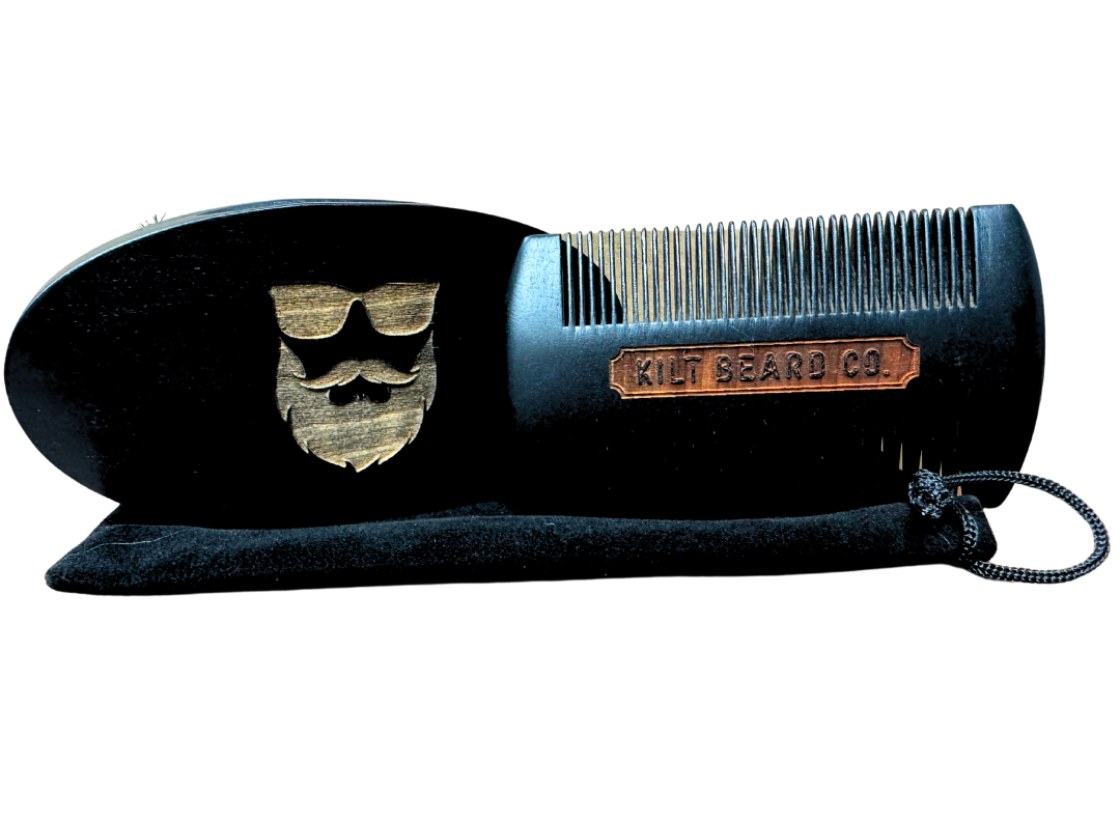
Comb to Detangle and Align: Use a fine-toothed wooden comb to gently work through the beard, starting from the roots and moving outward toward the ends. This helps to redistribute any natural oils and ensures that every whisker is freed from its flattened overnight position. Wooden combs are preferred here because they do not generate static, which can cause the short hairs to fly away.
-
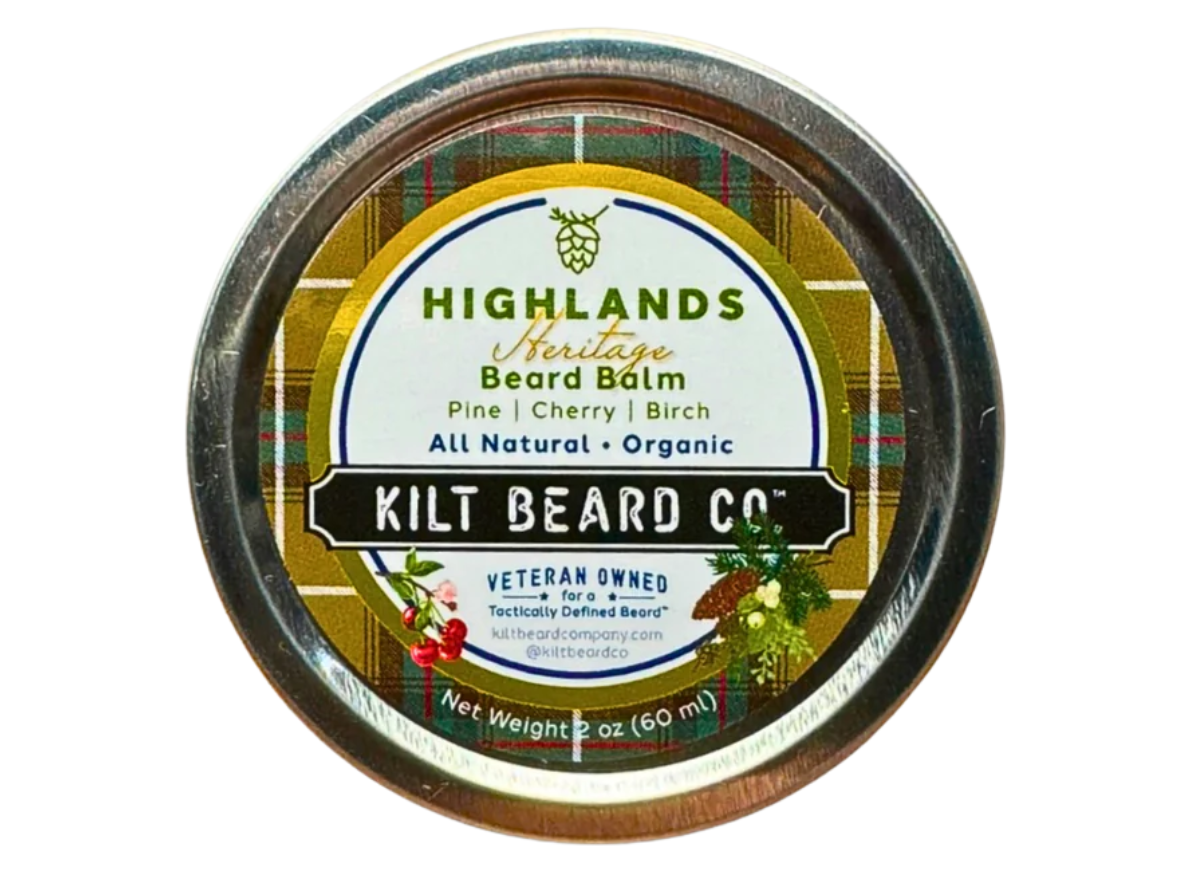
Precision Styling with a Light Balm: Apply a pea-sized amount of beard balm to provide just enough hold to keep the whiskers in place. This will help maintain the neat, trimmed silhouette throughout the day and prevent the "frizz" that often occurs as the morning moisture evaporates. Focus the application on the flyaways at the cheeks and the "soul patch" area to keep the look tight.
-
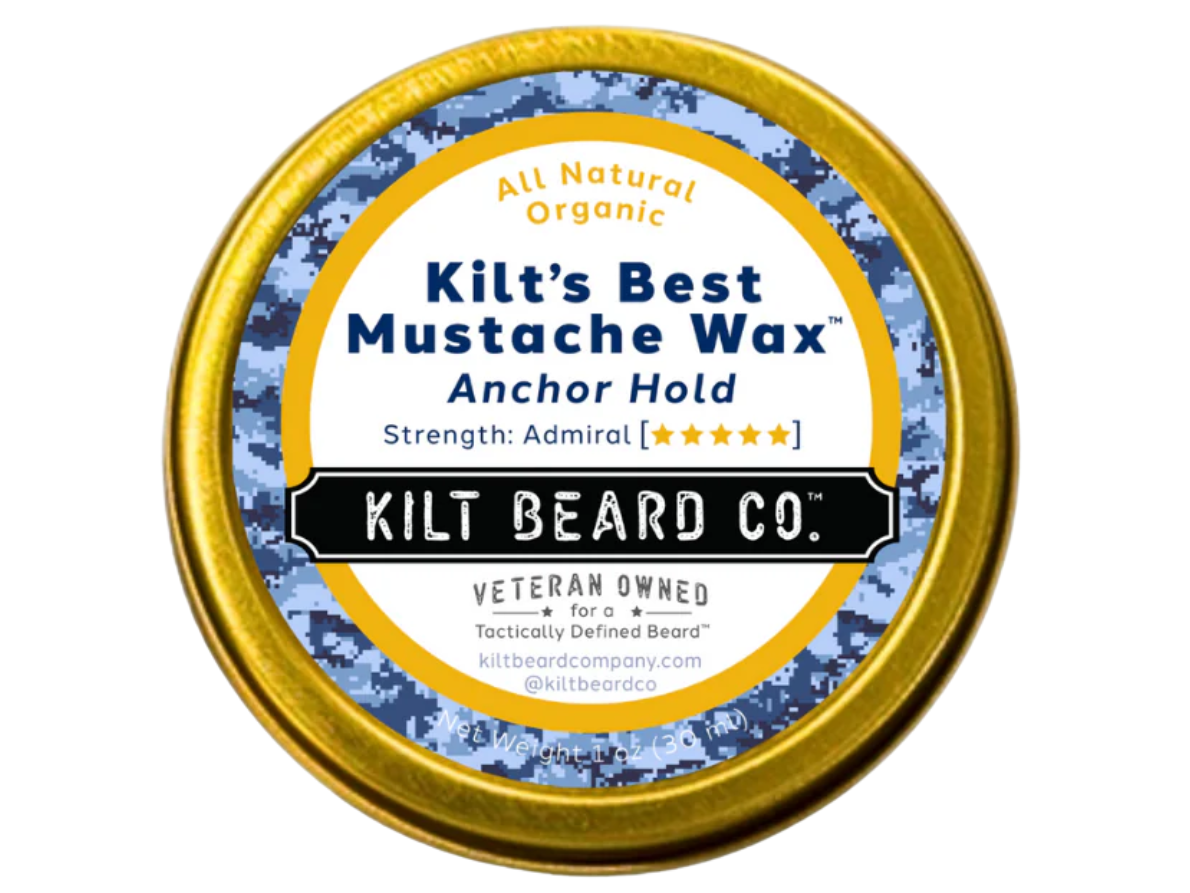
Check the Mustache: Use a small amount of wax or balm to sweep the mustache hairs away from the lip. Overnight, mustache hairs often get pushed into the mouth or flattened against the upper lip, so a quick directional comb is necessary to restore a groomed appearance.
-
Cold Water Rinse: Finish the process by splashing a bit of cold water on the skin around the beard. This helps to close the pores and "lock" the hair cuticles back down, which traps the moisture from your serum and balm inside the hair shaft. It also provides a refreshing finish that helps you feel more alert.
Men Who Have Full, Thick, or Long Beards
When you have a substantial amount of facial hair, the morning struggle becomes a more significant engineering challenge that requires specific tools and techniques. The sheer volume of hair means that moisture loss is more pronounced throughout the layers, and the physical tangles can be quite deep within the thicket of the mane. You cannot simply "brush over" a full beard and expect it to look decent; you must address the layers of hair from the skin to the surface. This requires a dedicated routine that respects the density and length of your growth while providing the necessary nourishment to keep it looking its best.
Men with Full Beards
A full beard needs a balance of volume and control to look its best after a night of compression. You want to focus on "fluffing" the hair back out to restore its natural shape while ensuring the edges remain crisp and defined for a professional appearance. Here’s how you go about doing so:
-
Deep Hydration with a Beard Wash: If the beard is particularly unruly or feels weighed down by yesterday's product, a quick wash with a dedicated beard soap can act as a complete "reset." This removes any product buildup and allows the hair to return to its most natural, neutral state, making it easier to restyle. Ensure you rinse thoroughly, as any soap left behind will cause the beard to feel stiff and dry by noon.
-
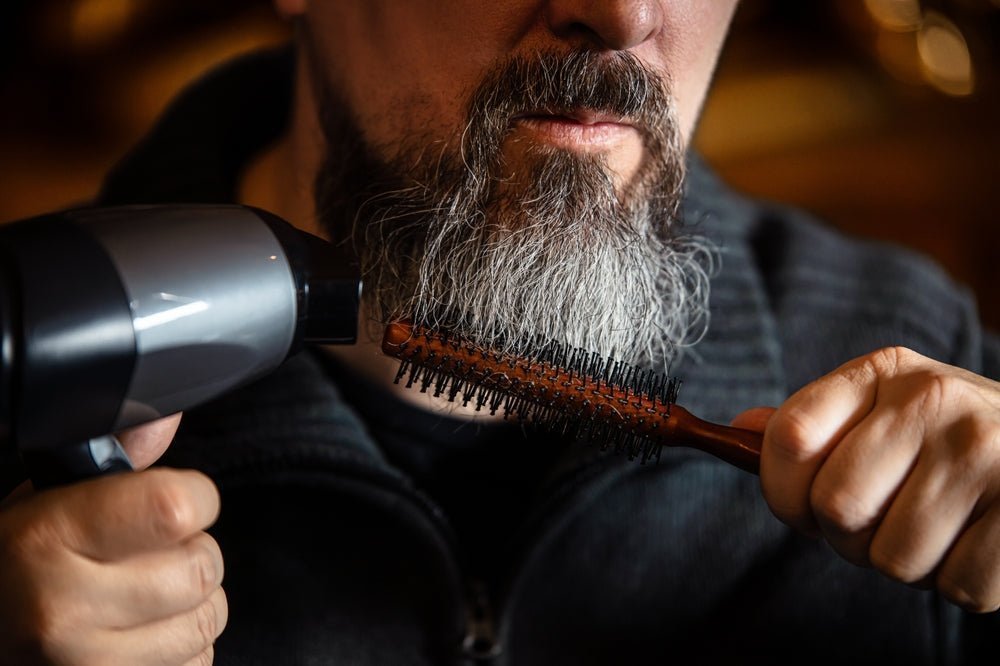
Blow Dry on a Low Heat Setting: Use a hairdryer on a low, cool-to-warm setting while brushing the hair downward with a round brush or a firm boar hair brush. This use of controlled heat and tension is the most effective way to remove the deep-set creases caused by sleeping on your face. Always keep the dryer moving to avoid damaging the hair with localized heat, and finish with a "cool shot" to set the shape.
-
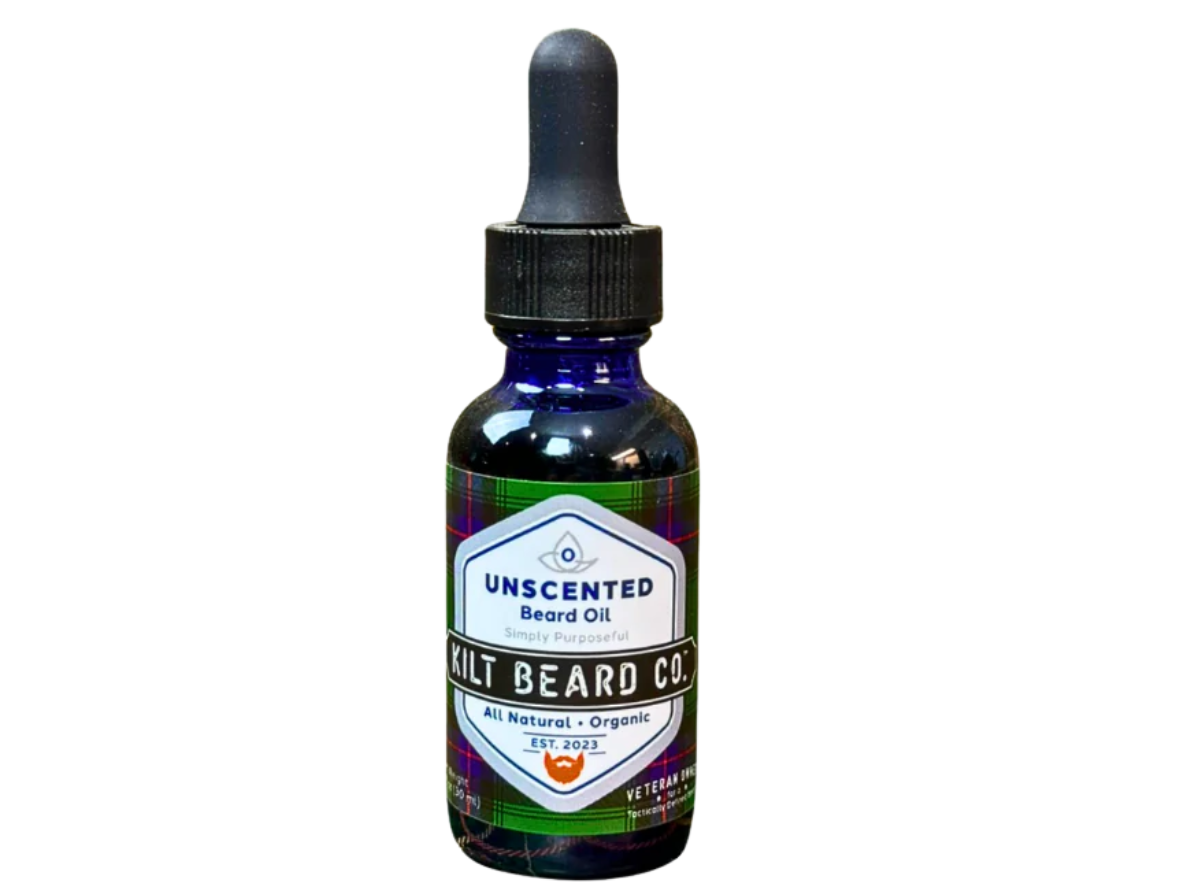
Apply a Nutrient-Rich Beard Oil: Once the hair is mostly dry but still slightly warm, massage a generous amount of beard oil into the skin and through the length of the hair. The warmth helps the oil penetrate the hair shaft more effectively, ensuring that the foundation is hydrated. This step is crucial for preventing the "beard-druff" that often plagues men with fuller growth.
-
Finish with a Wide-Toothed Comb: Use a wide-toothed comb to give the beard its final shape without pulling out the volume you just created with the blow dryer. This provides a more natural, rugged look while still appearing completely intentional and well-groomed. The wide teeth allow the hair to clump naturally, which gives the beard a thicker and more cohesive appearance.
-
Scissor Trim Flyaways: Occasionally, some hairs will simply refuse to lay flat regardless of how much product or heat you use. Keep a pair of high-quality grooming scissors handy to snip off these lone "rebels" that disrupt the silhouette of your beard. Do not over-trim; just focus on the individual hairs that are sticking straight out from the sides.
Men with Thick Beards
Thick beards are prone to "shelving", where the hair bunches up in certain areas, making the beard look lumpy or uneven. The density of the hair means you have to work a bit harder to get products all the way to the skin and to remove the "ghost" of your pillow from the depths of the mane. Here’s how you go about doing so:
-
Dampen and Detangle: Lightly mist the beard with water or a grooming spray to provide some initial flexibility to the coarse fibers. Use your fingers to gently probe the thickest parts of the beard to find and release any major knots before you ever touch it with a comb. This prevents the painful pulling that can occur when a comb hits a deep-seated tangle in a thick beard.
-
Sectional Application of Oil: Because of the density, you should apply your beard oil in sections, making sure to reach the "under-beard" near the neck. This ensures that the coarsest hairs, which are often hidden from view, receive the same level of softening as the more visible surface hairs. If the under-beard remains dry, it will push the top layer outward, causing the beard to look wider than it actually is.
-
Use a Firm Boar Hair Brush: A brush with stiff bristles is necessary to penetrate the density of a thick beard and reach the skin surface. Brushing from the neck upward and then smoothing everything back down, helps to ensure that no "flat spots" remain from the night before. This technique also helps to stimulate blood flow to the skin, which supports a healthier-looking beard environment.
-
Set the Shape with a Heavy-Duty Balm: Thick hair has a mind of its own, so a balm with a slightly higher wax content can be beneficial for providing structural support. This provides the necessary "weight" to keep the thick hair from flaring out at the sides, maintaining a much sleeker and more vertical profile. Focus the balm on the mid-lengths and ends to keep the shape locked in for the entire day.
-
Use a Beard Straightener (Optional): For extremely thick and curly beards, a heated beard straightening brush can be a lifesaver in the morning. Use it on a low setting to gently pull the curls out into a more manageable wave, which reduces the overall "puffiness" of the beard. Always apply a heat-protectant product before using any heated tools to prevent the hair from becoming brittle.
Men with Long Beards
Long beards are the most susceptible to "mechanical" damage and severe tangling, often resulting in a "forked" appearance in the morning. Your priority is protecting the length you've spent months or years growing and preventing the ends from becoming brittle and prone to split ends. Here’s how you go about doing so:
-
Finger-Combing First: Never go straight in with a brush on a long morning beard, as the tangles at the ends are likely quite tight. Use your fingers to gently tease apart the "bird's nest" areas, which prevents you from accidentally ripping out hairs that are caught in a knot. This patient approach preserves your length and prevents the thinning of the beard over time.
-
Apply a Slip-Enhancing Serum: Use a serum designed for long hair to provide a silky coating that allows the hairs to slide past each other. This is crucial for long beards, as it reduces the tension on the follicles when you eventually start the grooming process with a comb. A good serum will also add a healthy-looking luster to the length, making the beard look vibrant rather than dull.
-
The "Under-Brushing" Technique: Lean forward and brush your beard from the neck toward the chin, letting the hair hang freely away from your face. This helps to redistribute the weight and removes the flattened appearance that comes from resting your chin on your chest or a pillow. It also helps to "air out" the beard, removing any dust or lint that may have been picked up overnight.
-
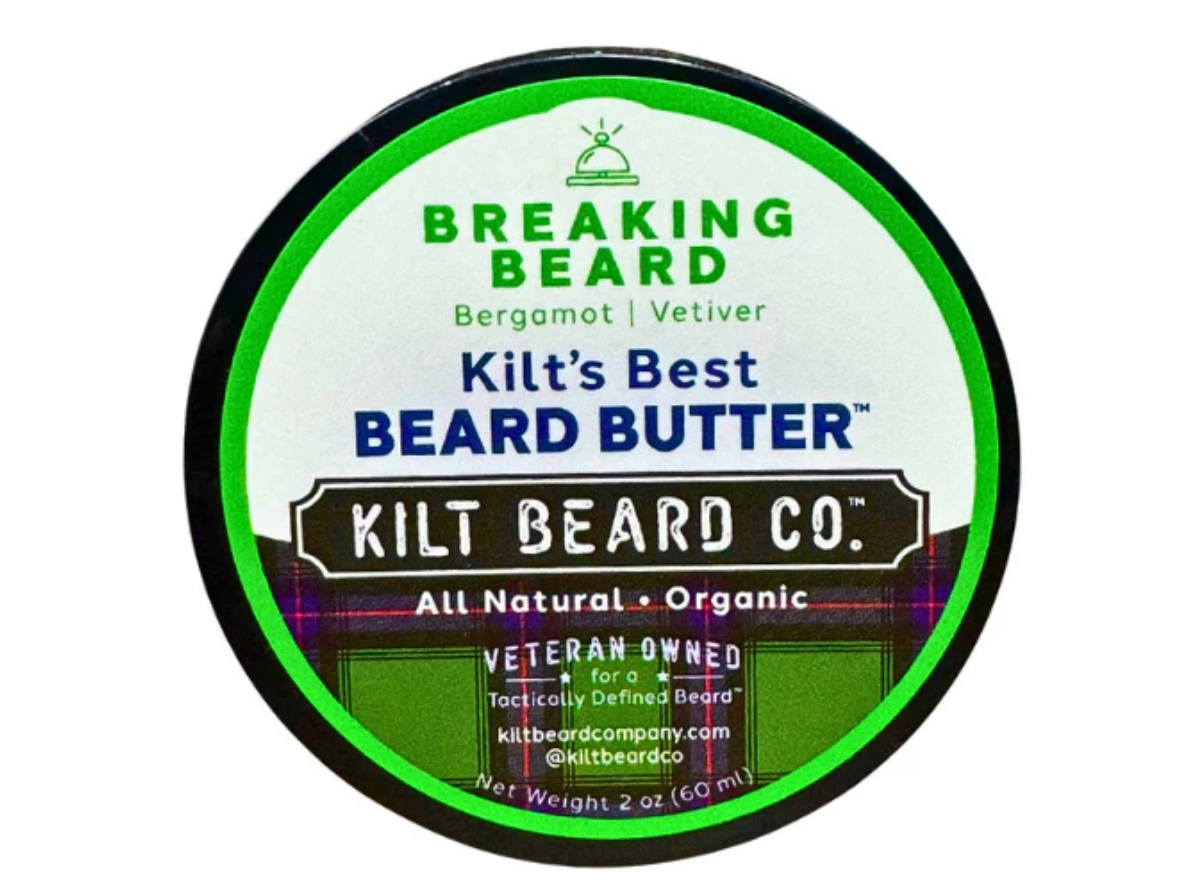
Gravity-Aided Styling: Once detangled, stand upright and use a large wooden comb to smooth the beard down in its natural direction. Finish by applying a small amount of beard butter to the very ends of the hair, as these are the oldest parts of the beard and need the most help to stay soft. The butter provides a soft hold that doesn't make the long hair feel "crunchy" or stiff.
-
The "Cold Air" Finish: If you used any heat or steam to style the length, finish with a blast of cold air from your hairdryer. This helps to close the cuticles along the entire length of the hair, making it look much smoother and shinier. It also "freezes" the shape in place, helping the long mane resist the wind and movement throughout your commute.
What About Nighttime Beard Prep?
The secret to waking up with a mane that looks more like a prize-winning trophy and less like a static-charged tumbleweed starts long before your eyes close for the evening. If you ignore your facial hair until the morning alarm rings, you’re basically allowing the dry air and abrasive fabrics of your bedroom to have their way with your whiskers for several hours.
Transitioning into a state of sleep requires a specialized layer of defense that shields each fiber from the drying effects of your home's climate. By setting up a protective perimeter at night, you drastically reduce the heavy lifting required during your sunrise grooming session. This evening ritual is about creating a moisture-rich environment that allows the hair to recover and soften while you are deep in your dreams. Rather than simply diving into sleep and hoping for the best, you should implement the following targeted maneuvers to build a lasting shield around your whiskers:
-
Refresh with a Gentle Evening Rinse: Before applying any therapeutic products, use a very mild wash or just lukewarm water to clear away the dust and grit that naturally accumulates throughout your day. This provides a clean surface that allows your nighttime treatments to actually penetrate the hair shaft instead of being blocked by a layer of environmental pollutants or old styling wax. By removing the daily buildup, you provide a fresh canvas that allows the botanical ingredients in your serum and butter to work at their highest efficiency while you sleep.
-
Layer the Recovery Serum First: Apply a generous amount of our Night Watch Beard Recovery Serum to your damp whiskers. This scentless, natural botanical formula is specifically engineered to provide a silky slip layer that sits comfortably under your heavier products. Since it has a light, non-greasy feel, you get high-performance conditioning without the unpleasant sensation of a heavy oil on your skin while you are trying to relax. This serum acts as the foundational layer of hydration, reaching deep into the hair to provide a soft feel that lasts until sunrise.
-
Seal Everything with Barrier Butter: Follow the serum immediately with a coat of our Night Watch Barrier Butter to lock in that newly introduced hydration. This high-butter base acts as an overnight barrier butter that creates a moisture lock, providing long wear for the entire duration of your rest. This formula leads to less breakage and results in a beard that feels noticeably softer by the morning, saving you from that brittle, "crunchy" sensation that usually greets you in the mirror. The rich texture of the butter provides a protective cushion that shields the hair from the drying effects of indoor heating or air conditioning.
-
Perform a Final Distributive Brush: Use a soft-bristle brush to help the serum and butter reach every single hair from the root to the tip. This final bit of grooming helps the product coat the hair evenly and encourages the whiskers to lay in a downward, uniform direction. Taking this extra minute helps the hair "set" in an orderly fashion, which makes your morning revival process much easier to manage because the hair is already trained to sit correctly. This also prevents the product from clumping in one area, providing a consistent feel across the entire length of your beard. As you brush, feel for any small knots that might have survived the cleaning process and gently work them out. It is much easier to remove a small tangle at night than to try to fix a massive, compressed knot in the morning after it has been pressed into your face for eight hours.
-
Maintain Your Environment: If your bedroom air is particularly dry, consider running a humidifier during the night. Adding moisture back into the air reduces the rate at which your hair and skin dehydrate, making the work of your oils and butters much more effective. This environmental control is ideal for men living in harsher or more arid climates.
-
Upgrade to a Friction-Free Pillowcase: Ditch the standard cotton pillowcase in favor of a high-quality silk or satin version. Cotton acts like a sponge and a piece of sandpaper, soaking up your expensive products and snagging the scales of your hair cuticles as you toss and turn throughout the night. A smoother fabric allows your face to move freely without catching, which helps to minimize morning beard by preventing the deep, stubborn creases that traditional fabrics often create. This simple swap is one of the most effective physical changes you can make to preserve the structural integrity of your facial hair.
Routine Beard Consistency is Also Crucial
Maintaining a spectacular mane is less about the occasional deep-conditioning session and more about the daily habits that build a foundation of health and resilience. When consistent with your morning and nightly routines, you’re effectively training the hair and the skin to remain in a state of balance. Over time, the hair becomes more resilient and learns to hold its shape better because it is never allowed to reach that state of extreme dehydration. This predictability makes your morning styling much faster, as you are no longer fighting a desperate battle against a neglected mane.
So, investing in a long-term look that reflects a sense of discipline and masculine self-care can be done through the following key factors:
-
Training the Hair Direction Over Time: Consistent brushing and styling help the hair follicles to eventually "lie" in the desired direction, which simplifies your morning routine significantly. While you can't change the way hair grows out of the skin, you can certainly influence how it sits, making the morning "reset" much less of a struggle as the hair becomes more cooperative. This directional training is especially helpful for taming "cowlicks" or patches that tend to flare out at the jawline.
-
Building a Cumulative Moisture Reservoir: When you apply oils and butters every single day, the hair shaft becomes more saturated with the beneficial lipids it needs to stay healthy. This means that if you happen to miss a night or have a particularly rough sleep, the beard has a "buffer" of health that prevents it from immediately turning into a dry, frizzy mess. Think of it as a savings account for your hair health that you contribute to daily.
-
Preventing the Build-Up of Sub-Surface Issues: Regular cleaning and moisturizing prevent the accumulation of dead skin and old products that can cause the beard to feel stiff and "stale." A consistent routine ensures that you are always starting with a fresh, clean canvas, which is vital for the products to work at their highest efficiency. This also keeps the skin underneath clear and healthy-looking, so that way, your skin doesn't itch.
-
Developing a "Muscle Memory" for Styling: The more often you perform your morning revival routine, the more intuitive and faster it becomes. You will start to recognize exactly how much product your beard needs on a given day and which areas require a bit more attention with the brush, leading to a more polished look in half the time. Eventually, the routine will become second nature, something you can do almost on autopilot while you have your morning coffee.
-
Reinforcing the Hair Tips' Integrity: The ends of your beard are the most vulnerable and the oldest part of the hair, requiring the most constant care. Consistent application of protective products ensures that these tips don't split or fray, which is the only way to achieve significant length while maintaining a thick, full-looking appearance. If you ignore the tips, you will eventually have to trim away all the growth you've worked so hard to achieve.
-
Commit to Regular Silhouette Refinement: Use professional grooming scissors once a week to snip away any stray flyaways that disrupt the clean lines of your beard. This prevents individual hairs from becoming overly long and prone to tangling with their neighbors, which is a major contributor to morning knots. Maintaining a crisp edge through regular maintenance prevents the beard from looking like an accidental growth and reinforces its status as a deliberate style choice.
-
Creating a Moment of Personal Discipline: A grooming routine serves as a daily anchor that reinforces a sense of order and self-respect in your life. Taking those five to ten minutes each morning and night to care for your appearance sets a positive tone for the rest of your day, showing that you are a man who pays attention to detail and values quality. This psychological benefit is often just as valuable as the physical improvement in your beard's texture.
-
Minimizing the Need for Emergency Fixes: When your beard is consistently cared for, you rarely encounter "bad beard days" that require drastic measures. You won't find yourself needing to use extreme heat or excessive amounts of wax to force a neglected mane into place. This gentle, consistent approach is far better for the long-term health of your facial hair and the skin on your face.
-
Monitor and Adjust Based on Climate: Pay attention to how your beard reacts to changes in the weather and adjust the amount of product you use accordingly. During drier winter months, you may need a slightly heavier application of butter, while a lighter oil might suffice during the humid summer. This consistent observation allows you to stay ahead of dehydration and maintain a healthy-looking beard environment regardless of the external conditions.
Seizing the Morning Mane
Facing that morning mirror reflection isn’t just about fixing a messy patch of hair; it is the first act of asserting control over your day. A beard that feels soft and looks intentional stands as a silent testament to a man who refuses to let circumstances—or a few hours of sleep—dictate his appearance.
Taking those few extra moments to hydrate and shape your whiskers transforms a routine chore into a foundational ritual of self-respect. When you prioritize that barrier of protection and the infusion of botanical nutrients, you are building a legacy of health that shows up in every strand. It is the vast difference between simply growing facial hair and truly curating a signature look that demands a certain level of admiration.
Your daily habits serve as a constant reminder that quality is never accidental, but rather the result of choosing the right tools and sticking to a higher standard. Walk out the door with a sense of pride, knowing that your well-maintained mane is a vivid extension of the discipline you bring to every other part of your life. That soft, resilient texture under your fingertips is more than a grooming win; it is the physical proof that you’ve mastered the morning struggle.