
Seeing a handful of hair in the sink after a morning wash can make any guy feel like his face is slowly abandoning him. It is one of those quiet moments of panic that hits right when you think your grooming routine is finally dialed in. Most of the time, your body is just doing its regular maintenance, but it is still worth knowing when your facial hair is in trouble. We are going to look at why those strands are jumping ship and how you can step in to help your beard stay exactly where it belongs. This is about being smart with your routine so you can stop worrying and get back to looking like yourself.
The Sink Math and the Reality of Shedding
The first thing you need to do when you see a few hairs in the drain is take a deep breath. Every man loses hair every single day, whether it is from his head or his face. On average, a guy might lose up to a hundred hairs a day from his scalp. Your beard follows a similar pattern, though the numbers are lower because you have fewer follicles on your chin than on your head. When you have a short beard, these fallen hairs are invisible. They fall off while you’re walking or working, and you never notice them.
As that beard gets longer, those same fallen hairs become a lot more obvious. A six-inch hair curled up in the sink looks like a massive loss, even though it is just one single strand. This is a natural part of the biological cycle. If you see a tiny white bulb at the end of the hair, that is actually a positive sign. It means that hair reached the end of its life and was pushed out by a brand new hair that is already growing in its place. You aren't losing the follicle; you're just clearing the way for the next generation.
Actual hair loss looks a lot different than a few stray hairs in the basin. Real loss mostly shows up as thinning patches where you can suddenly see skin that was covered before. It might also look like circular bald spots that seem to appear out of nowhere. If your beard feels lighter or thinner across the whole face, rather than just seeing a few strands after a shower, then you are moving into the territory of actual hair loss. Grasping the distinction between these two helps you avoid the kind of stress that can actually make the problem worse.
The Biological Clock of a Whisker
Your beard doesn't just grow at a steady rate until you die. It operates in phases. Every single hair on your face is in one of three stages at any given time. If every hair was in the same stage, you would go through months of having a thick beard followed by months of being completely hairless. Thankfully, the follicles work on their own schedules.
The first stage is the Anagen phase. This is the active growth period. The cells in the root of the hair are dividing rapidly, and the hair is physically getting longer. For facial hair, this phase can last anywhere from a couple of years to much longer, depending on your genetics. This is what determines your "terminal length." If your growth phase is short, you might find that your beard stops getting longer at a certain point no matter what you do. During this time, the hair is firmly anchored and healthy.
Next comes the Catagen phase. This is a short transition that lasts a few weeks. The hair stops growing and detaches itself from the blood supply. It is just sitting there, not doing much, but it hasn't fallen out yet. Finally, there is the Telogen phase. This is the resting stage. The hair stays in the follicle for a few months while a new hair starts to form underneath it. Eventually, that new hair pushes the old one out, and the cycle starts all over again. Most of the shedding you see in the morning is just the result of this final stage doing its job.
Why Your Beard Feels Thinner Than It is
Sometimes, a beard looks like it is thinning when the follicles are actually perfectly fine. This is often a result of the "density" of the hair changing. As we age, the diameter of individual hair strands can change. If the hair gets finer, the beard looks less full, even if the number of hairs remains the same. This is where your grooming routine becomes your best friend.
Another factor is light. If you’re looking at your beard under harsh bathroom lights, you will see more skin. This isn't hair loss; it is just physics. Many men panic because they see their skin through their beard in the mirror, but they forget that facial hair is not a solid wall. It is a collection of individual strands with space in between. Before you decide you are going bald on your chin, check your beard in natural sunlight. You might find that it looks a lot fuller than it does under a fluorescent bulb.
Stress also has a role in how your beard looks. When under a lot of pressure, your body produces chemicals that can force more hairs into the resting phase at once. This is called telogen effluvium. It doesn't happen overnight. Usually, you see the results of a stressful month about two or three months later. You’ll notice more hair in your brush and a general lack of volume. Fortunately, this is usually temporary. Once you get your stress under control and your body recovers, those follicles will switch back into the growth phase.
The Foundation: Why Skin Health is Non-Negotiable
If you want a thick beard that stays on your face, you have to stop thinking about the hair and start thinking about the skin. The skin is the soil where your beard grows. If that soil is dry, cracked, or inflamed, the hair is going to suffer. Healthy skin provides the nutrients and the stable environment that a follicle needs to produce a strong strand of hair.
When your skin gets too dry, it can become tight and itchy. This often leads to "beardruff," which is just dead skin cells flaking off. But beneath those flakes, the dryness is putting pressure on the roots of your hair. Brittle skin leads to brittle hair. If the hair is dry, it loses its elasticity. Instead of bending when you touch it, it snaps. This is a huge cause of what guys think is hair loss. You aren't losing the hair at the root; it is simply breaking off halfway down because it is too dry to survive.
Maintaining the skin's hydration is a daily job. Your body produces a natural oil called sebum, which is meant to keep your skin and hair conditioned. However, as your beard grows longer, it acts like a wick, pulling that oil away from the face and out into the hair. Your skin can’t always keep up with the demand. This is where you have to step in with external help to make certain the foundation remains solid.
Stripping the Life Out: The Danger of Harsh Soaps
One of the quickest ways to ruin a beard is to use the wrong soap. Most guys grew up using a standard bar of soap or a cheap body wash for everything. While that might work for your armpits, it is a disaster for your face. Standard soaps are designed to strip away grease and grime. They are harsh and highly alkaline, which destroys the natural protective layer of your skin.
When using these harsh cleaners on your beard, you’re stripping away every drop of sebum oil. This leaves the hair cuticles open and exposed. When the cuticle is open, moisture escapes, and the hair becomes rough and prone to tangling. Tangled hair gets pulled out when you comb it. This is mechanical loss that you can stop today just by switching your soap.
A dedicated beard wash or a gentle beard soap is formulated to work with your face. These products focus on cleaning the hair without nuking the skin’s natural defenses. They often include fats and oils that help replenish what the washing process takes away. By using a wash that respects the biology of your face, you help the hair stay anchored and flexible. You want a product that lathers enough to get the dirt out but leaves your face feeling soft, not tight.
The Chemistry of Proper Rinsing and Temperature
It isn't just about the soap you use; it is about how you rinse. Many men leave a film of soap or shampoo behind, especially in a thick beard. This residue can dry into a crust that irritates the skin and clogs the follicles. A clogged follicle can become inflamed, which leads to a condition that can temporarily stop hair growth or cause the hair to fall out prematurely. You have to be thorough. Spend an extra minute under the water to make sure every bit of suds is gone.
You should also consider the temperature of the water. We all love a hot shower, but scalding water is another way to strip oil and irritate the skin. Lukewarm water is the sweet spot. It is warm enough to open the pores and get the hair clean, but not so hot that it causes inflammation. Inflammation is a known enemy of healthy hair growth. By keeping the temperature down, you are protecting the root of the hair from heat stress.
After you wash, a beard conditioner is a vital step. Think of conditioner as a sealer. While the wash cleans, the conditioner smooths down the hair cuticle and adds a layer of protection. This makes the hair much softer and easier to manage. When the hair is soft, you aren't fighting with knots, which means you aren't accidentally yanking out hair during your morning groom. It’s a simple addition to the routine that pays off in a much fuller-looking beard.
The Gear and the Shield
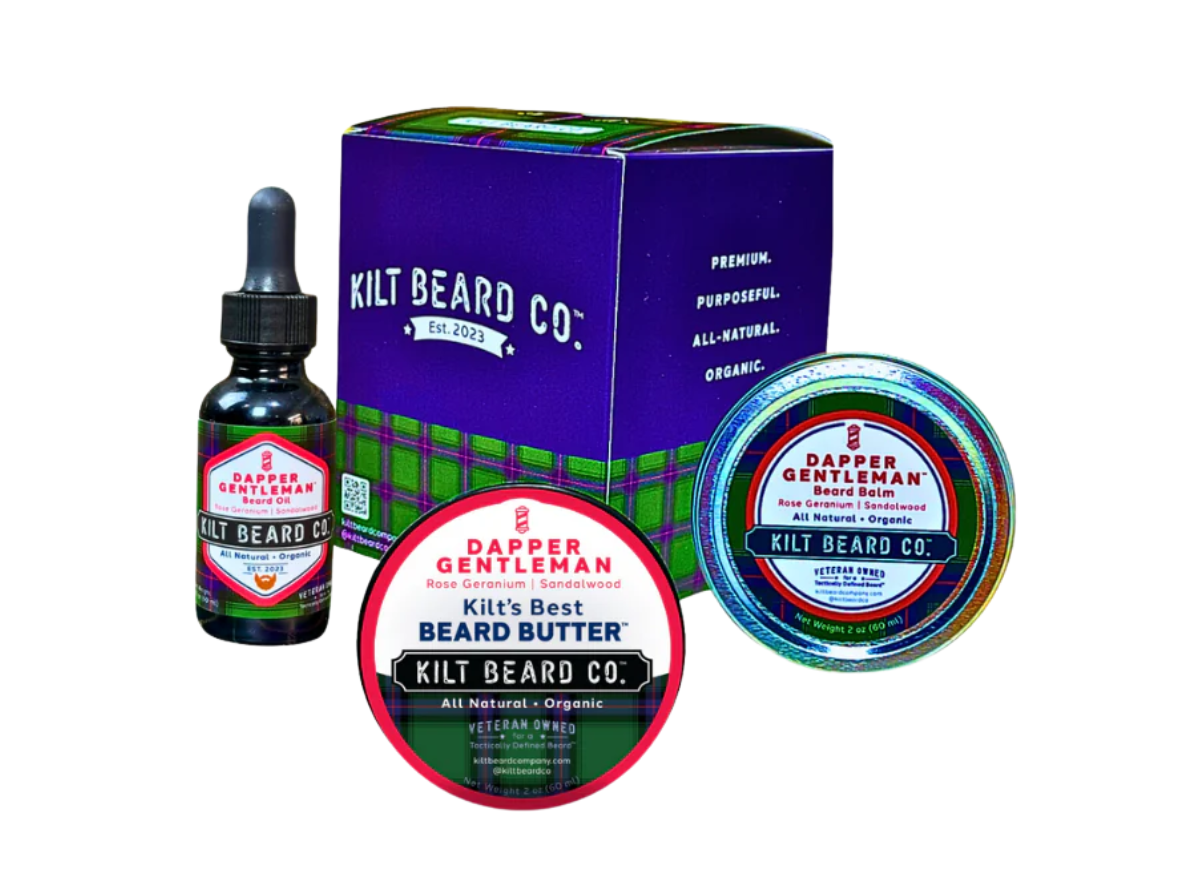
Once you have the washing part of your routine figured out, you have to look at the next step of defense. If you want to stop seeing hair in the sink, you have to protect the hair that is currently on your face. This is where the hydration trio comes into play. Think of these products not as luxury items, but as a protective shield for your follicles and the skin they grow out of. When hair is dry, it is fragile. When skin is dry, it is stressed. We are going to break down how to use these items to make sure your beard stays strong and anchored.
The First Line of Defense is Beard Oil
A lot of men think beard oil is about making the hair look shiny, but that is just a side effect. The real work happens at the skin level. As we talked about earlier, your face can only produce a certain amount of sebum oil. When your beard reaches a certain length, it acts like a sponge, soaking up that oil and leaving your skin bone-dry. This leads to the "beard itch" that makes many guys shave. But more importantly, dry skin is a weak foundation.
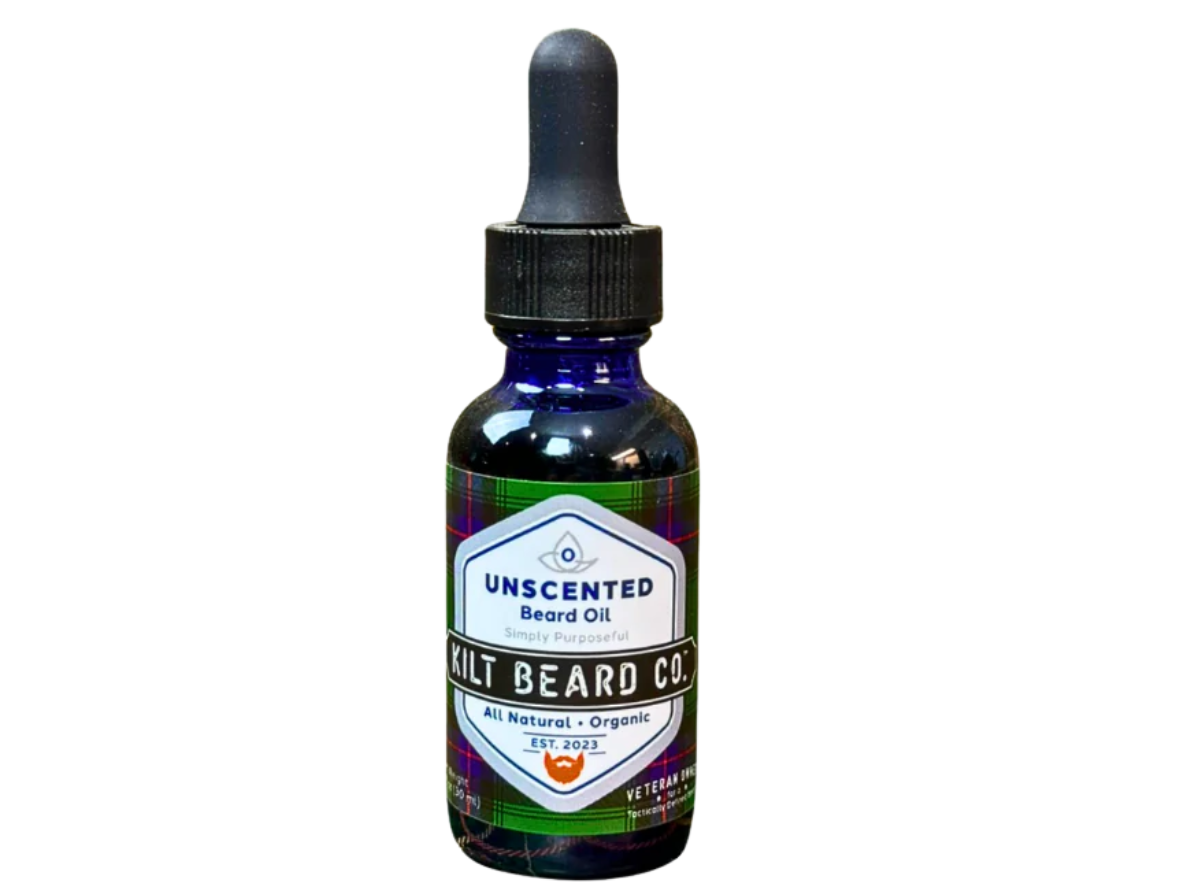
Beard oil is designed to mimic that natural sebum. By applying a few drops every morning, you are manually putting back the moisture that your beard has taken away. This keeps the skin soft and pliable. When the skin is healthy, the hair follicles can focus on growing hair instead of dealing with inflammation or dryness. Look for oils that use high-quality carrier oils like jojoba or argan. These oils are light and absorb quickly, so you don't feel like you have a greasy face all day.
To apply it correctly, you need to get the oil down to the skin. Rub it into your palms and then work your fingers through the beard, starting from the neck and moving up. You want to massage the skin, not just coat the top of the hair. If you are only putting oil on the outside of the beard, you are missing the point. Getting that oil to the root helps the hair stay flexible from the moment it leaves the skin.
Deep Conditioning with Beard Butter
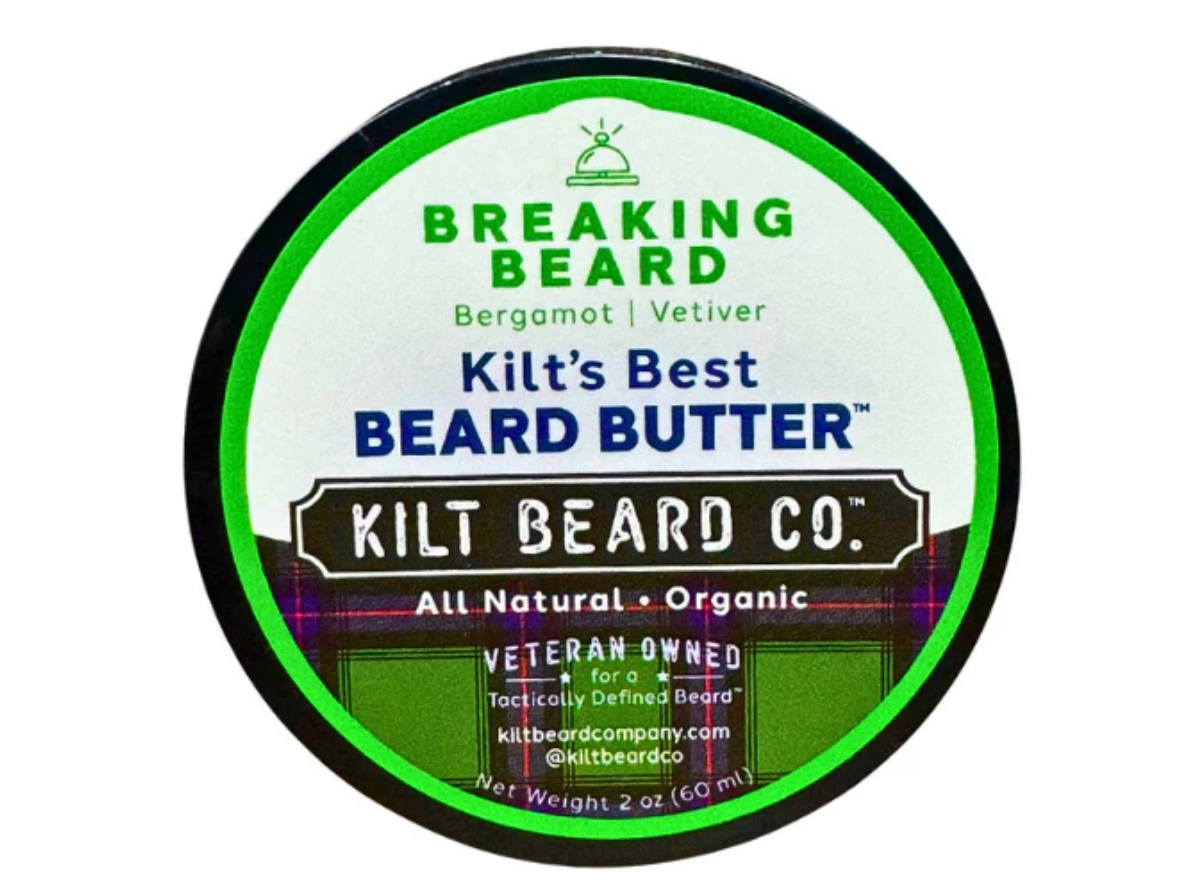
If beard oil is for the skin, beard butter is for the hair. Butter is typically a blend of natural fats like shea butter, cocoa butter, and mango butter, mixed with a bit of oil. It has a creamy consistency that is much thicker than oil but softer than balm. The primary job of butter is to soak into the hair strand and provide deep, long-lasting conditioning:
-
Soften the hair: Brittle hair snaps. Butter makes it soft.
-
Manage flyaways: It gives a light, natural weight to the beard.
-
Night-time repair: Many guys apply it before bed so it can soak in overnight.
-
Matte finish: Unlike oil, it doesn't leave a heavy shine.
When your beard hair is soft, it is much less likely to snag on your collar or get caught in your fingers. Reducing that friction is a major part of preventing mechanical loss. If you find that your beard feels like a handful of dry straw, butter is your best friend. It provides the nutrients the hair needs to stay elastic. A beard that can bend without breaking is a beard that stays full and thick.
Beard Balm’s Role is Locking It In
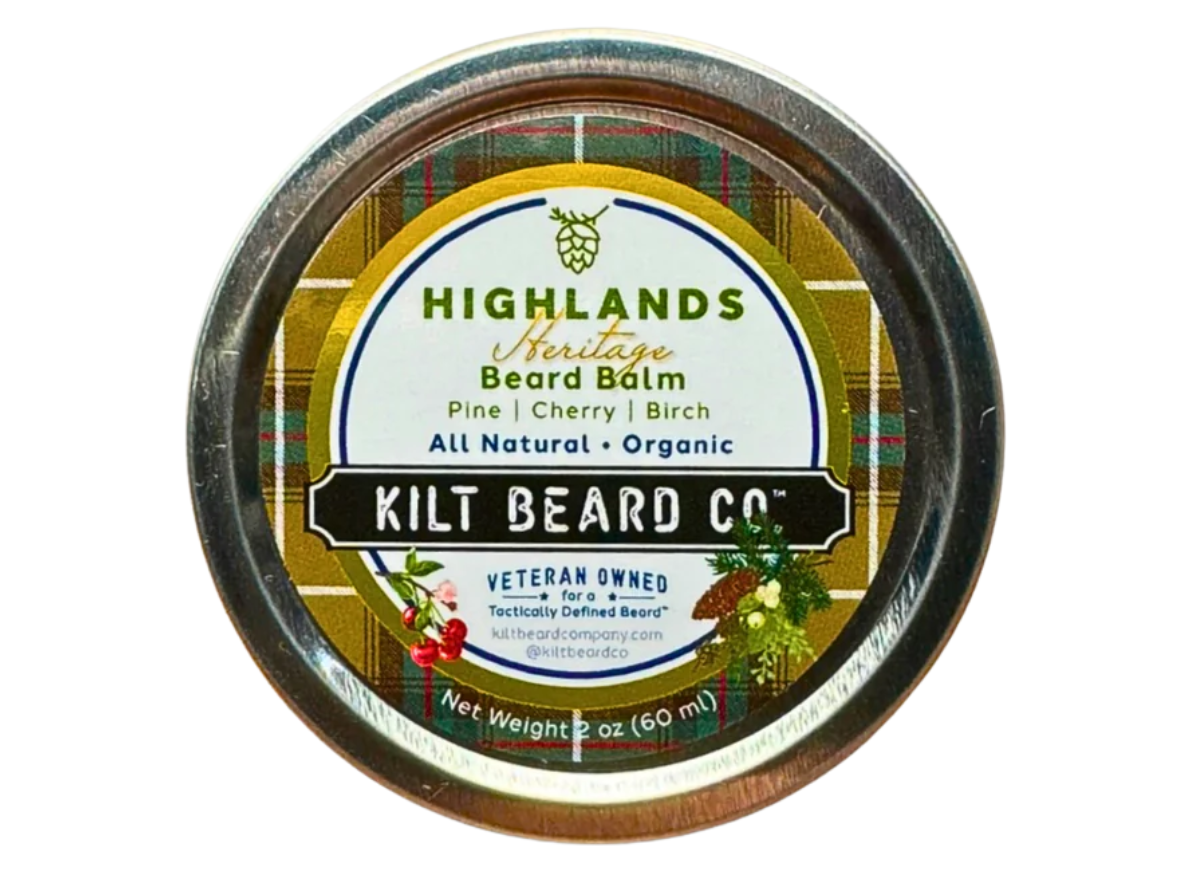
Beard balm is the heavy-duty version of butter. It contains many of the same ingredients but adds beeswax into the mix. Balm serves two purposes. First, it provides a bit of hold so you can shape your beard and keep it looking neat. Second, and more importantly for hair loss, it creates a physical barrier. It locks the moisture from your oil and butter into the hair and skin.
If you spend a lot of time outdoors, especially in the wind or cold, the air is constantly trying to suck the moisture out of your face. This is one of the most common causes of seasonal thinning. The hair dries out, becomes brittle, and breaks off. A good layer of balm acts like a jacket for your facial hair. It stops the environmental damage before it can start.
When applying balm, you want to warm a small amount between your fingers until it melts. If you try to put cold, hard balm into your beard, you are going to end up pulling on the hairs, which is exactly what we want to avoid. Once it is soft, work it through the beard and then use a brush or comb to distribute it evenly. This ensures every hair is coated and protected from the root to the tip.
The Power of Beard Serums
For many guys who are seeing actual thinning or patches, a standard routine might not feel like enough. This is where beard serums come in. A serum is a more concentrated formula than a standard oil. It is often packed with specific vitamins and extracts that are designed to support the skin and encourage a healthy growth environment.
Serums are often used to target specific "problem areas" where the hair seems to be lagging behind. While they are not a "fix-all" for genetics, they can help by providing an extra boost of nutrients to the follicles. Think of it like giving your face a high-quality fertilizer. It gives the follicles everything they need to stay in the growth phase for as long as possible.
The best way to use a serum is after a wash when your pores are open. This allows the active ingredients to penetrate deeper into the skin. You don't need much—just a few drops massaged into the areas where you want to see more density. If you are consistent with it, you are giving your beard the best possible chance to fill in over time.
Style and Health Happen with Mustache Wax and Beard Spray
We can't forget the mustache and the finishing touches.
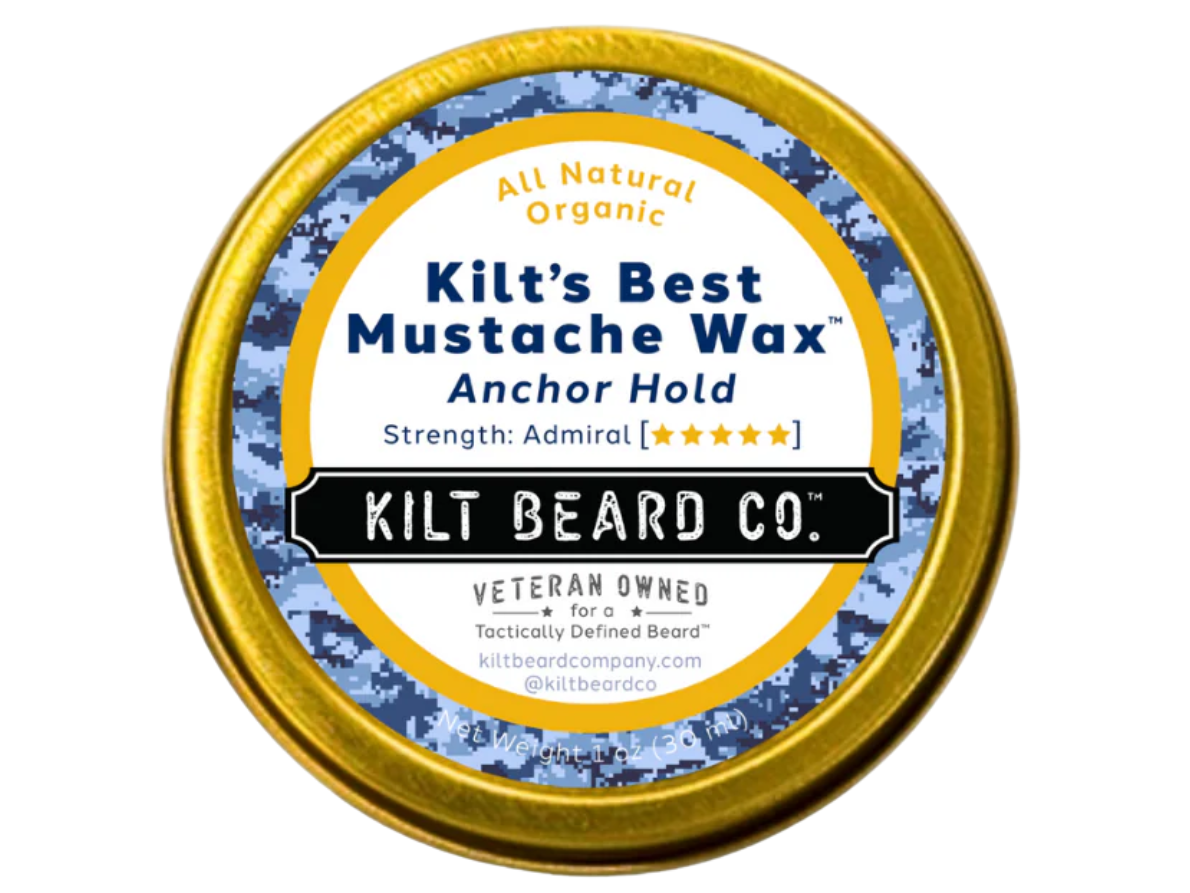
Mustache wax is a much firmer product than beard balm, designed to hold the hair away from your mouth. From a health perspective, this is actually useful. When mustache hair gets in your mouth, you tend to chew on it or pull at it with your teeth. This is a fast track to pulling out hairs or causing split ends. Using a bit of wax keeps the hair in place and away from trouble.
Beard sprays are a newer addition to the grooming world, and they are perfect for mid-day maintenance. If you work in an office with dry air or spend the day in the sun, your beard can start to feel crunchy by lunch. A quick spray of a water-based, alcohol-free beard mist can add a burst of hydration. It refreshes the hair and keeps it from becoming so dry that it breaks when you touch it. When using a spray though, make sure to:
-
Stay away from alcohol: Many sprays use alcohol as a base, which will dry your beard out faster than the sun.
-
Look for aloe or rosewater: These ingredients are gentle and provide instant moisture.
-
Carry it with you: It’s a simple way to maintain your beard health when you aren't at home.
The Dangers of Cheap Hardware
Now we have to talk about the physical things you put in your beard. You can spend a fortune on the best oils and butters, but if you are using a cheap plastic comb from the grocery store, you are sabotaging yourself. Most mass-produced plastic combs are made in a mold. This process leaves a tiny, jagged seam on every single tooth of the comb. These seams are like microscopic saws that rip at the hair as you pull the comb through.
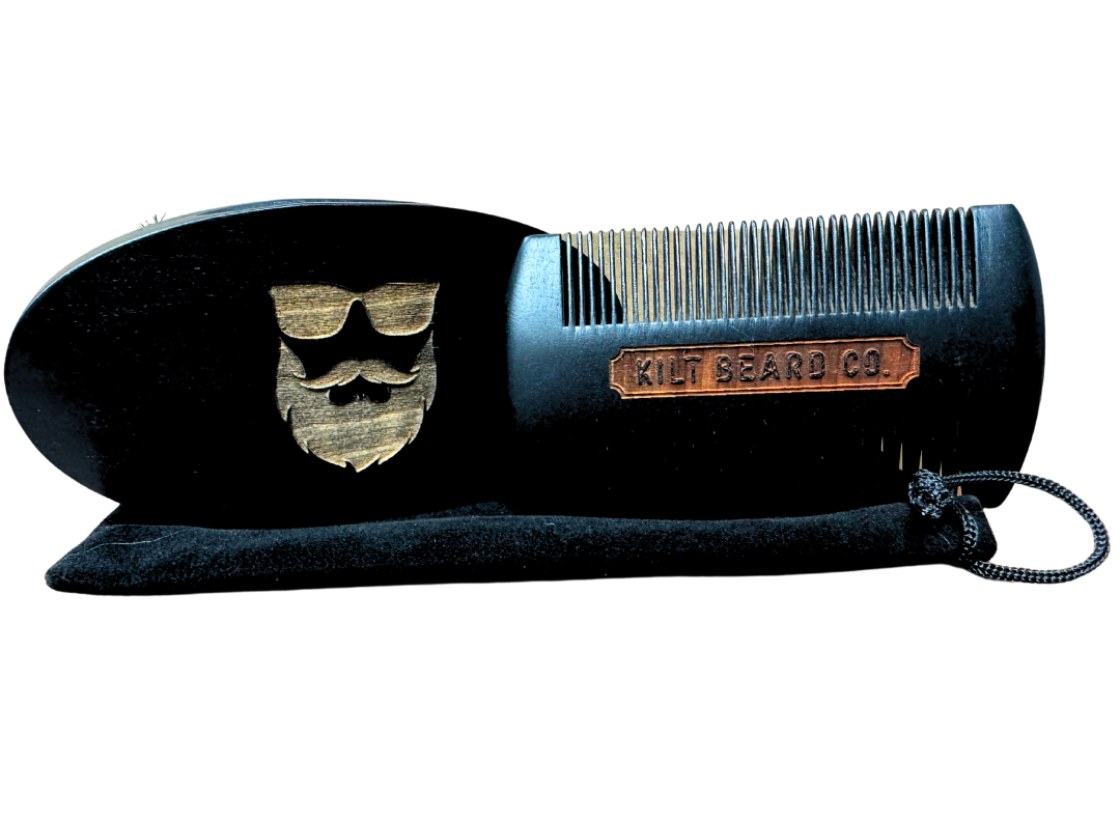
This leads to "mechanical loss". You are literally sawing through the outer layer of your hair, which leads to split ends and breakage. In some cases, the comb snags so hard that it yanks the hair out by the root. To fix this, you need to switch to a hand-cut and polished comb. These are made from materials like wood or cellulose acetate and are finished by hand to make sure every tooth is smooth as glass.
A high-quality comb glides through the hair without snagging. This means you aren't fighting with your beard every morning. You can detangle it gently, which keeps the hair on your face where it belongs. It is a one-time purchase that can save thousands of hairs over the course of a year.
The Benefits of a Boar Hair Brush
While a comb is for detangling, a brush is for conditioning and cleaning. A firm boar hair brush is the gold standard for a reason. The bristles are natural hair, which means they have a similar structure to your own beard. They are excellent at picking up the oils from your skin and distributing them all the way down the length of the hair.
Using a brush daily helps to:
-
Exfoliate the skin: It clears away dead skin cells that can clog follicles and cause irritation.
-
Train the hair: It helps the hair grow in a certain direction, which can cover up thin spots.
-
Distribute product: It makes sure your oil and balm are covering every single strand.
-
Stimulate blood flow: A gentle brushing session brings blood to the surface of the skin, which helps deliver nutrients to the follicles.
You have to be careful not to overdo it, though. Brushing too hard or too often can irritate the skin and lead to inflammation. You want to use a firm but gentle stroke. If your skin feels sore after brushing, you are using too much pressure. Treat it like a massage for your face, not a scrub for a dirty floor.
Combining the Gear for a Daily Shield
The secret to a full, healthy beard isn't just one product; it is how you combine them. A solid daily routine creates a cumulative effect that protects your beard from all angles. Start with a clean base using your beard wash. Follow it up with oil while the skin is still slightly damp. This helps the skin absorb the moisture.
Next, apply your butter or balm depending on your needs for the day. Finally, use your hand-cut comb to get the tangles out and finish with a boar hair brush to lay everything down and distribute the oils. This simple process takes less than five minutes, but it creates a protective barrier that lasts all day. By reducing friction, providing nutrients, and blocking environmental damage, you are making it as easy as possible for your body to grow a thick, impressive beard.
When taking the time to use the right items in the right order, you stop the cycle of breakage and shedding that makes a beard look thin. It is about being a good steward of what you have. Your beard wants to grow; you just have to give it the right environment and the right gear to do it.
The Outside Elements and the Internal Engine
Building a solid routine with oils and combs is the first half of the battle, but you also have to look at the world around you. Your beard doesn't exist in a vacuum. It is constantly being hit by the weather, the water in your pipes, and even the fabric of your clothes. If you want to stop the thinning and breakage, you have to account for these external forces that can slowly wear down even the toughest facial hair. We are also going to look at the internal side of things, because what you put into your body is just as important as what you put on your face.
The Invisible Enemy in Your Pipes: Hard Water
Most guys don't think twice about the water coming out of their showerhead, but it can be a silent killer for a thick beard. If you live in an area with hard water, that liquid is packed with minerals like calcium and magnesium. Every time you wash your face, these minerals can settle on your hair strands. Over time, they create a scaly buildup that makes the hair feel stiff, dry, and straw-like.
When this buildup happens, the hair loses its ability to absorb the oils and butters you are applying. You might find that your beard feels greasy on the outside but bone-dry on the inside. This lead to massive breakage. The hair becomes so brittle from the mineral coating that it simply snaps off during your morning brush. If you notice that your beard feels rough no matter how much oil you use, hard water might be the culprit. You can fix this by using a clarifying wash once a month or by installing a shower filter to catch those minerals before they hit your face.
UV Damage and the Sun’s Effect on Your Beard
We all know about sunburn on our skin, but the sun also does a number on our facial hair. Long-term exposure to UV rays can physically degrade the protein structure of your hair, a process known as oxidation. This weakens the hair shaft and can lead to a change in color and a loss of strength. If you work outside or spend a lot of time in the sun, your beard is taking a beating every single day.
Sun-damaged hair is much more prone to thinning and splitting. The heat can also sap the moisture from your skin, leading to the dryness we talked about earlier. To protect your beard, you can use products that contain natural oils with a bit of sun-shielding properties, or simply wear a wide-brimmed hat when you are out in the heat for a long time. Providing that extra layer of defense can help your beard retain its natural thickness through the summer months.
Friction and the "Silent Pull"
Mechanical hair loss doesn't just come from bad combs. It can come from your daily habits. If you wear a heavy scarf in the winter, the constant rubbing of the fabric against your chin can physically pull hairs out or cause them to break. The same goes for chin straps on helmets or even the way you lean your face on your hand while sitting at a desk. This constant friction is a slow process of attrition that leaves your beard looking thin in specific spots.
You also have to be mindful of your clothing. Rough fabrics like wool can snag on the scales of your hair and yank them. If you find that you are losing more hair in the winter, look at your gear. Switching to a silk-lined scarf or being more conscious of how you touch your face can make a massive difference. By reducing the physical stress on the follicles, you allow the hair to stay anchored for its full natural life.
The Internal Engine: Fueling Your Growth
Your beard is a reflection of your overall health. To grow a thick, strong beard, your body needs the right building blocks. This starts with protein. Hair is made of a protein called keratin, and if you aren't eating enough of it, your body will deprioritize your beard to save that protein for more important organs. Lean meats, eggs, and beans are all vital for providing the fuel your follicles need to produce high-quality hair.
Vitamins and minerals also have a huge impact. Iron, zinc, and various B-vitamins are all involved in the hair growth process. While many men reach for supplements, getting these nutrients from real food is often the best way for your body to absorb them. If you are nutrient-deficient, your hair will be the first thing to show it. It will become thin, dull, and slow-growing. Eating a balanced diet is one of the most effective ways to support your beard from the inside out.
The Role of Sleep and Recovery
Sleep is not just for your brain; it is for your beard. When you sleep, your body goes into a state of repair. This is when your cells divide the most and when growth hormones are released. If you’re consistently cutting your sleep short, you are robbing your follicles of the time they need to build strong hair.
Studies show that lack of sleep can lead to lower levels of the hormones that drive facial hair growth. This can result in a beard that looks patchy or grows much slower than it should. Aiming for a solid eight hours of rest gives your system the window it needs to recover from the day and put energy into your appearance. A well-rested man is much more likely to have a thick, impressive beard than someone who is running on fumes.
Stress and the Cortisol Connection
We briefly mentioned stress before, but it is worth a deeper look. When you are under chronic stress, your body stays in a "fight or flight" mode, which increases your levels of cortisol. High cortisol is a signal to your body to shut down non-essential functions. Unfortunately, your beard is at the top of that non-essential list.
Severe or long-term stress can push a large number of hair follicles into the resting phase all at once. This results in a sudden thinning of the beard that can be very alarming. The good news is that this type of loss is not permanent. Once you manage the stress and your cortisol levels drop, the hairs will eventually move back into the growth phase. Finding ways to decompress, whether through exercise or a hobby, is a vital part of your grooming routine that doesn't involve a bottle or a brush.
When It’s More Than Just Grooming: The Medical Side
There are times when no amount of oil or better sleep will fix the problem. This is when you have to look for medical signs. Alopecia Barbae is a common issue for some men. It usually shows up as perfectly smooth, coin-sized bald spots in the beard. This is an autoimmune response where your body mistakenly attacks its own follicles. If you see this, it is time to step away from the beard butter and go see a dermatologist.
Folliculitis is another medical concern. This is an inflammation or infection of the follicle itself, often caused by bacteria or fungi. It can look like a breakout of small red bumps that might be itchy or painful. If left alone, folliculitis can lead to scarring, which permanently kills the hair follicles in that area. A doctor can provide the proper treatment to clear up the infection and save your beard before the damage becomes permanent.
Recognizing Systemic Issues
Sometimes hair loss on your face is a symptom of something happening elsewhere in your body. Issues with your thyroid, for instance, can cause hair to thin out across your entire body, including your beard. Anemia, or low iron, is another common cause of thinning. If you are noticing hair loss along with feeling constantly tired, cold, or weak, it is worth getting some blood work done.
Your beard is an excellent early-warning system for your general health. If it suddenly starts behaving strangely and your routine hasn't changed, listen to your body. A visit to a licensed medical professional can help rule out these underlying issues. Often, once the medical cause is addressed, the beard will return to its former glory on its own.
Final Tactics for a Lifetime Beard
Taking care of your facial hair is about having the discipline to maintain the foundation while being smart enough to know when to let nature take its course. When you prioritize the health of your skin and use tools that respect the hair, you eliminate the most common causes of thinning and breakage. Most of the panic guys feel in front of the mirror is just a lack of information about how their body actually works. By moving away from the hype and focusing on the shop-owner approach of solid, authentic care, you put yourself in a position of confidence. A beard that is well-fed, well-hydrated, and handled with care will always stand out from the crowd, regardless of your genetics.

