
Growing a full beard is a test of patience that most men fail before they even get past the first month of itching. It’s easy to look at a guy with a thick, even mane and assume he just got lucky with his genetics, but there is usually a lot of work happening behind the scenes. If you’re tired of dealing with thin spots or a lopsided look, you have to look at the process as a long-term build rather than a quick fix. This is about more than just putting down the razor; it is about providing your body with the right environment to produce its best results. Once you stop overthinking the stubble and start focusing on the actual health of the hair, you’ll find that the road to a full beard is a lot smoother than you thought.
Getting Down to Beard Care Basics
If you want a beard that looks like it belongs on your face, you have to treat it like any other piece of high-performance equipment. You wouldn’t expect a truck to run forever without changing the oil, and you shouldn't expect your facial hair to flourish if you are ignoring the skin and the hair fibers themselves. Getting back to the basics means stripping away the complicated marketing and focusing on what actually makes the hair grow. It is a straightforward process of cleaning, hydrating, and protecting the hair so that it can reach its full potential without breaking or falling out. When you get these fundamentals right, you’re setting a foundation that makes every other part of the growing process much easier to handle.
Beard care is the act of managing the environment on your face to support healthy growth. This involves keeping the skin underneath clean and hydrated while making sure the hair stays soft enough to move without snapping. Many guys make the mistake of thinking that beard care is just for when you already have a full chin of hair, but the truth is that it starts the moment you stop shaving. By managing the itch and the dryness early on, you prevent the irritation that causes most men to shave it all off before the patches have a chance to fill in. It is a daily habit that turns a messy pile of whiskers into a sharp, purposeful look that reflects your own discipline.
Now, to get the job done correctly, you need the right set of gear in your bathroom cabinet. Each of these items below serves a specific purpose in the lifecycle of your facial hair, from the early stubble phase to the final full look:
-
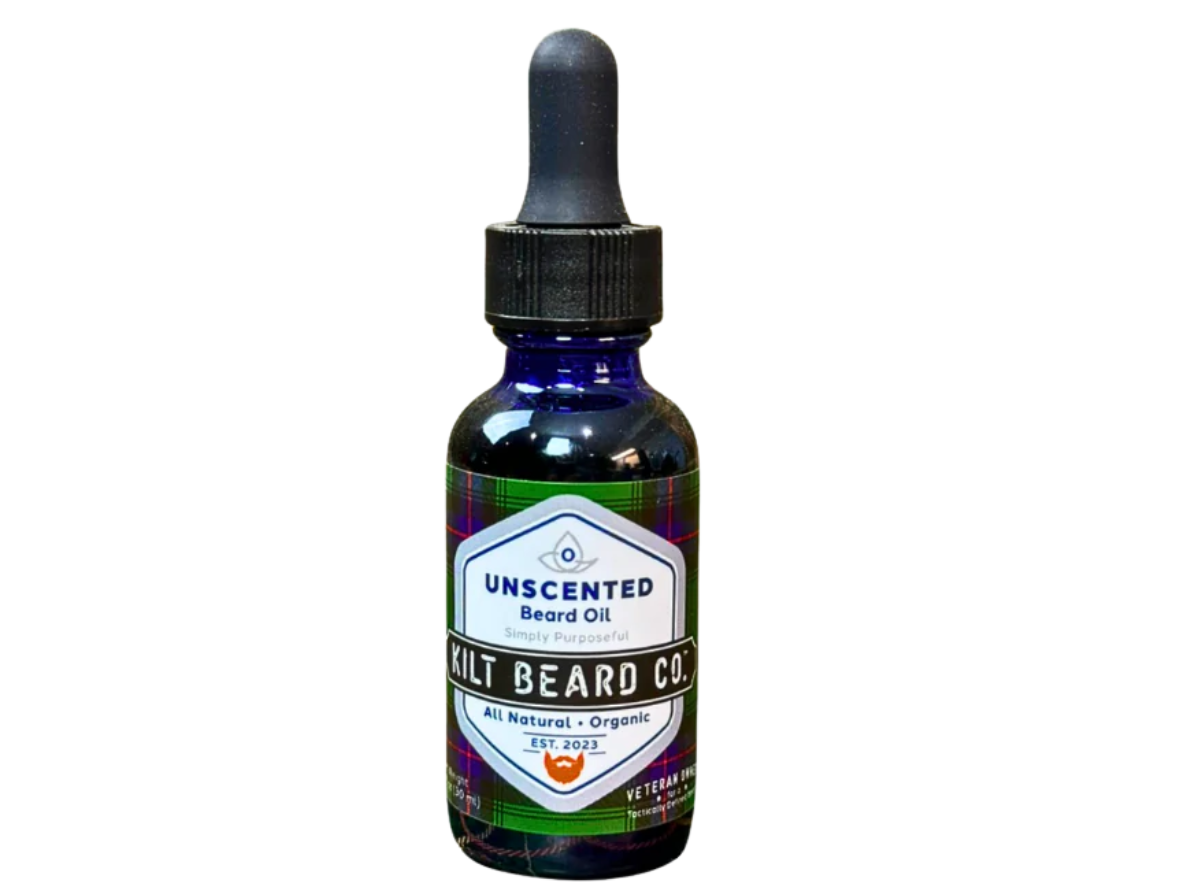
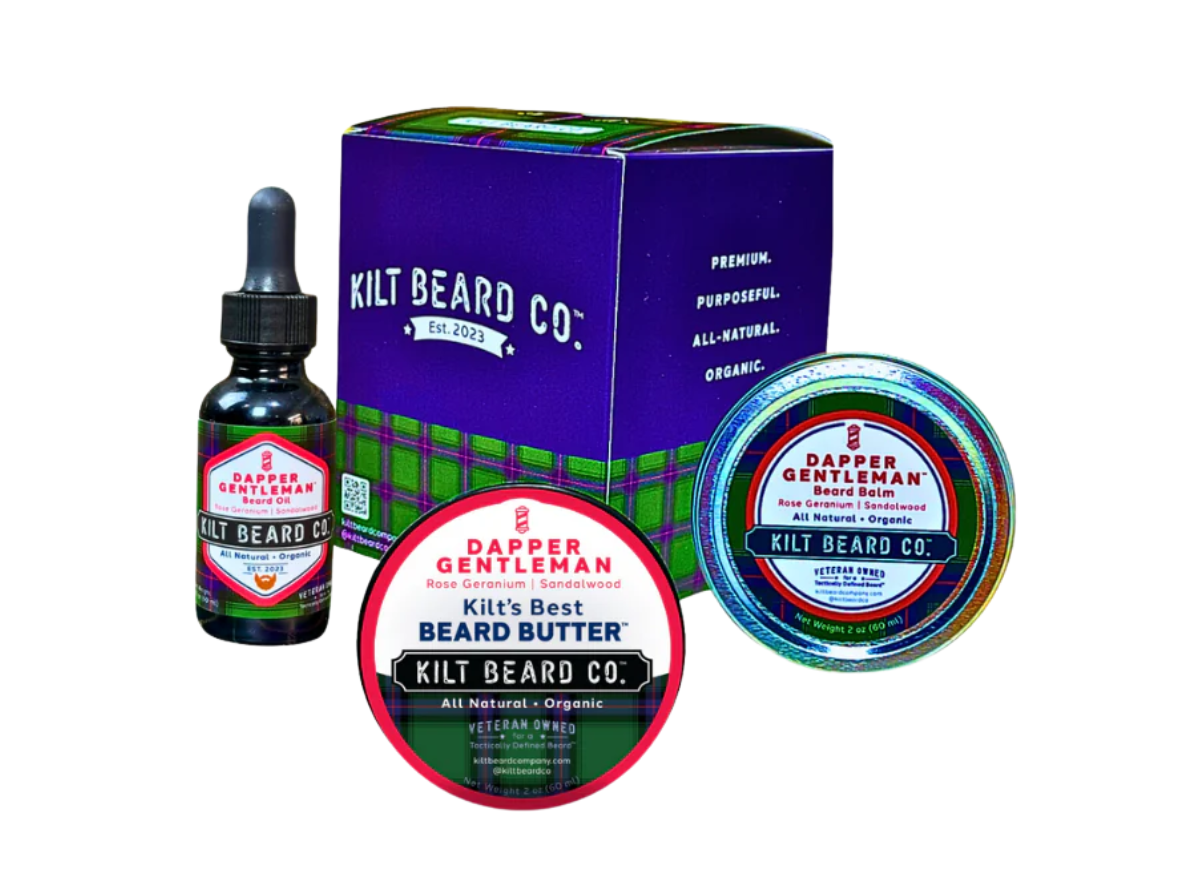
Beard Oil: This is the most important item for any man growing hair on his face. It is a light liquid that mimics the natural oils your skin produces, which often helps stop the itch and prevents the skin from flaking. By soaking into the skin and the hair, it provides the moisture needed to keep the follicles operational and healthy.
-
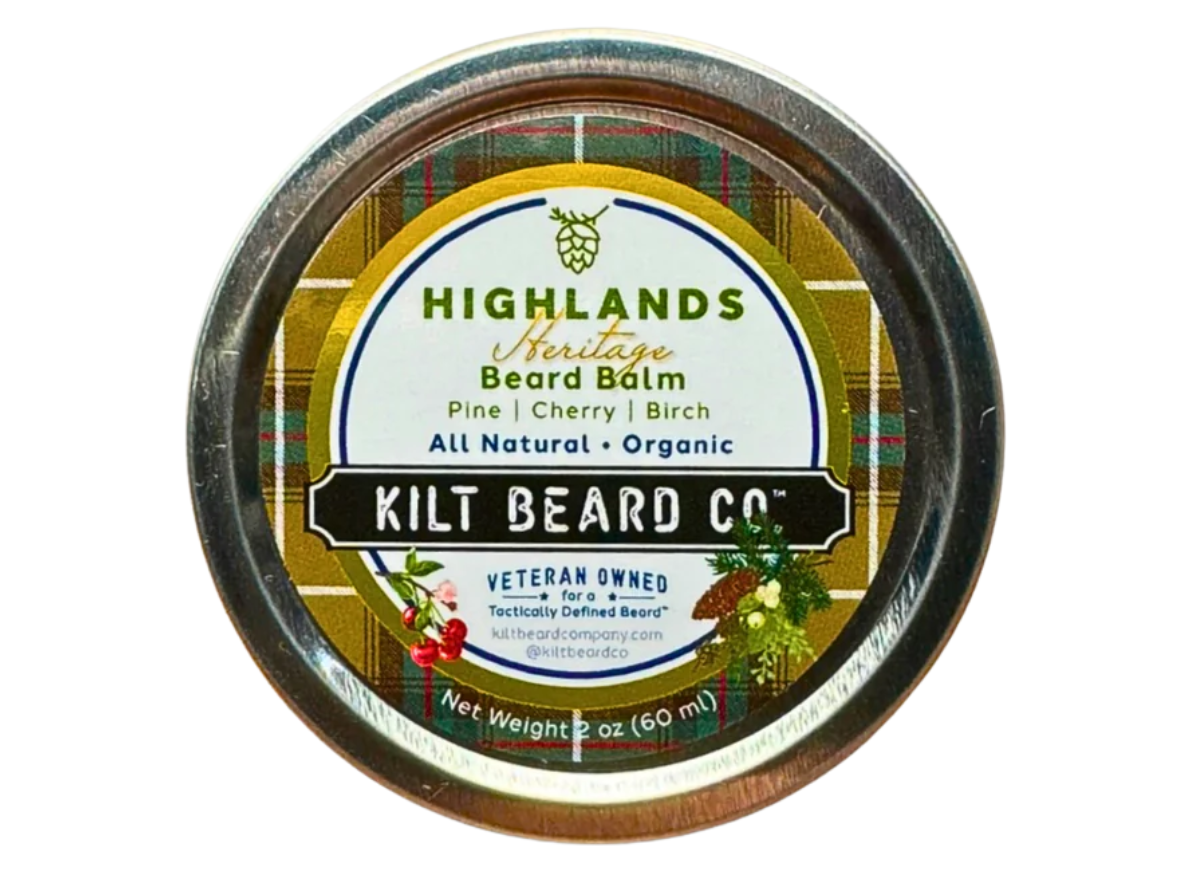
Beard Balm: A thicker product that usually contains beeswax or shea butter to provide a light hold. It acts as a protective layer against the wind and sun, keeping your beard from looking wild while locking in the moisture from your oil.
-
Beard Serum: This is a more concentrated formula designed to deliver specific nutrients directly to the root of the hair. For many guys, this is a heavy-duty option for when the beard feels especially dry or when they want to support the skin during a heavy growth spurt.
-
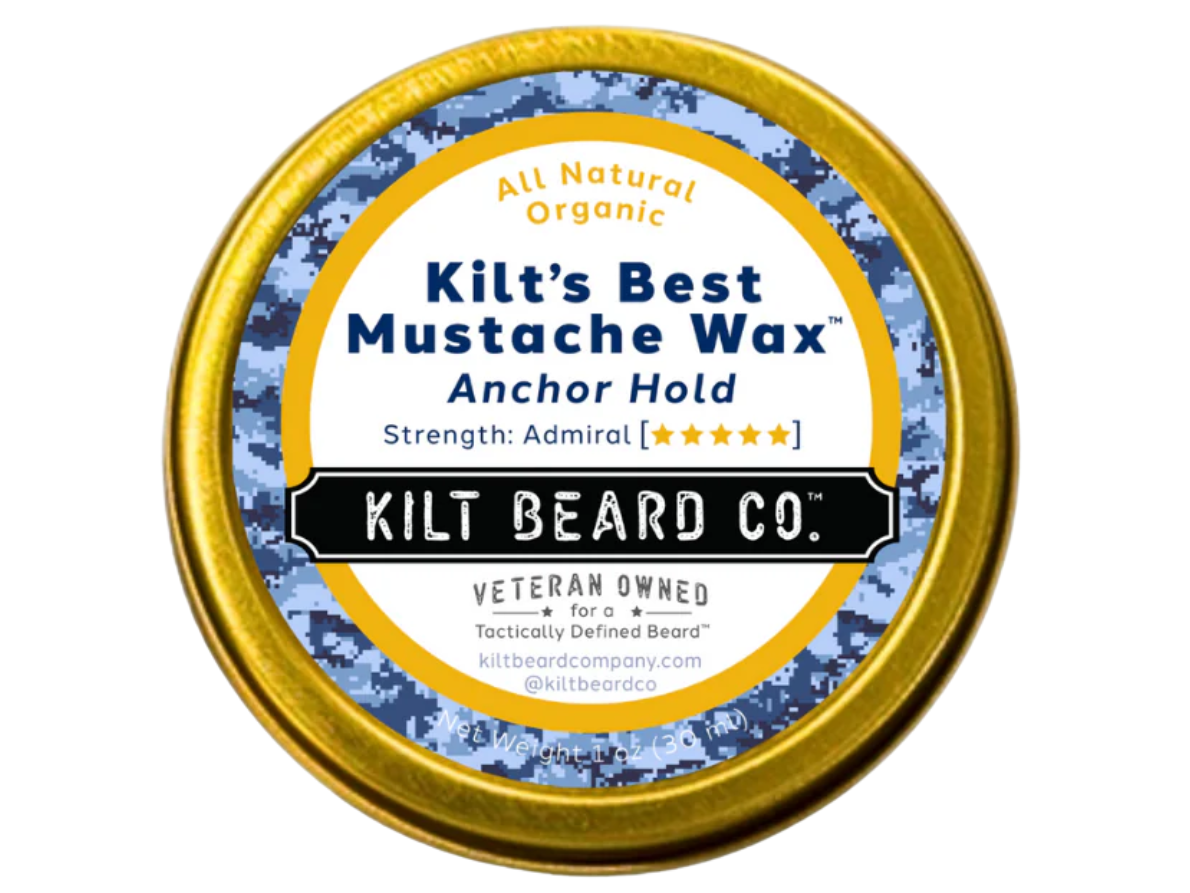
Beard/Mustache Wax: When you need a stiff hold to keep hair out of your mouth or to style a specific look, wax is the go-to. It is a much firmer product than balm and is used to provide the structural tension needed for more complex styles like a handlebar.
-
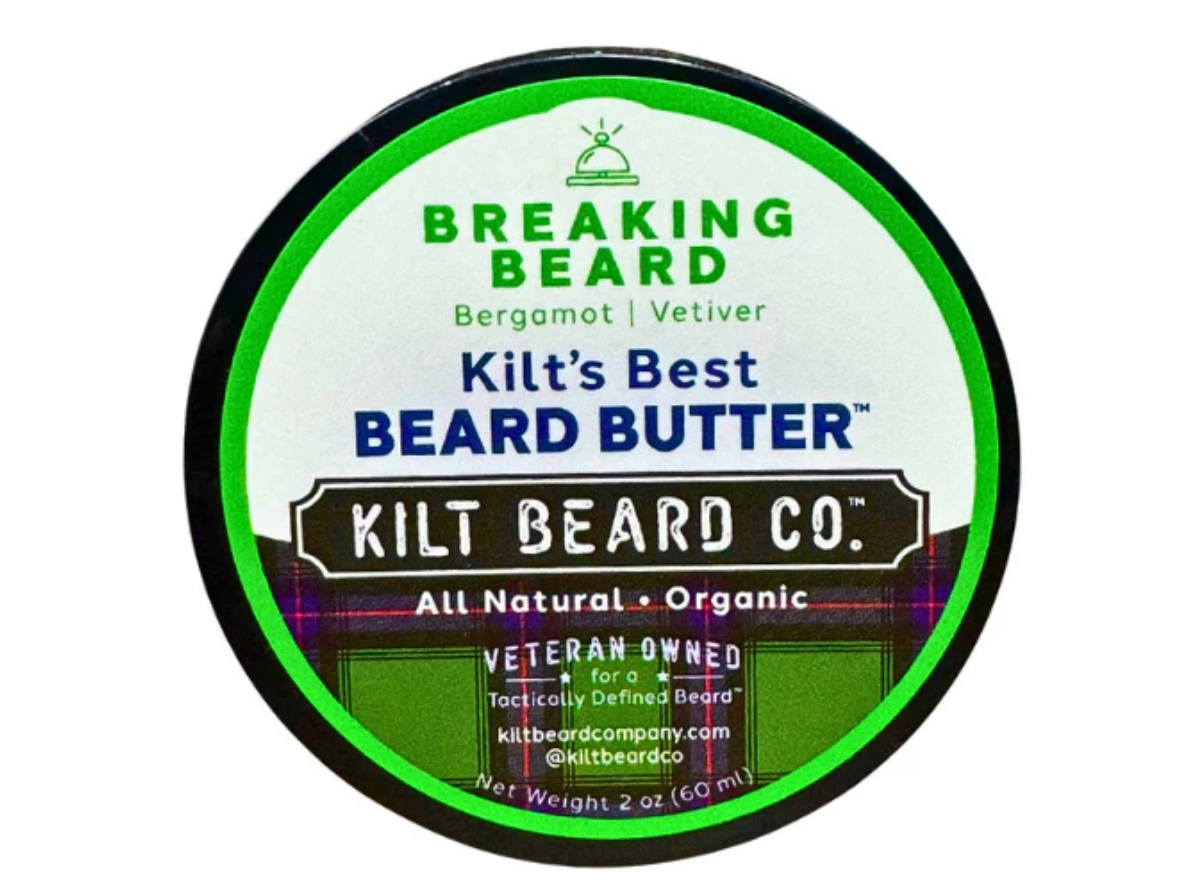
Beard Butter: This is a deep conditioner that focuses on making the hair as soft as possible. It is often used at night or for a matte finish during the day, providing a lot of moisture without the greasy feel of some oils or the stiffness of wax.
-
Beard Wash & Conditioner: Regular hair shampoo is too harsh for the sensitive skin on your face and can strip away the natural oils you need. A dedicated wash cleans out the dirt and grime while a conditioner softens the hair, making it much easier to manage.
-
Beard Soap: A solid alternative to liquid wash that is often easier to travel with. It provides a deep clean that clears out dead skin cells and excess oil, ensuring that your pores stay open and your follicles can breathe.
-
Beard Spray: A quick refresher for when you're on the go and don't have time for a full wash. It can provide a light scent and a tiny boost of hydration to keep the beard looking fresh throughout a long day.
-
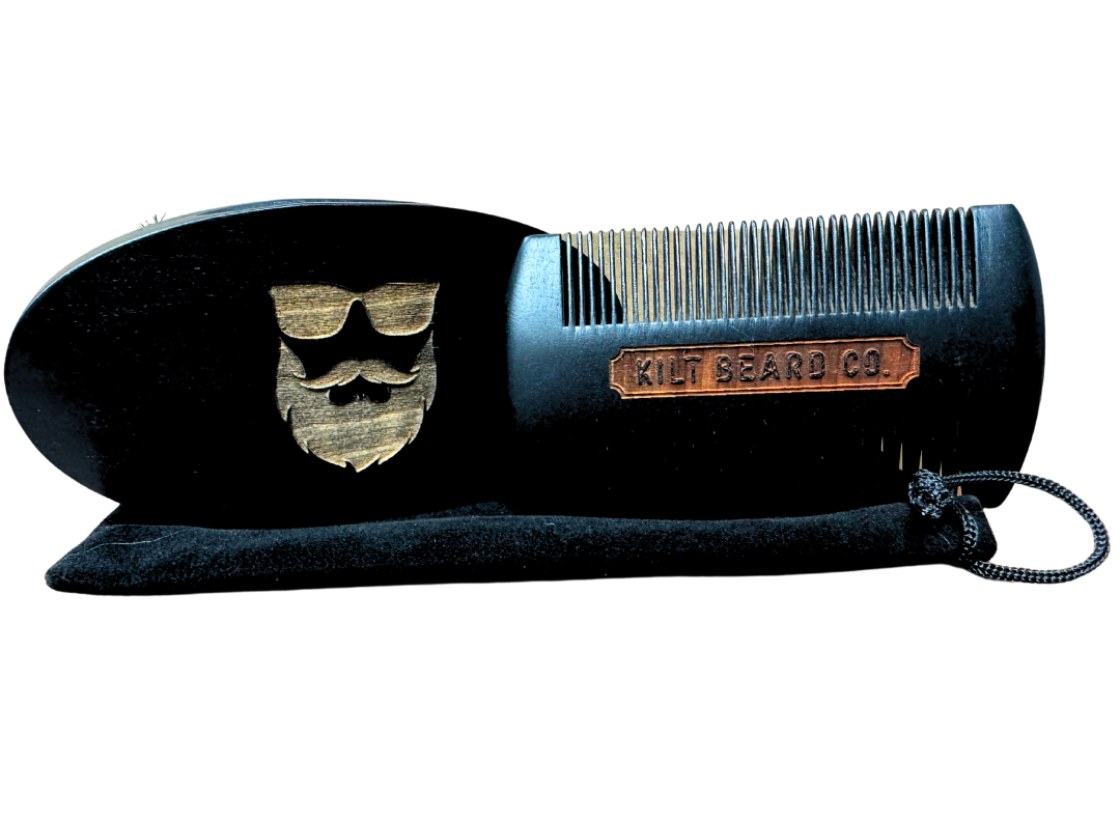
Beard Combs: These are essential for detangling the hair and distributing your products evenly from the root to the tip. Using a high-quality comb made of wood, carbon fiber, or even stainless steel prevents static and snags that can lead to hair breakage.
-
Beard Brushes: Often made with boar hair, these are used to train the direction of the hair and exfoliate the skin underneath. Brushing helps move your natural oils down the hair shaft, which often results in a more even shine and a fuller appearance.
Overall, displaying proper beard care is a sign that a man respects himself and the look he is trying to achieve. In a professional or social setting, a managed beard broadcasts that you pay attention to the details and have the discipline to follow through on a routine. It isn't just about the hair; it is about the presence you have when you walk into a room. A guy with a clean, healthy, and well-shaped beard is seen as someone who has his life in order. By taking the time to handle these basics, you’re proving that you aren't just letting things happen to you, but that are actively shaping the way the world sees you.
What are Some Motivations for Men to Grow a Full Beard?
Making the choice to grow a full beard is usually a deliberate call that goes beyond just wanting a change in scenery. It’s about taking a new approach to your appearance and seeing what your biology can actually do when given the chance. This shift in your daily habits often leads to a different sense of self-reliance as the hair starts to fill in. While the reasons vary from person to person, there are several common factors that drive guys to see just how much hair their face can actually produce:
-
Enhanced Facial Structure: A full beard can act as a natural way to contour your face, allowing you to define a jawline that might be a bit soft or hidden. By shaping the hair, you can create a more square profile that completely changes your head shape for the better. It allows you to highlight your best features while masking the areas you aren't as fond of, providing a balanced look that is entirely in your control.
-
A Sign of Maturity: For guys who have a "baby face", growing a thick beard is the fastest way to add a few years to their look. It often results in being taken more seriously in professional environments or simply feeling more like a grown man in your daily life. You aren't just changing your face; you’re changing the first impression you make on every person you meet, broadcasting a sense of experience and capability.
-
Weather Protection: A thick layer of facial hair serves as a functional barrier against the elements throughout the year. In the winter, it holds in heat and blocks the wind from hitting your skin directly, while in the summer, it can actually shade the skin and provide a bit of natural protection from the sun. This layer keeps your face from getting beat up by the environment, helping the skin underneath stay more comfortable regardless of the temperature.
-
Low-Maintenance Daily Routine: Shaving every single day is a chore that most men would happily give up to save time in the morning. Transitioning to a full beard doesn't mean you stop grooming, but it does mean you trade the daily irritation of a razor for a more relaxed routine of oils and brushes. You skip the redness and the bumps that come with a blade, replacing them with a few minutes of maintenance that leaves your face feeling much better.
-
Personal Style and Individuality: In a world where many guys look the same, a unique beard is a simple way to stand out. Whether it’s a rugged woodsman look or a sharp, corporate beard, it allows you to broadcast your personality without saying a word. It’s a visual signal that you aren't afraid to go your own way and that you value a more authentic, masculine look that belongs entirely to you.
-
The Rugged Aesthetic: There’s an undeniable link between a full beard and a rugged, adventurous spirit that many men find appealing. Many guys choose to grow their hair out because they enjoy the confident, outdoorsy vibe that a well-maintained beard provides. It creates a presence that feels a bit more natural and less manufactured, which fits the lifestyle of a man who prefers to be out in the world rather than stuck behind a desk.
Keep in mind, these primary drivers above that push most men to stick with the process until the end, are just some of the many reasons men do this.
What Causes a Man’s Beard to Possibly Grow Uneven or Patchy?
Dealing with a patchy beard can be one of the most frustrating parts of the process, especially when you feel like you’re doing everything right. It is important to realize that hair growth isn't always a uniform operation where every follicle fires at the same time. There are numerous biological and lifestyle factors that dictate why one part of your face might look like a forest while another looks like a desert. Identifying these specific causes is the first step toward figuring out how to handle the situation and move toward a more even look:
-
Genetic Predisposition: This is the most common factor and the one you have the least control over. Your DNA determines the density of your follicles and how sensitive they are to growth hormones, which is why some men have thick beards in their teens while others struggle well into their thirties.
-
Hormonal Balance: Testosterone and Dihydrotestosterone (DHT) are the primary drivers of facial hair. If your levels are low or if your body isn't effectively utilizing these hormones, the result is often thin or slow-growing hair that looks uneven.
-
The Age Factor: Beard growth often continues to develop as you get older. Many men who struggle with patchiness in their early twenties find that their beard naturally fills in as they approach their 30s and 40s.
-
Nutritional Deficiencies: Your hair needs specific vitamins and minerals to grow strong and even. A lack of things like Biotin, Zinc, or Vitamin D can cause the hair to grow in weak or brittle, leading to an uneven appearance.
-
High Stress Levels: When being under a lot of pressure, your body produces cortisol, which can interfere with your natural growth cycles. In some cases, high stress can lead to temporary shedding or a complete halt in new hair production.
-
Poor Skin Health: Clogged pores or a buildup of dead skin can prevent new hairs from breaking through the surface. If the skin underneath is neglected, it becomes a hostile environment for the follicles, resulting in spots where nothing seems to grow.
-
Lack of Consistent Sleep: Your body does most of its repair work and hair growth while you are asleep. Skipping out on rest means you are cutting into the time your follicles need to produce new hair, which can result in a sparse or patchy look.
-
Poor Blood Circulation: Blood carries the nutrients and oxygen that your follicles need to function. If you aren't active or if you have poor circulation in your face, the hair might not get the supplies it needs to grow evenly across your cheeks and jaw.
-
Messing Up the Alignment of Your Beard: Getting the lines of your cheek and jaw wrong is a quick way to make a thick beard look patchy. If you cut the cheek line too low or set the angle too steep, you are removing hair that adds to the overall density of the look. This often results in an uneven appearance because you have stripped away the natural frame of the beard, making the remaining hair look isolated or sparse rather than full.
-
Incorrect Neckline Shaving: Decide where to stop the beard on your neck dictates how full the whole thing appears. If you shave the neck line too high into the jaw, it can make the beard look like it is floating, which highlights any minor thin spots you might have. Conversely, letting the neck hair grow in too far without a clean line can make the growth look messy and uneven rather than like a solid, purposeful beard.
-
Trimming the Beard Too Soon: Patience is a requirement when trying to avoid a patchy look on your face. If you pick up the trimmers or a pair of scissors too early in the process, you’re cutting back the faster-growing hairs that would otherwise cover up the slower-growing areas. This prevents the hair from gaining the bulk needed to hide the gaps, leaving you with a look that stays thin and uneven far longer than it should if you had just let it grow out naturally. Jumping the gun with your blades often resets the clock on those thin spots instead of letting the surrounding hair fill in the blanks.
For many guys, the solution is often found in making small changes to their daily habits or simply giving the process more time to work itself out.
How to Grow an Even and Patch-Free Beard
Making a commitment to grow a full beard is easy when you’re looking at a photo of someone else, but doing the work on your own face is where most guys get stuck. You need a solid plan that covers everything from your daily habits to the gear you keep in your bathroom. If you follow these steps, you can help your body produce an even look that fills in over time without the constant frustration of a lopsided chin:
-
Commit to the Four-Week Rule: The first and most difficult step in the process is to commit to a full month of no shaving, which is a lot harder than it sounds once you hit the scruffy phase. You have to ignore the urge to "fix" things in the first few weeks because you need to see exactly where your hair naturally grows without any interference. If you cut the hair too soon, you won't know which patches are permanent, and which ones just need a few more weeks to catch up to the rest of your face. For many guys, the temptation to trim the cheeks or clean up the chin is what ruins the progress before it ever really starts. By letting the hair grow out completely, you provide yourself with a map of your own facial hair that tells you exactly where you need to focus your efforts later on. It is a period of raw growth where you just have to trust the process and let the hair do what it was meant to do.
-
Soothe the Early Stage Itch: When the itch kicks in around week two or three, you have to resist the urge to scratch or shave the whole thing off in a moment of frustration. This irritation happens because the sharp ends of the hair are curling back toward your skin after being cut for so long by a razor. Using a light beard oil during this phase can help soften those whiskers and soothe the skin, making it much easier to push through to the next stage of growth without losing your mind. If you let the skin become too dry, you'll end up with redness and flakes that make you want to reach for the trimmer. Keeping the area hydrated is the best way to handle this temporary hurdle so you can get to the point where the hair is long enough to lay flat.
-
Fuel Your Body Correctly: You need to pay attention to what you’re putting into your body if you want your hair to grow in thick and even. Eating plenty of lean protein and getting your vitamins through whole foods provides the raw materials your follicles need to build strong hair fibers. Things like eggs, nuts, and leafy greens can help provide the nutrients that keep the hair strands from becoming weak or brittle. If your diet is full of processed sugar and low-grade fuel, your body will prioritize your vital organs and leave your beard with the scraps. Think of your nutrition as the foundation of the entire build; if the supplies are low-quality, the final product is going to reflect that lack of care.
-
Boost Circulation Through Activity: Physical activity is a massive part of the growth process because it helps support your natural hormone levels. When you lift heavy weights or stay active, you are also improving your blood circulation, which delivers those essential nutrients straight to your face. Better flow means more resources for those follicles that might be lagging behind in the patchier areas of your cheeks or jawline. For many men, the simple act of getting their heart rate up a few times a week is what finally helps those stubborn spots fill in. It's a biological boost that helps your body operate at peak efficiency, giving your beard the best possible chance to grow in full.
-
Develop a Clean Washing Routine: Washing your face correctly is about finding the balance between being clean and being too dry. You should avoid standard bar soaps that can strip away the natural sebum your beard needs to stay flexible and strong. Using a dedicated wash once or twice a week removes the dirt and dead skin that can block new hair from breaking through the surface. If you wash too often, you’ll end up with a beard that feels like a wire brush, but if you don’t wash enough, you’ll deal with clogged pores and ingrown hairs. It is a straightforward bit of maintenance that keeps the environment on your face healthy and ready for new growth.
-
Hydrate Every Day with Beard Oil: Applying beard oil every single day is a requirement for keeping the hair and the skin underneath in peak condition as you grow. It acts as a liquid shield that locks in moisture and prevents the hair from snapping off before it has a chance to fill in the gaps. For many guys, this one simple habit is the difference between a beard that looks healthy and one that looks like a dry, patchy mess. You don't need to overdo it; just a few drops worked down to the skin is enough to provide the hydration your follicles need. This keeps the hair supple and prevents the breakage that often makes a beard look thinner than it actually is.
-
Exfoliate to Clear the Path: You must clear away the dead skin cells that can pile up under your hair and cause irritation or blockages. Using a boar hair brush to exfoliate the skin can help keep your pores open and prevent the ingrown hairs that lead to painful bumps and uneven growth. This process also moves your natural oils down the hair shaft, which can help your beard look fuller and more even. It is a manual way to help your skin stay healthy while encouraging the hair to grow in the right direction. By keeping the surface of your skin clear, you make it much easier for new hairs to break through and fill in those thin spots.
-
Train the Hair with a Comb: Training your hair to grow in a certain direction takes time and a bit of effort with a high-quality comb. If you start brushing your hair downward early on, you can help cover up some of the thinner spots by encouraging the longer hairs to lay flat over them. This simple bit of manual labor can help make a patchy beard look much more intentional and well-shaped as it gains length. It is a way to manipulate the volume of your beard to give the appearance of more density than you might actually have. Over time, the hair will begin to follow this pattern, making your daily styling routine much faster and more effective.
-
Prioritize Quality Sleep: Your body does the majority of its repair work and hair production while you are asleep, so skipping out on rest is a bad move for your beard. Aim for seven or eight hours of solid sleep to give your system the time it needs to produce growth hormones and repair tissue. For many men, a lack of sleep is the hidden cause of slow growth and uneven patches that never seem to fill in regardless of what products they use. Sleep is the most natural way to support your biology and give your follicles the "off-time" they need to do their job. If you’re constantly running on empty, your beard growth is going to be the first thing your body decides to cut from the budget.
-
Manage Your Stress Levels: High stress can lead to a rise in cortisol, which often tells your body to stop focusing on non-essential tasks like hair growth. Finding a way to manage your daily pressure through exercise, hobbies, or simply stepping away from the screen can help keep your hormones in check. A relaxed body is a body that’s better equipped to focus its energy on producing a thick, full beard. When constantly on edge, your system stays in survival mode, which’s the worst possible environment for growing hair. For many guys, the patches in their beard are just a physical reflection of the tension they are carrying in their daily lives.
-
Avoid Early Trimming Mistakes: One of the biggest mistakes guys make is trying to trim their beard before it has reached its full potential. You need to let it grow for at least two or three months so you can see the true shape and density of your facial hair. Trimming too early can lead to lopsided lines and uneven lengths that take weeks of growth to fix. Stay patient and let the hair gain some real bulk before you even think about picking up the shears or the electric trimmer. This extra time allows the slower-growing hairs to catch up, which often fills in the patches that looked permanent in the first few weeks.
-
Shape the Lines for the Illusion of Fullness: Once you have some real length, you can start shaping your neckline and cheeklines to give the illusion of a much fuller beard. Defining a clean line just above your Adam's apple makes the rest of your beard look thicker and more purposeful. By focusing on the edges, you draw the eye away from any minor patches and make the whole look appear much more even and professional. It is a way to frame your face that highlights your progress while you wait for the thinner areas to catch up. A sharp line on the neck and cheeks is the final touch that turns a wild pile of hair into a real beard.
Remember, it is a slow process that requires you to stay consistent with your maintenance while allowing your biology to take the lead.
What Happens if After All of That, Your Beard is Still Growing in Uneven and/or Patchy?
Sometimes you follow the plan to the letter and still find yourself looking at a chin that isn't as full as you'd like after several months of effort. It is a reality that some guys have to face due to their own unique biology, but it doesn't mean you have to give up on having a look that works for your face. You just need to shift your strategy to match the hand that you were dealt and look at other ways to present a sharp, masculine image.
If the patches aren't filling in despite your best efforts, it might be time to look at styles that actually look better with a bit of negative space. Instead of a thick, lumberjack-style beard that highlights the thin spots, you might find that a shorter corporate beard or a well-defined goatee looks much sharper on your face. By working with the hair you actually have rather than the hair you wish you had, you can create a look that is purposeful and clean for any professional or social setting. It is better to have a short, intentional style that looks finished than a long, sparse beard that looks like an accident you forgot to shave. This shift in perspective allows you to stop fighting against your own hair growth patterns and start leaning into a look that highlights your best features. Choosing a style that fits your density is a sign of a man who knows his own face and isn't trying to force a look that doesn't work.
Seeking out a professional barber can often make a massive difference when you’re struggling with uneven growth that you can't seem to fix at home. A barber has the experience to see the lines of your face and can trim your beard in a way that blends the thicker areas into the thinner ones through careful tapering. They can fade the sideburns or move the cheeklines down slightly to create the appearance of more volume where you need it most. Often, a single session in the chair can provide you with a template that you can maintain on your own for months without the guesswork. They can also offer advice on which specific products might work best for your hair texture, helping you avoid wasting money on things that won't actually help. A professional cut can turn a patchy mess into a sharp style that makes you feel a lot more confident.
It is also worth considering that your body might just need more time or a slight adjustment in how you view your overall wellness. If you’re still in your early 20s, your beard is likely still in a development phase, and those stubborn patches could very well fill in on their own as you hit your 30s. Continuing to focus on your sleep, your food, and your stress levels is never a waste of time, as these habits support your system regardless of facial hair goals. Stay consistent with your basics and give your body the chance to catch up at its own pace while enjoy the style you currently have.
Owning the Look You Built
Taking the time to grow a full beard is a process that reveals a lot about your own discipline and your ability to stick to a plan. Whether you end up with a thick mane or a sharp, shorter style, the effort you put into the maintenance is what actually counts in the end. You have the knowledge and the right gear to handle the daily work, so you can stop worrying about the thin spots and start focusing on the day ahead. Besides, a man who handles his business with confidence is going to look good regardless of the specific length of the hair on his chin. Now that the hard part of the build is over, you can step out with a look that is entirely your own.
Disclaimer: This information is for general guidance and is not a medical diagnosis or a treatment plan. While certain factors can affect beard growth for many guys, it is always best to speak with a licensed medical professional if you have specific concerns about your skin health or unusual hair loss.

