
As autumn's brisk chill gives way to deep winter, every guy with facial hair feels that unmistakable shift in the air. What starts as a cool October wind whistling through dry leaves quickly turns into the biting, sub-zero freezes of mid-January. Throwing on a thick flannel and lacing up heavy leather boots gives you plenty of body armor, but your chin is out there taking the brunt of the weather head-on. A lot of men assume looking rugged is just an excuse to drop the razor and let unchecked growth run wild across both seasons. The truth is, pulling off a weathered, capable style without looking like you gave up on basic hygiene takes far more intention than simply hoping for the best.
The Anatomy of a Rugged Beard: Shape, Weight, and Natural Lines
Walking into a shop with an overgrown thicket and calling it "rugged" doesn't fool anyone who knows facial hair. True rugged character isn't a one-size-fits-all template stamped out of a mold, and it sure isn't lazy abandonment. Every man's face carries its own bone structure, whether you've got a sharp, angular jaw, a broader chin, or a rounder profile. A rugged beard works because it builds visual weight where your specific frame needs it most, adding density at the base while letting your natural grain show through. It looks tough because it respects the honest contours of your jawline instead of fighting them with artificial stencils or letting wild growth swallow your neck whole.
The Line Between Intentional Fullness and Plain Neglect
Real fullness comes down to where hair density sits, not just how many inches hang off your chin. When guys neglect their growth, hair bunches out horizontally at the sides, right around the ears and high jaw. The minute you throw on a heavy winter coat or a collared jacket, that wide side growth flares out like wings, making your head look twice as wide as it actually is. An experienced hand knows you want to taper the sideburns down slightly, so they transition smoothly into a heavier, dense base beneath the chin. That forward-and-downward weight anchors the entire face, giving you a stout, solid profile that holds its own against bulky cold-weather gear.
Texture also changes how that weight behaves from man to man. If you've got tight, coarse curls, your facial hair tends to pack together into dense volume that needs directional training, so it doesn't puff out sideways. If you have straight, wiry strands, they like to poke straight forward like broom bristles until they get enough length and downward weight to lie flat. Respecting those characteristics means you don't fight your natural grain with a flat iron or choke it with heavy pastes. You let the natural coarse strands do their job, but you guide them toward the center line of the chin so the beard looks thick, compact, and completely deliberate.
Setting Necklines and Cheek Boundaries That Match Your Face
The fastest way to ruin a rugged beard is setting the borders in the wrong zip code. Far too many men make the rookie mistake of carving their neckline right along the hard edge of their jawbone, thinking it sharpens their jaw. In reality, the second you look down, talk, or turn your head, your neck pushes forward and exposes an awkward gap that looks ridiculous. On the flip side, letting hair run down your throat into your chest hair turns into an itchy, sweltering mess inside a wool collar. Finding your honest line means working with your head level, not tilted back toward the ceiling:
-
Look straight into the mirror with your head in its normal resting posture: tilting your chin up stretches the skin and throws your cut line completely off once you relax.
-
Locate the crease right where your throat meets the underside of your jaw, which typically rests about a finger or two above your Adam's apple depending on your neck length.
-
Follow that natural crease out toward the back corners of your jawbone below your ears, clearing out the stray throat hair beneath that boundary.
Your cheek line demands the same level of common sense. Drawing a razor-straight, painted-on line across the cheek looks completely phony when you're wearing an old work coat and muddy boots. It screams that you spent 45 minutes obsessing in front of a ring light. Instead, follow your natural cheek slope.
If your growth runs naturally high, simply sweep away the stray, lone hairs sitting up near your cheekbones and under your eyes, leaving the denser line of growth underneath to follow its natural curve down toward the mustache. If your cheeks are naturally leaner or a bit sparse, don't butcher your beard by dragging the line down to your jaw just to make it look even. Let that leaner growth stand as it is; the contrast between a lighter cheek and a heavy, weighted jawline is the very definition of a classic, weathered beard.
Flannels and Heavy Wool: Dressing for the Cold
Heavy cold-weather clothing carries real physical presence, and having some bulk on your chin balances that frame out naturally. When temperatures drop, thin shirts don't have the weight or warmth you need to stay comfortable. Stepping into heavier textiles gives you a solid setup that handles biting wind and damp air without feeling stiff, letting your facial hair look right at home alongside rugged layers.
Picking the Right Fabrics and Layering Up
Building an autumn and winter setup comes down to choosing materials that block wind while letting your body breathe. A lot of modern shirts feel paper-thin right off the rack because they're woven with cheap synthetic threads that let cold drafts blow straight through to your ribs. When you're picking out pieces for the season, pay attention to the actual weight of the weave:
-
Brushed Cotton Flannel (8 oz. to 10 oz.): Thick enough to cut a brisk autumn breeze on its own, but soft enough to wear comfortably against your skin all day.
-
Heavy Chamois Cloth (9 oz. to 11 oz.): A dense, plain-weave cotton with a brushed surface that shrugs off wood splinters and cold gusts without tearing at the elbows.
-
Melton Wool Overshirts (14 oz. to 20 oz.): Thick sheep's wool that locks in warmth even in freezing sleet, venting internal body heat so you don't overheat.
-
Waxed Cotton Canvas Jackets (10 oz. to 12 oz.): A tough, weather-resistant outer shell that turns away driving rain and protects softer layers underneath from thorns and rough bark.
Layering these fabrics gives you total control as the weather shifts from October to mid-January. During early fall, an 8 oz. flannel worn unbuttoned over a waffle-knit henley gives your facial hair plenty of breathing room around the collar placket. You get good airflow while moving around, and the open neck lets your beard rest flat against your chest.
Once freezing temperatures lock in, that same flannel turns into your middle insulator underneath a heavy wool overshirt or a waxed canvas coat. Natural fibers are crucial here because they breathe under physical exertion. If you're shoveling snow or loading firewood, synthetic linings trap sweat right around your neck, soaking your beard follicles with moisture that turns cold the second you stop moving. Wool and heavy cotton pull that perspiration away, keeping your neck dry and warm all afternoon.
Dealing With Collars, Zippers, and Friction
Wearing heavy outerwear should feel comfortable all day, but coarse facial hair takes a beating when rubbing constantly against stiff winter clothes. Individual hair strands carry an outer layer of overlapping cuticle scales. When coarse fabrics grind against your neck for weeks on end, those cuticles lift and splinter, leading to split ends, broken hairs, and uneven patches along your jawline.
Taking a look at how a coat collar is built makes all the difference:
-
Corduroy or Blanket Linings: Look for coats with collar bands lined in soft corduroy, moleskin, or brushed cotton, which create a smooth surface that won't grab or roughen coarse strands when you turn your head.
-
Soft Buffer Layers: If your wool jacket has an unlined, scratchy neckband, tie a soft bandana or a light knit scarf loosely around your throat to act as a buffer between the rough wool and your beard.
Zippers and snaps also need a little attention. Metal zippers with stamped brass or steel teeth can bite into chin hair if you yank the slider up too fast on a freezing morning. Ripping out strands by the root is painful and leaves thin gaps in your beard that take months to fill back in.
Instead of pulling a heavy zipper all the way to the top stop, leave it resting 1 to 2 inches below the bottom of your chin. This lets the jacket collar fold open naturally over your chest, giving your beard plenty of clearance. If the wind really starts howling and you need full protection, pick coats built with an interior storm flap. That simple strip of fabric behind the zipper blocks freezing air from cutting through the teeth while creating a flat shield between your facial hair and the metal track.
Quality Leather and Heavy Soles: Boots Built to Work
Heavy wool and thick flannels only do half the job if your footwear can't handle wet gravel, frozen mud, and slushy sidewalks. A solid beard pairs naturally with boots built for hard miles in rough weather. Stepping outside in flimsy foam sneakers while wearing heavy cold-weather layers looks mismatched, and your feet will be soaked through within ten minutes. You want leather with real substance and construction that holds up through years of cold seasons.
Choosing the Right Leather and Construction
When you're picking boots that survive real weather, pay attention to the cut of the hide and how the upper connects to the sole. Thin split leathers or synthetic vinyl finishes crack and peel as soon as road salt and sub-zero temperatures hit them. You want tough, flexible materials that turn away water and resist sharp rocks:
-
Full-Grain Oil-Tanned Leather (5 oz. to 6 oz.): Infused with rich oils during the tanning process, which naturally repels moisture and keeps the leather supple when temperatures drop below freezing.
-
Heavy Roughout Leather: The flesh side of the hide faces outward, creating an abrasion-resistant exterior that won't show gouges from frozen briars or gravel.
-
Goodyear Welt Construction: The leather upper, insole, and welt are stitched together firmly, creating a weather-resistant barrier that a cobbler can resole multiple times once the tread wears down.
-
6-Inch to 8-Inch Shaft Heights: Provide firm ankle support on uneven trails while blocking wet slush and dead leaves from tumbling down into your wool socks.
Soles, Traction, and Cold-Weather Upkeep
What sits underneath your feet matters just as much as the hide up top. Flat wedge soles feel comfortable on smooth concrete floors, but they turn slick on wet autumn leaves and packed snow. A thick rubber lug sole with deep cleats bites straight into frozen dirt and slush, giving you stable footing when you're carrying a load of firewood or walking down an icy driveway. Commando-style soles give you that same aggressive bite with a slightly lower profile that sits cleanly under heavy denim or canvas pants.
Taking care of leather in winter works a lot like taking care of facial hair. Salt, road brine, and freezing slush pull natural moisture right out of cowhide, leaving it stiff, dry, and brittle. If you let wet mud dry on your boots overnight, the dirt leaches natural oils out of the hide, creating deep cracks across the flex points where your toes bend.
Wipe off caked mud with a damp cloth at the end of the day, and let damp boots dry at room temperature away from direct heat vents. Rubbing in a heavy leather oil or beeswax-based grease once a month locks moisture inside the pores, preventing water from soaking through and stopping road salt from leaving chalky white stains across the toe box. Taking 10 minutes to clean and treat your leather means your boots will easily outlast the worst winter freezes.
Washing and Conditioning Without Stripping Your Face Dry
When cold autumn breezes turn into biting winter freezes, dry air pulls moisture straight out of your skin. A full beard picks up plenty of grit from outdoor chores, campfires, and daily life, but reaching for a random bar of body soap when you step into the shower is the fastest way to ruin months of growth. Proper care starts at the sink and shower, where keeping coarse strands clean without drying out the skin underneath makes all the difference in how comfortable your facial hair feels all day long.
Why Dedicated Beard Wash Beats Standard Soaps
Facial skin produces far less natural oil than the scalp on top of your head. Most commercial body washes and head shampoos rely on harsh, aggressive detergents built to strip away heavy grease from scalp hair. Scrubbing those harsh cleansers into your chin strips away the protective natural sebum oils that your skin works hard to produce. When those oils vanish, you end up dealing with itchy, flaky skin underneath and coarse strands that feel brittle and rough.
A dedicated beard wash takes a much gentler approach. Formulated with mild, plant-derived cleansers, it lifts out trail dust, soot, and daily grime while leaving your skin's natural moisture barrier intact.
-
Wash Frequency: Lathering up with beard wash 2 to 3 times a week is plenty to clear out buildup without drying your skin. On the days in between, a thorough rinse with warm water washes away surface dust while letting your natural sebum do its job.
-
Water Temperature: Steaming hot water feels good on a frosty morning, but high heat strips natural oils faster than harsh soap. Washing with warm water protects your skin and keeps coarse strands pliable.
Restoring Moisture With a Rinse-Out Beard Conditioner
Washing clears away dirt, but it also lifts the microscopic cuticle scales along each hair strand. If those cuticles stay open, moisture escapes quickly into the dry winter air, leaving your beard stiff, frizzy, and prone to tangling. That is where a rinse-out beard conditioner proves its worth.
Beard conditioner coats the hair shaft with rich hydrating agents and natural fatty acids, smoothing those raised cuticle scales flat against the strand. This softens the outer texture of your facial hair, restores elasticity, and makes combing out your beard effortless once you step out of the shower.
-
Application Method: After rinsing out your beard wash, squeeze excess water from your facial hair with your hands. Work a quarter-sized amount of conditioner through your beard, starting at the skin beneath your jaw and working outward to the tips.
-
Dwell Time: Let the conditioner sit on your facial hair for 2 to 3 minutes while you finish showering. Giving those rich hydrators a couple of minutes to penetrate coarse strands delivers deep softness that lasts all day.
-
Towel Technique: Avoid aggressively rubbing a coarse bath towel back and forth across wet facial hair. Gently pat your chin and jaw with a soft cotton towel to pull out moisture without snapping strands or tearing open the hair cuticle.
The Daily Beard Care Lineup: Oil, Balm, Butter, Wax, and Serum
Stepping out of the shower with clean, damp facial hair is only half the battle on a freezing morning. If you walk straight outside into 22°F air without any leave-in care, that dry wind pulls every drop of moisture right out of your face within ten minutes. That leaves you with stiff, brittle hair that scratches against your shirt collar and skin that feels tight and itchy. Keeping a rugged beard looking stout and feeling comfortable takes a handful of reliable daily beard care products, each made to handle a specific job.
Beard Oil for Skin Comfort and Deep Hydration
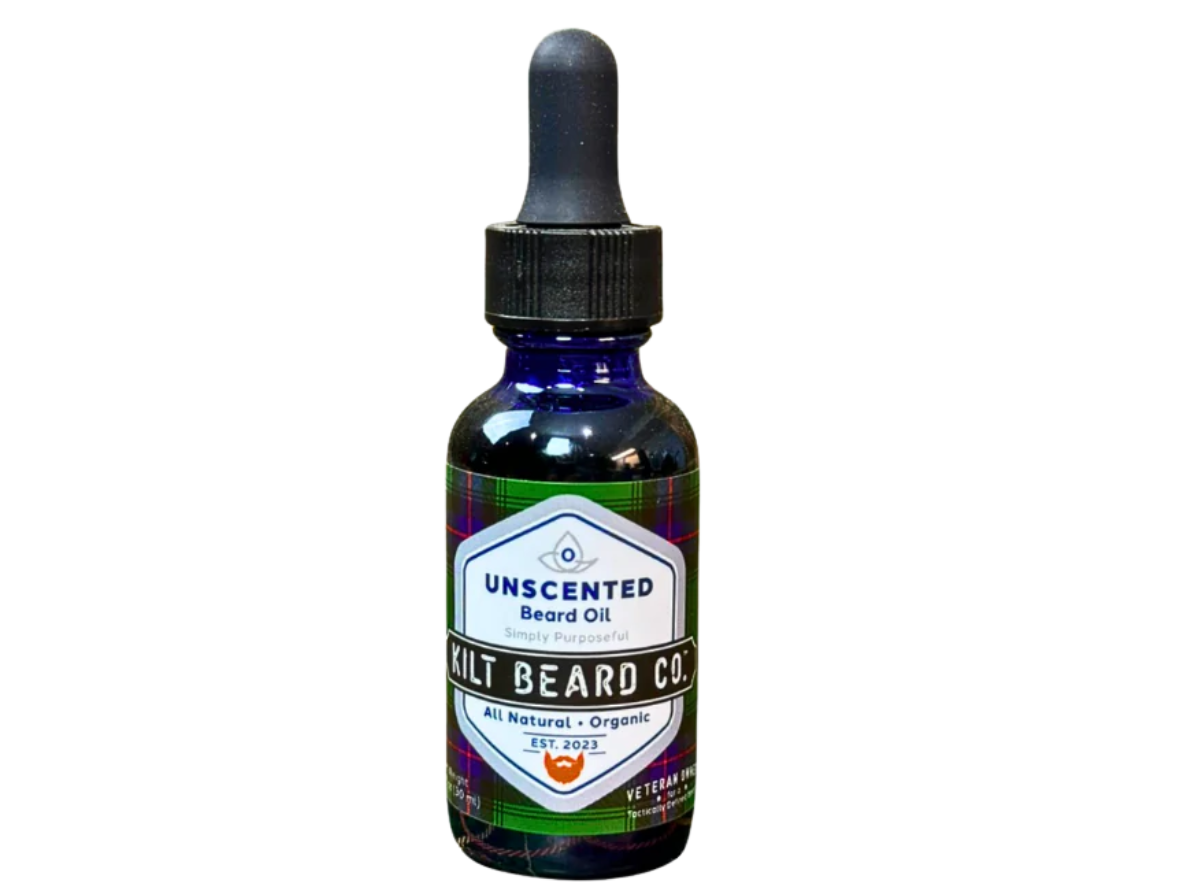
Tons of guys it seems, make the mistake of thinking beard oil is just for making facial hair shine. In reality, beard oil is formulated primarily for the skin hiding underneath your growth. As your beard gets longer and thicker, your hair follicles pull natural sebum away from your face faster than your skin can produce it. Without a dependable carrier oil blend to replace that lost moisture, your face dries out, itch sets in, and you end up with dry flakes on your dark flannel shirts.
Cold weather speeds up that drying process, making beard oil your first line of defense after drying off with a towel. Premium formulas blend natural plant oils like jojoba, argan, and sweet almond that closely match the natural oils your skin produces on its own:
-
Application Timing: Put your oil on right after patting your face dry with a towel, while your pores are still warm and open from the shower.
-
Daily Amount: Dispense 4 to 6 drops into your palm for a medium beard, or bump it up to 8 to 10 drops if you're rocking heavy, full growth.
-
Spreading the Oil: Rub your hands together to warm the oil, then press your fingers deep into your beard until your palms make direct contact with the skin beneath your chin and cheeks.
-
Finishing Strands: Once the skin is fully coated, pull your flat hands downward through the length of your beard to distribute the leftover oil over the outer coarse strands.
Beard Balm for Weather Protection and Shape
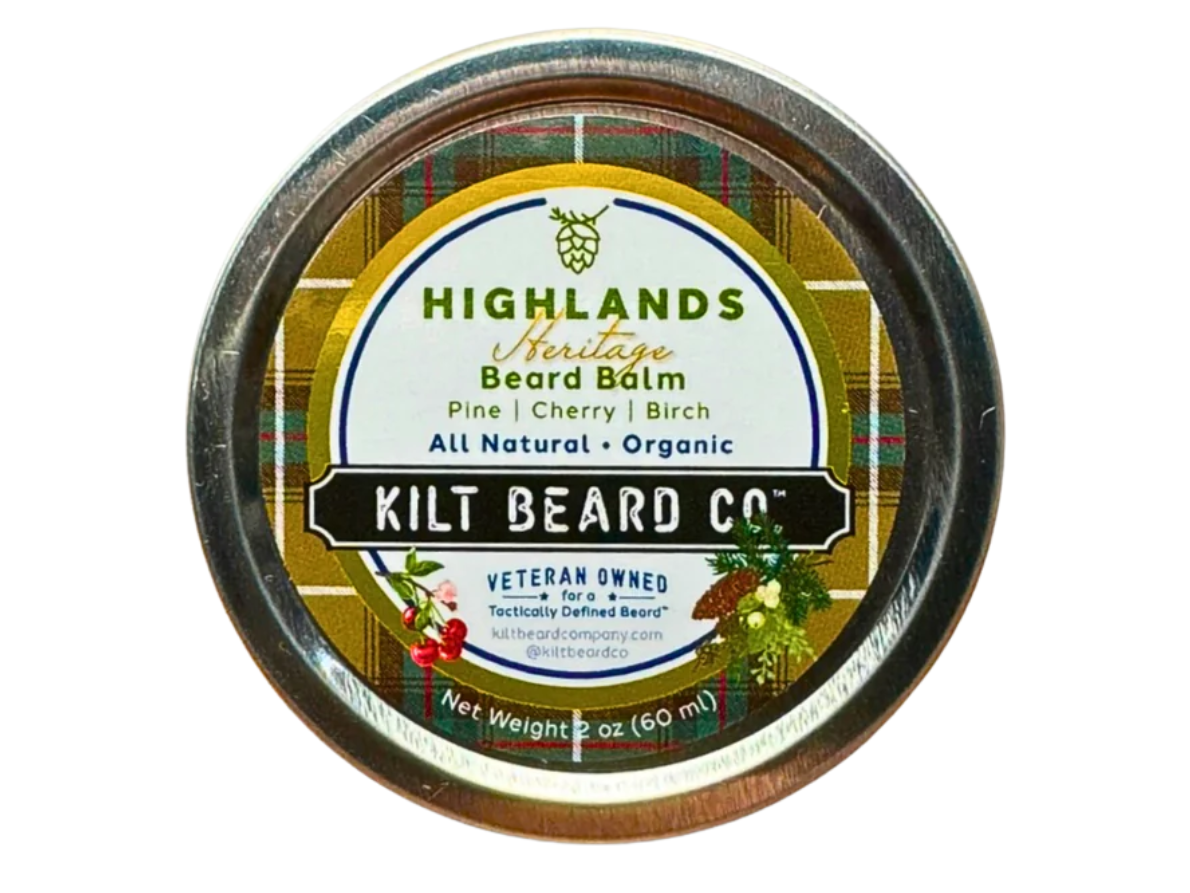
While oil works down at the root level, beard balm takes care of the exterior hair. Balm typically combines carrier oils with natural butter like shea or cocoa, along with a solid dose of beeswax. That wax component gives balm a firmer texture, which serves two practical purposes when temperatures drop: it seals moisture inside the hair shaft and creates a physical shield that keeps freezing wind from pulling hydration out.
Balm also gives you the light hold needed to wrangle stray hairs without making your beard feel stiff or crunchy. It helps round out your overall profile, tucking in rogue hairs along the sides of your jaw and keeping your beard looking full and neat instead of frayed:
-
Proper Scoop: Use the back of your thumbnail to scrape out a nickel-sized amount of balm from the tin.
-
Melting the Wax: Place the balm in the center of your palm and rub your hands together briskly until the heat of your skin melts the wax completely clear.
-
Outer Shaping: Glide your hands down the sides of your face, working the balm through the outer layer of hair before using your fingers to shape the base of your chin.
Beard Butter for Deep Conditioning and Softness
If beard balm is your daytime shield, beard butter is your evening recovery. Beard butter skips the heavy beeswax found in balms, relying instead on a rich base of whipped shea, mango, or cocoa butter blended with carrier oils. The result is a creamy, deeply penetrating formula designed to soften coarse strands from the inside out.
Winter air takes a steady toll on hair elasticity, leaving coarse strands stiff and wiry by the time you kick off your boots at the end of the day. Working a scoop of butter through your beard before bed allows those rich fatty acids to soak deep into the hair fibers overnight. You wake up with a soft, pliable beard that combs out easily without tugging or pulling, making your morning routine much smoother.
Mustache Wax for Control and Clearance
A heavy mustache naturally goes hand in hand with a full beard, but cold weather brings its own set of headaches for the hair above your lip. Warm breath in sub-freezing air causes condensation that turns into frost, while long, unruly hairs constantly dip into hot coffee, soups, and lunches.
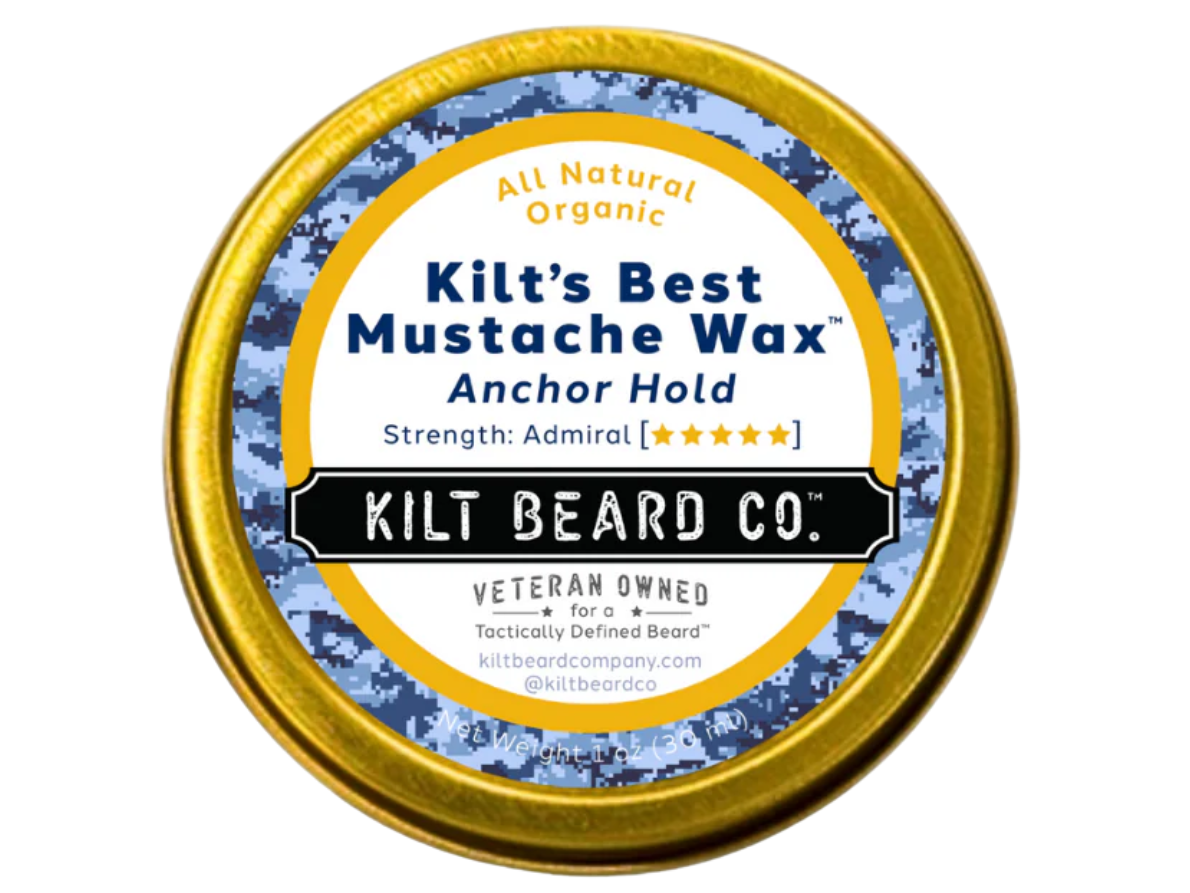
Mustache wax solves that problem by using a higher ratio of beeswax to provide a firm, reliable hold that keeps hairs directed safely away from your mouth:
-
Warming the Tin: Keep your wax tin in your front pants pocket for 10 minutes before use, or run warm tap water over the closed tin so the wax softens up.
-
Scraping and Warming: Scrape a small, pea-sized dab using the back of your fingernail and roll it between your index finger and thumb until it feels smooth and tacky.
-
Pinch and Sweep: Start right at the center of your upper lip beneath your nose, working the wax through the hairs in outward strokes toward the corners of your mouth.
-
Natural Sweep: A rugged style doesn't need exaggerated, spiraled handlebar curls; just sweep the hairs smoothly to the sides to keep your upper lip clear and functional.
Beard Serum for Strengthening and Elasticity
Beard serum acts as a concentrated booster for facial hair that faces rough seasonal conditions. Unlike daily carrier oils that focus on the skin, a quality serum is built with lightweight, fast-absorbing nutrients, natural extracts, and proteins that bond directly to the hair shaft.
As the seasons change from mild autumn breezes to freezing winter slush, coarse strands can turn brittle and lose their natural stretch. When a hair strand loses elasticity, simply pulling on a heavy wool sweater or brushing out a knot can snap the hair in half. Applying a small pump of beard serum 2 to 3 times a week reinforces the hair's outer cuticle, helping coarse strands retain flexibility so they bend instead of breaking under pressure. It absorbs quickly without leaving a heavy grease layer, making it an excellent companion to your regular rotation of oils and balms.
Getting the Shape Right: Brushes, Combs, and Barber Shears
Controlling a heavy beard comes down to mechanical direction and edge work. Once facial hair grows past an inch or two, coarse strands tangle, trap loose dust, and kick out horizontally along the jaw if they aren't guided daily. Liquid products soften the hair, but manual hardware does the heavy lifting to set the grain, prevent ingrown hairs, and remove split ends without thinning out your hard-earned bulk.
Comb Materials: Wood, Carbon Fiber, and Why Plastic Fails
What you pull through your facial hair determines whether your cuticles stay smooth or get shredded down the shaft. The standard pocket combs found in grocery aisles or gym bags are made by injecting molten plastic into two-piece metal molds. That manufacturing process leaves a sharp seam running down the center of every single tooth. When you drag that jagged plastic edge through dense facial hair, those microscopic burrs catch on your hair cuticles like saw blades, stripping the outer keratin layer, snapping strands midway down, and charging your beard with static electricity that makes it puff out wildly.
Switching to well-crafted materials changes the entire feel of your routine:
-
Saw-Cut Wooden Combs: Made from dense hardwoods like green sandalwood, beech, or pearwood, these combs have teeth cut individually with circular saws and buffed smooth by hand. Because wood is porous, it absorbs a light amount of your beard oil over time and feeds it back into dry ends with every pass. The wide spacing glides through thick growth after towel-drying without yanking at your roots, and natural wood eliminates static.
-
Carbon Fiber Combs: Formed from high-tensile carbon blends, these combs are completely rigid, anti-static, and heat-resistant. The teeth won't flex or bend when working through dense, tightly curled growth under the jaw, giving you a smooth, snag-free path. They're also impervious to bathroom moisture, won't crack if dropped on tile, and slide easily into a jacket pocket without fear of snapping teeth.
Boar Bristles for Skin Health and Oil Distribution
While a comb untangles knots, a natural boar bristle brush handles your skin and follicle alignment. Synthetic nylon brushes have blunt, rounded plastic tips that bounce off dense hair and poke your skin. Natural boar bristles have a textured surface that matches the microscopic structure of human hair. That scaly texture grabs natural sebum oil from the surface of your skin and pulls it all the way down to the dry tips of your facial hair, distributing moisture where coarse strands need it most.
Brushing also cleans the base of your beard. Dense facial hair traps dead skin cells, trail dust, and dry flakes along the jawline. Running a firm boar brush across your face exfoliates that hidden skin, clearing away buildup that can clog pores and cause winter itch:
-
Bristle Stiffness: If you have thick, wiry facial hair, look for first-cut boar bristles, which are taken from the stiffest part of the hair and reach straight through to the skin. If your growth is shorter or your skin gets irritated easily, second-cut bristles are softer and provide gentle stimulation without scratching.
-
The Right Technique: Use your brush only on dry or lightly oiled facial hair, working in long, firm strokes downward from your cheekbones to the base of your chin. Brushing trains stubborn whiskers to lie flat along your jawline instead of flaring out sideways.
-
Keeping Balms Away From Bristles: Never run a boar bristle brush through your beard after applying beeswax balms or heavy waxes. That tacky wax coats the natural bristles, turns the brush into a magnet for lint, and creates heavy drag that pulls hairs straight out of your skin. Save the brush for your morning oil, and use a wooden or carbon comb to shape your balm.
Dedicated Beard Scissors for Precision Detail and Bulk Preservation
Electric trimmers have their place for clearing low stubble off your throat below your Adam's apple, but using them on bulk growth is asking for trouble. High-speed clipper blades vibrate at thousands of strokes per minute. When you press a plastic guard against springy, coarse hair, the guard compresses the hair unevenly. The second you push just a fraction too hard against your cheek, the clippers buzz a deep hollow spot straight into your jawline, erasing months of careful growth in an instant.
Standard barber shears aren't the right choice either. Barber shears carry long 6-inch to 7-inch blades built for cutting fine scalp hair over a stylist's fingers, making them clumsy and awkward to navigate in a small bathroom mirror. Dedicated beard scissors are engineered specifically for the coarse texture of facial hair and the tight angles of your face:
-
Short Blade Length (4 to 4.5 Inches): Delivers tight mechanical leverage and total control right against your jaw, under your chin, and beneath your nose without long blades blocking your sightline in the mirror.
-
Micro-Serrated Blade Edges: Scalp hair is fine and slices easily, but coarse facial hair is thick, stiff, and round. Smooth shear blades often push wiry strands forward, letting them slide out from between the edges without cutting. Quality beard scissors feature microscopic serrations etched into one blade that physically bite and hold the hair in place, so the opposing blade makes a crisp, blunt snip.
-
Rounded Safety Tips: Instead of the needle-sharp points found on haircutting shears, beard scissors feature blunt or semi-rounded tips. This protects your lips, nostrils, and cheeks from accidental punctures when you're trimming in reverse through a mirror.
-
Symmetrical Handles With Wide Finger Rings: Made with larger finger loops that fit a working man's hands comfortably, giving you a steady, level grip without finger fatigue when making fine adjustments around the mouth.
-
Dry Trimming Practice: Always trim your facial hair when it is completely dry and sitting in its natural resting state. Wet hair stretches and hangs lower; cutting damp strands leaves you with an uneven, short edge once the hair dries and bounces back.
-
Pruning Flyaways: Comb your beard straight down with your wooden comb, step back 2 feet from the mirror, and scan for rogue hairs that stick out past your natural outline. Snip only those individual wild strands, leaving the dense under-layer completely untouched to protect the visual weight of your jaw.
-
Clearing the Lip Line: Beard scissors are the cleanest way to clear your upper lip without hacking away your mustache volume. Comb your mustache straight down over your mouth and use the micro-serrated tips to trace the natural contour of your top lip, keeping coarse strands out of your food while keeping the body of your mustache full and heavy.
Carrying Beards, Flannels, and Boots Through Fall and Winter
Getting through the colder months comfortably isn't complicated, but it demands consistency from the first autumn freeze to the last winter thaw. Heavy cotton shirts, sturdy leather footwear, and a thick beard are built to handle rough conditions, but they only hold up if you stay ahead of the daily wear and tear. Putting in a few minutes of regular attention keeps small issues from turning into damaged leather, frayed fabric, or broken hair. When you make that care a steady habit, you stay warm and comfortable all season long without having to fight what you have on.