
Shaving your head down to bare skin is one of the quickest ways to clean the slate and change up your appearance overnight. Once that cranial hair is gone, though, your jawline and chin have to step up and carry the full visual load. Leaving the lower half of your face completely clean can leave your head looking like an unbroken cue ball, which isn't the look most guys are after. Pairing a smooth scalp with a full, well-shaped beard flips the script entirely, turning what felt like thinning hair into a bold, intentional style choice. Building that contrast takes more than just ditching your razor for a few months, so let's discuss how to dial in your facial hair to match your head shape and run your routine with confidence, shall we fellas.
Shifting the Visual Balance from Scalp to Jaw
When you take a razor to your scalp, you aren't just clearing away thinning patches; you're fundamentally altering how the world takes in your facial structure. With a full head of hair, your hairline acts as an upper border that frames your forehead and balances the rest of your features. Strip that away, and the visual weight immediately shifts downward onto your brow, nose, and jaw. If deciding to shave your face completely clean at the same time, your entire head carries an unbroken, uniform curve that can leave you looking top-heavy or overly rounded. Most guys don't want their features looking washed out or soft, which is where a solid frame of facial hair steps in to completely reshape the picture.
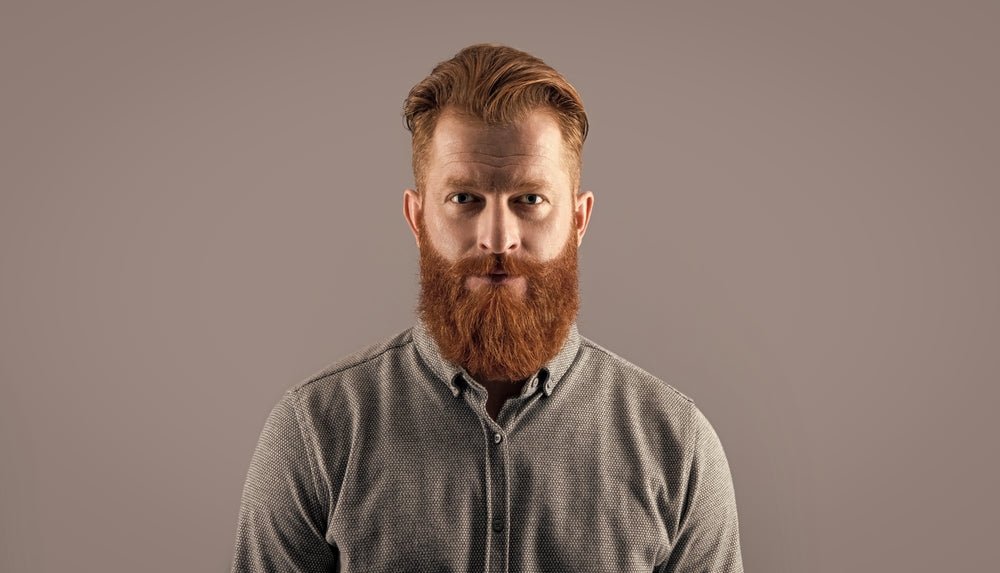
Growing out a beard creates a heavy physical counterweight against that bare scalp. Instead of someone's gaze wandering across a smooth dome, dense growth along the jawline drops their focus straight down to your eyes and smile. It gives your head a clear bottom boundary, carving out distinct angles where your natural bone structure might be soft, narrow, or slightly receding. You're basically building a custom jawline out of thick facial hair, providing depth and mass that changes your side profile just as much as your front reflection. That lower volume anchors your face, establishing a clean, rugged border that commands attention.
That added presence also changes how you carry yourself and how everyday clothing looks on your frame. A bare head with a clean-shaven chin can sometimes look unfinished above an open-collared work shirt or a heavy winter coat, but pairing a bare scalp with a dense beard gives your neck a solid, structured base. Ball caps sit with better proportion against your brow, sunglasses look intentional rather than oversized, and casual crewnecks frame your shoulders much better. It turns hair loss from an irritating hand dealt by genetics into a sharp, rugged personal hallmark that looks like you planned it from day one.
Matching Your Beard Shape to Your Bone Structure
The second your scalp goes bare, every natural angle, curve, and flat spot of your skull becomes obvious to anyone looking your way. When you had hair on top, you could use fades, tapers, or textured volume to tweak the height or width of your head. Without that hair, your facial hair becomes the main physical element you can alter to balance out your facial geometry. If you simply let hair sprout unchecked without a game plan, you risk exaggerating proportions that you might prefer to balance out.
Dialing in the right shape comes down to counterbalancing what nature gave you. If your face is naturally round, you don't want a puffy beard that doubles down on that circular look. If your jaw is long and thin, growing a pointy chin beard only pulls your face further south. Taking a hard, honest look in the mirror helps you identify your baseline bone structure so you can trim with real intention. Here is how to shape your growth across the four most common facial profiles:
Adding Length and Corners to a Round Face
A round face features soft, sweeping cheek lines where the horizontal distance across your cheekbones roughly matches the vertical distance from your brow to your chin. When shaving your head completely smooth, that lack of upper corners can make your entire head look spherical. Your main goal here is to create artificial angles and stretch the lower third of your face downward to establish a leaner profile.
To pull this off, you need to take bulk away from the sides while building length at the bottom:
-
Run your clippers with a shorter guard along your cheeks and sideburns, keeping the hair clipped tight to the skin so you don't add horizontal width.
-
Allow the growth directly on and beneath your chin to drop down, building several inches of dense, vertical length.
-
Trim the bottom base of the beard into a flat, blunt line or a sharp, angled wedge rather than following the round curve of your jaw.
-
Set sharp, well-defined cheeklines that slope down toward the corners of your mouth to break up the circular look across your cheeks.
Softening the Edge of an Angular Square Jaw
A square face comes packed with natural definition, sporting a broad jawline, flat cheek borders, and sharp jaw corners that drop straight down from the ears. While this rugged bone structure is something many men want, pairing an ultra-wide, blocky jaw with a smooth scalp can occasionally look rigid or harsh. The strategy for a square jaw isn't about stacking on more hard corners; it's about rounding the edges slightly while respecting the natural strength of your jawline.
You want a look that frames your lower face without turning your head into a cinder block:
-
Keep the density fairly consistent along the cheeks, jaw, and chin rather than letting any single area dominate.
-
Use a comb and a sharp pair of scissors to gently round off the back corners of your jawline, softening that ninety-degree angle into a clean, gradual sweep.
-
Shape the base of your beard under the chin into an oval contour instead of a blunt box, which helps smooth out the transition across your neck.
-
Avoid carving overly aggressive, ruler-straight cheeklines that make your face look overly severe under bright lighting.
Building Width Across an Oblong Face
An oblong or rectangular face is naturally tall and narrow, featuring plenty of vertical distance from your forehead to your chin but very little width across the cheeks. The biggest mistake a bald guy with an oblong face can make is growing a long, tapered beard that drops far below the collar. Stacking extra inches beneath a long face pulls the entire head downward, leaving you with an overly stretched look. Your job is to build out lateral volume to widen your profile horizontally.
Focusing on side fullness balances out that natural vertical height:
-
Let the hair on your cheeks, jawline, and sideburns grow out with thick, bushy density to push your profile outward.
-
Keep the length at the bottom of your chin trimmed tight to the bone line, never letting it drop more than an inch below your jaw.
-
Use a boar bristle brush to sweep side growth outwards before smoothing it down, adding body along the jaw flats.
-
Keep your mustache full and trimmed slightly wider past the corners of your mouth to add another horizontal element across the center of your face.
Filling Out Diamond and Heart Faces with Pointed Chins
Diamond and heart face shapes both share a distinct feature: a narrow, prominent chin that tapers down from wider cheekbones or a broad forehead. Once your scalp is shaved clean, wide cheekbones stand out even more, which can leave a small or pointed chin looking weak and unsupported by comparison. The objective here is to pack on dense bulk around the jawline to widen the bottom foundation of your face.
Using facial hair to build a sturdier foundation restores balance to your features:
-
Grow out the hair along the lower sides of your jaw and beneath the corners of your mouth to fill in hollow spots.
-
Trim the bottom of your beard into a wide, level line or a full, squared-off base that completely covers the pointed taper of your natural chin.
-
Maintain moderate length on the cheeks to keep the transition from your cheekbones down to the jaw looking natural and full.
-
Avoid styling the chin into an extended ducktail or pointed goatee, which only exaggerates the narrow bone structure underneath.
Blending the Sideburns into a Bare Scalp
When shaving your head completely smooth, the border line near your ears becomes a critical junction. A lot of guys make the mistake of drawing a hard horizontal cut right at the top of their ears with a razor or clipper. That abrupt stop creates an unnatural shelf, making your facial hair look disconnected—almost like you strapped on a fake beard rather than growing it out naturally. Striking a clean visual balance between a bare scalp and a thick jawline requires a deliberate strategy, and that connection comes down to how you handle your sideburns.
The secret to a clean transition is using your ear as a visual measuring tape. The sweet spot to start blending down is right where the top of your ear cartilage meets your skull. From that top anchor point down to the middle of your ear, right around the tragus, you want a gradual fade from bare skin to thick facial hair. Instead of a harsh edge, you build a subtle gradient that mirrors how natural hair density shifts. This softens the transition, letting your bare head taper naturally into a full jawline without any awkward stops.
Fading this area at your bathroom mirror doesn't require barber school credentials, just a steady hand and a standard set of clipper guards. Start with your bare clipper blade open or a short half-guard right at the very top of the sideburn, flush against the bare scalp. As you move downward toward the midpoint of your ear, step up to a number one guard, then switch to a number two guard as you reach the flare of your cheekbone. The key motion is a gentle outward flick of your wrist, pulling the clippers away from your skin as you work upward. That rocking stroke stops you from carving harsh steps into the hair, creating a seamless gradient that looks intentional and clean.
Once you dial in that fade, protecting it during your regular head shaves is half the battle. When you run your razor over your scalp a couple of times a week, it's easy to get careless and slice straight down into the blended zone, wiping out your hard work. You can avoid this by stopping your scalp razor about an inch above the top of your ear, using a handheld mirror to check your side angles. Clearing away the stray fuzz above that line while leaving the blended taper untouched protects the clean balance between your smooth scalp and your beard.
Washing and Drying Without Stripping Your Skin
Washing a bald head and washing a beard are two completely opposite operations happening on the exact same skull. Your scalp produces a steady flow of natural oils and can handle a routine morning wash without drying out too fast. Facial skin, on the other hand, is significantly thinner, far more sensitive, and relies on a delicate moisture layer that's easy to wipe out. If you grab the same bar soap or body wash you use on your shoulders and scrub it through your jawline, you're stripping away the scarce sebum your face needs to stay comfortable. That harsh scrubbing leaves the skin beneath your beard tight, irritated, and covered in dry flakes that stand out against a clean scalp.
To dodge that itch and support comfortable skin, switch to a dedicated wash formulated specifically for facial hair. Dedicated beard soaps and conditioning washes use mild plant-based cleansers that lift away grime and excess sweat while leaving your skin's protective lipid barrier intact. You don't need to lather up every single morning, either. For most guys, washing with a dedicated cleanser two or three times a week is the sweet spot. On the days between, running clean, lukewarm water through your facial hair in the shower clears out daily dust without pulling out the moisture your hair needs to stay pliable.
How you dry your face after the shower has just as much impact on your beard as the cleanser you pick. Most men step out of the shower, grab a rough cotton bath towel, and scrub their face back and forth as fast as humanly possible. That aggressive friction rips at the cuticle scales along each hair strand, leading to broken hairs, split ends, and wild morning frizz. Instead of rubbing, take a soft microfiber cloth and gently pat your beard dry. Microfiber absorbs water quickly on contact without catching or tearing the hair pattern, leaving the strands damp and ready for styling.
If you're sporting a medium or long beard, a blow dryer on a cool or low-heat setting gives you control that air drying can't match. Pointing the nozzle straight down from your cheeks toward your chin while running a wide-toothed comb through the damp hair flattens stubborn kinks and shapes the strands into a uniform direction. This downward airflow resets the hair's temporary hydrogen bonds as it dries, training flyaways to hug your jawline without burning your skin or parching the follicles. Finishing with a quick blast of cool air seals the cuticles, setting a smooth shape that stays neat throughout the day.
Ditching Cheap Plastic for Wood, Carbon Fiber, and Boar Bristle
Once your facial hair starts gaining some density, running your fingers through it isn't enough to train the strands or clear out tangles. The common mistake most men make is grabbing whatever cheap, injection-molded plastic comb happens to be lying around the bathroom. Those factory plastic combs are pressed out in split molds that leave behind microscopic jagged seams along every single tooth. Every time you drag those plastic teeth through your beard, those rough ridges act like miniature saws, tearing open the cuticle layer of your hair and causing split ends. On top of that, flexible plastic generates static electricity as it passes through coarse facial hair, making the strands flare out in a frizzy circle instead of laying flat against your jaw.
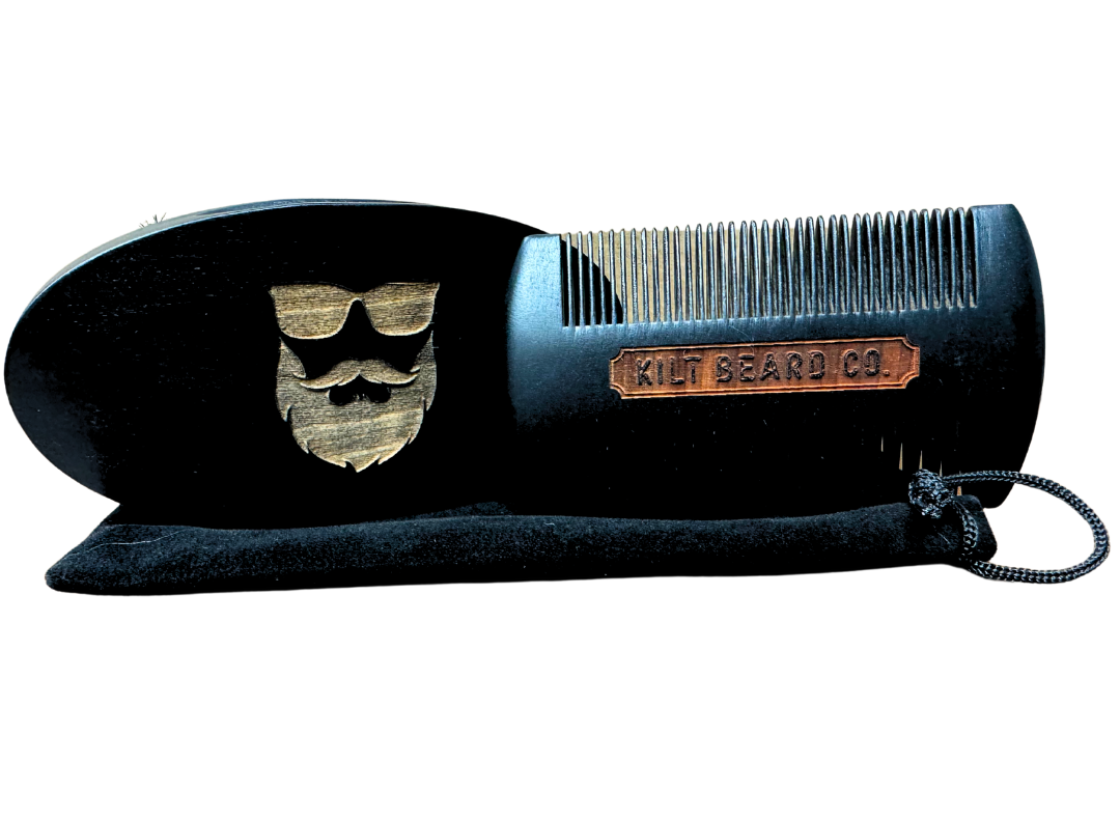
Upgrading to hand-carved wood or carbon fiber combs stops that damage immediately. A wide-toothed wooden comb glides through dense patches without producing static, opening up knots smoothly while being gentle on the follicle roots. If you want a comb that can survive being tossed into a back pocket or a travel bag, carbon fiber is a fantastic modern alternative. Carbon fiber combs are naturally anti-static, heat-resistant, and cut with smooth edges that won't grab or snap coarse hairs under tension. Whether you prefer the warm feel of hardwood or the rigid durability of carbon fiber, choosing seamless teeth preserves hair health and stops mechanical breakage in its tracks.
For shorter growth or daily follicle training, a firm brush packed with natural boar hair does things a comb simply can't handle. Synthetic nylon pins are completely smooth, so they just push hair around without doing anything for the skin underneath. Natural boar bristles have a microscopic scaled surface that grabs the natural sebum oils sitting on your face and sweeps them down the full length of each strand. That oil transfer softens the hair naturally while the stiff bristles sweep away dead skin cells, clearing out flakes before they land on your collar. Daily brushing also trains stubborn, curly growth to lay downward along the jawline, creating a clean frame that pairs naturally with a smooth scalp.
The way you run these combs and brushes through your face matters just as much as what they're made of. If you start ripping a comb straight down from your cheeks, you'll hit deep knots, snag the hair, and yank healthy strands out by the root. Instead, work in short, gentle strokes starting at the bottom tips of your beard to untangle the edges first. Once the perimeter is free of knots, work your way upward toward the cheeks, combing downward in smooth, continuous motions to set your final shape. Following up with a boar bristle brush smooths the outer layer, leaving your facial hair looking sharp, unified, and intentional.
Dialing in Daily Moisture and Shaping Control
When your scalp is shaved down to the skin, your facial hair sits under a harsh spotlight. Without any hair on top to pull attention, a dry, crunchy beard or a frizzy halo of flyaways stands out the second you step out the door. Maintaining soft, healthy facial hair isn't complicated, but it does require picking the right formulas for the right jobs. Beard oils, balms, and butters might seem similar in a tin or bottle, yet each one tackles a completely separate part of daily grooming. Knowing how these three options work together gives you full control over how your beard feels to the touch and how it frames your jawline.
Beard Oil to Hydrate the Skin Beneath
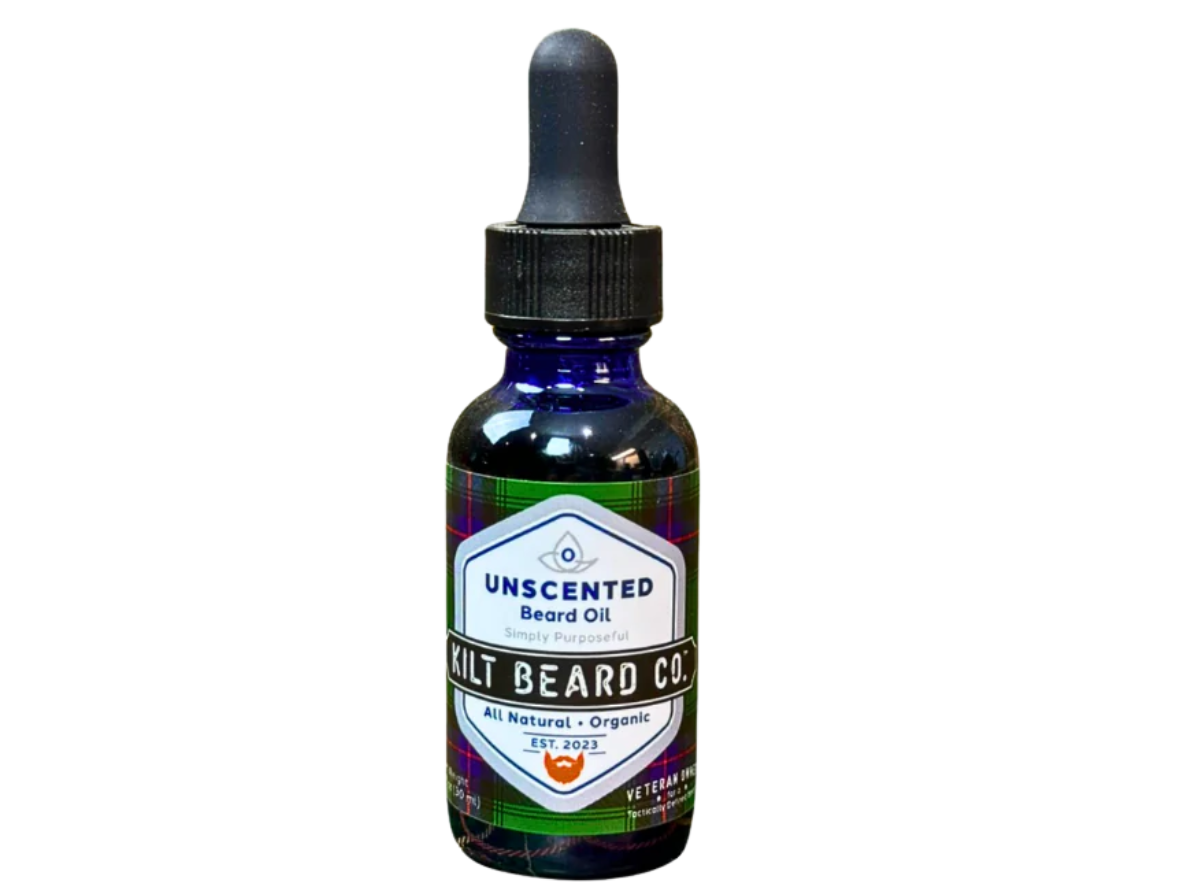
One of the biggest oversights guys have when growing facial hair is thinking beard oil is just for the hair itself. The real target of a quality beard oil is the dermal layer hiding underneath. As your facial hair grows longer, each strand draws moisture away from your face to stay hydrated. Your skin can only produce so much natural sebum, and once the beard gets past stubble, those glands can't keep up. Without replacement moisture, the skin dries out fast, leading to relentless itching, tightness, and white flakes drifting onto your shirt.
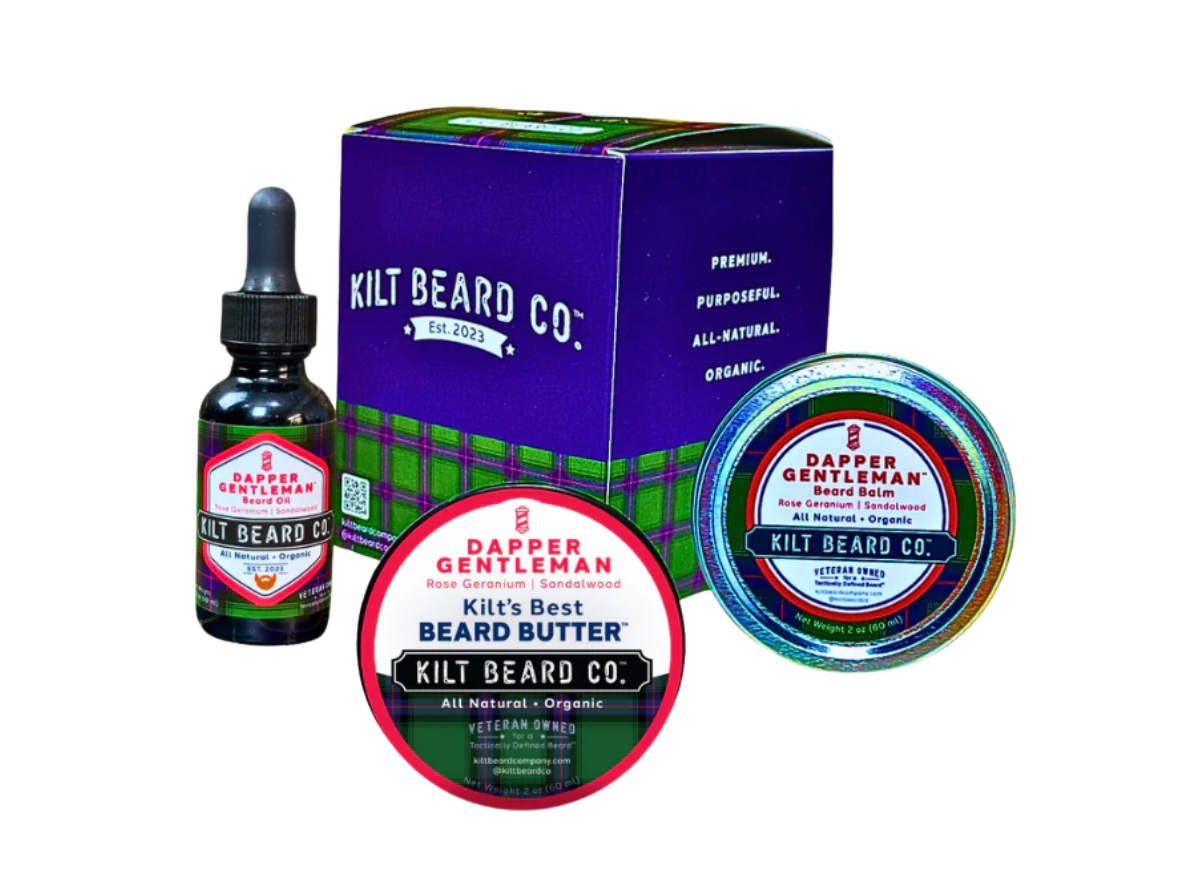
Applying a few drops of beard oil daily puts an end to that dry spell. The ideal window to apply is right after you towel-dry from the shower; when your pores are warm and receptive. Put 3-6 drops into your palms, rub your hands together, and drive your fingers deep into the hair so the oil reaches the skin underneath. Once the face is conditioned, sweep your palms over the outer beard to coat the coarse strands. Cold-pressed carrier oils like golden jojoba and argan absorb quickly without leaving an oily film, keeping the skin comfortable while turning stiff facial hair soft and pliable.
Beard Balm for Daytime Structure and Flyaway Control
Liquid oil does wonders for the skin beneath, but it won't stop stray hairs from flaring out when a gust of wind hits your face. If your facial hair is naturally coarse or curly, you need a formula with physical hold to shape your beard into a clean perimeter. For a bald guy, having rogue flyaways branching off in every direction ruins the clean contrast against a smooth scalp. This is where a dependable beard balm earns its place in your morning routine.
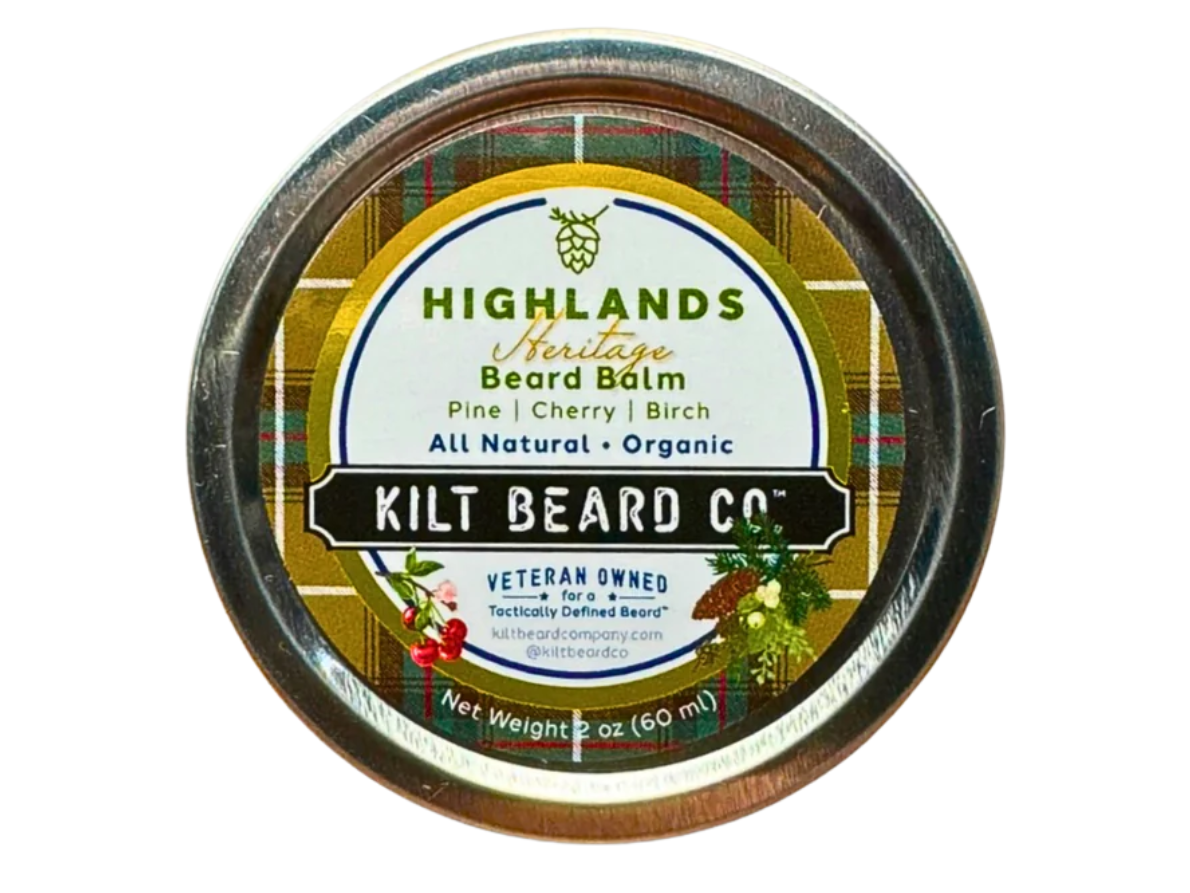
A balanced beard balm combines unrefined plant butters and carrier oils with natural beeswax. That wax content is what gives balm its light to medium hold, letting you press down unruly hairs and lock in your desired outline until evening. To use it, scrape out a dime-sized amount with the back of your thumbnail and rub it between your hands until the friction melts the wax completely. Work it from the neckline up through the cheeks, then use a comb or your palms to smooth the sides down against your jaw. The beeswax coats the hair shaft, sealing in moisture and creating a protective shield against humid weather.
Beard Butter for Deep Overnight Conditioning
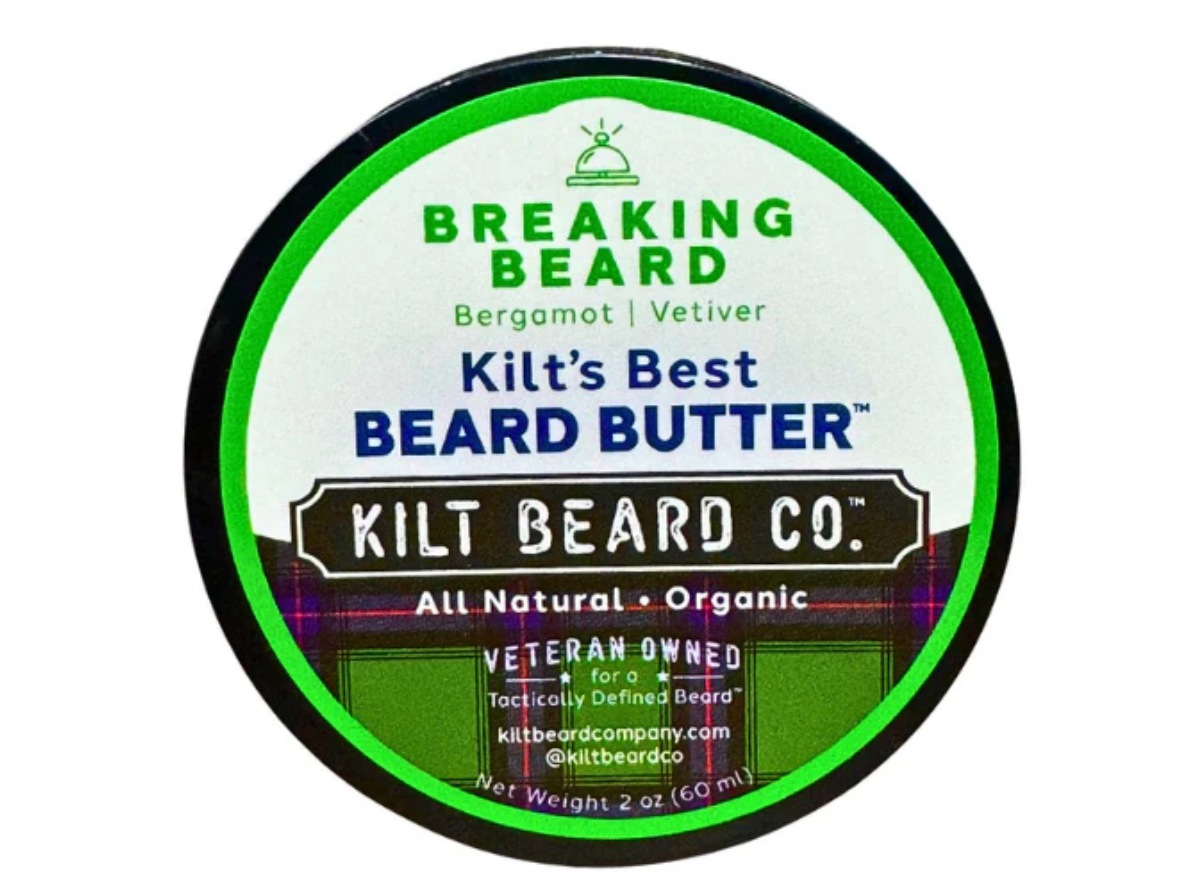
If you want maximum softness without the firm hold of beeswax, beard butter is the clear winner. Beard butter skips wax entirely, relying on rich, whipped plant fats like raw shea, kokum, or mango butter blended with lightweight carrier oils. Because there is zero wax to stiffen the hair, butter melts the second it hits your hands and sinks deep into the hair fiber rather than sitting on the outside.
This deep absorption works on the internal core of coarse strands, relaxing dry whiskers and restoring natural elasticity so the hair bends without snapping. It gives facial hair a clean matte finish that looks healthy without adding an artificial, greasy shine. Butter shines brightest as an overnight leave-in treatment after an evening rinse. Working a generous scoop through damp hair before hitting the pillow allows the unrefined plant fats to nourish your beard while you sleep. You wake up with touchably soft facial hair that glides through a comb effortlessly when you start your day.
Defining Clean Borders and Shaping the Mustache
When your head is shaved smooth, your beard's outer edges become the primary framing lines on your entire face. An overgrown neckline or an untended mustache instantly pulls attention away from a clean scalp, making your daily grooming look neglected rather than intentional. Dialing in these perimeters doesn't require hours in front of the mirror, but it does demand exact placement and steady physical control. Nailing the center mustache and locking in crisp border lines brings your entire look into sharp, balanced focus.
Two Methods for Managing the Mustache
Sitting right in the center of your face, your mustache anchors the visual gap between a smooth forehead and a heavy jawline. If the hair hangs loose over your mouth, it catches food and drink while getting in the way of normal speech. You've got two reliable ways to manage this growth depending on the density you want:
-
Precision Scissor Trimming Along the Lip: Comb the dry mustache hair straight down over your top lip with a fine-toothed comb to expose any uneven length. Holding your facial muscles neutral rather than smiling or stretching your mouth, rest the flat blade of your beard scissors parallel to your top lip line. Snip the overhang in short, deliberate cuts from the center outward toward each corner, leaving a clean border that never dips into your mouth.
-
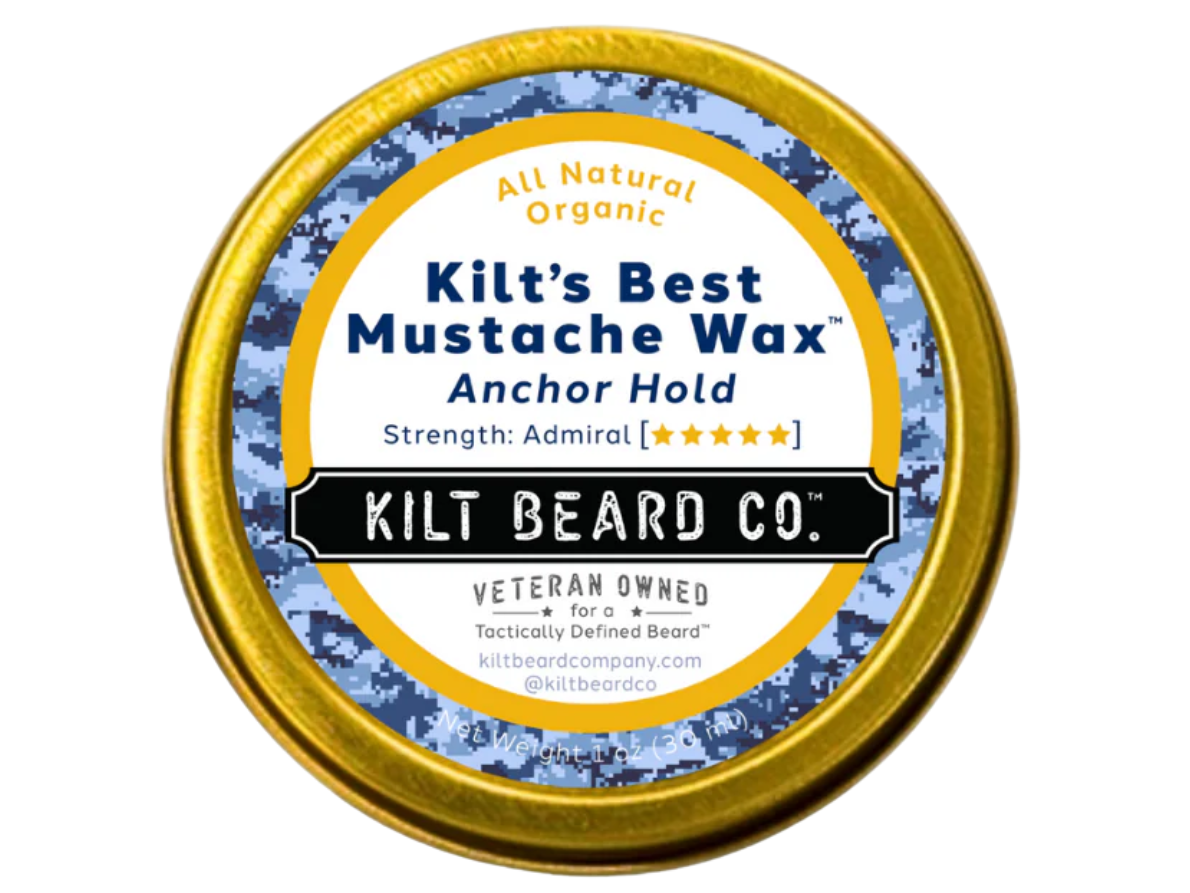
Wax Styling for Lateral Fullness: If you want a fuller mustache that ties directly into the density of your beard, let the length develop and train the grain horizontally. Scrape a small bead of firm mustache wax with the back of your thumbnail, warm it between your index finger and thumb until clear, and work it outward from the center groove under your nose. Run a comb through the hair immediately after application to sweep the strands sideways toward your cheeks, locking the hairs away from your mouth while building lateral body across your upper lip.
Setting the Neckline and Preserving the Cheeks
Establishing your neckline is where a lot of guys create problems, often shaving far too high and stripping away the beard's structural base. Tilting your chin up into the mirror stretches your neck skin, which tricks you into carving the line right along the jawbone; once you look forward normally, that high cut exposes an awkward fold of bare skin. Setting your borders cleanly comes down to following natural anatomical landmarks:
-
The Two-Finger Neckline Baseline: Look straight ahead into the mirror with your chin level to the floor, and place your index and middle finger flat against your throat directly above your Adam's apple. The spot right above your top finger marks the lowest point of your central neckline. From that center anchor, sweep your trimmers in a gentle upward curve toward the base of each earlobe, clearing away every stray follicle beneath that boundary to create a crisp shadow under your jaw.
-
Preserving the Natural Cheekline: Your upper cheek border looks best when left as high and natural as possible rather than carved into an artificial, low curve. Identify the natural diagonal running straight from the bottom of your sideburn fade down to the outer corner of your mustache, and shave only the scattered rogue hairs that grow above that line on your upper cheekbones.
-
Spot-Checking with Detailing Scissors: Electric trimmers move fast and can easily slip, gouging an accidental gap into a crisp perimeter line. When dealing with stray rebel hairs that stick out along the cheekline or under the earlobes, isolate them individually with a comb and snip them using your beard scissors. Clearing those single flyaways by hand maintains your established lines without chewing through your beard's thickness.
Backing Up a Shaved Dome with Heavy Timber
Pairing a bare scalp with a dense beard creates an unmistakable balance that commands respect the moment you step into a room. The raw contrast between a smooth head and a heavy jawline carries a rugged authority that never needs to ask for permission. You don't need to overcomplicate the look to make an impact when your facial hair carries real density and genuine confidence. It's a timeless, masculine presentation that stands firm from every angle and lets your presence speak entirely for itself.