
The scratchy, dry feeling of a neglected beard is enough to make any guy reach for the razor before the sun goes down. Most men start their grooming routine with whatever product is closest on the shelf, only to wonder why their skin feels like sandpaper and their hair looks like a bird's nest. Choosing high-quality ingredients isn't about chasing a trend or trying to look fancy in front of the bathroom mirror. It’s about recognizing that what you put on your face either helps your beard thrive or leaves it struggling against harsh chemicals and cheap fillers. This shift in perspective turns a chore into a solid part of your day that actually delivers results you can feel.
The Roots of Quality Labels
The words "premium" and "organic" get thrown around a lot these days, often as a way to hike up a price tag without much substance behind the change. To see through the fog, we have to look back at how the grooming world used to operate. For decades, men’s facial care was an afterthought. You had your bar of industrial-strength soap and maybe a splash of alcohol-heavy aftershave that burned like a wildfire. Those products were "efficient" in the sense that they removed dirt, but they were brutal on the skin.
As guys started growing longer, thicker beards, the limitations of those old-school methods became obvious. The "premium" movement started when small-batch makers realized that the skin on a man’s face is more sensitive than the skin on his arms or legs. They began looking at ingredients used in high-end skincare and realized those same principles belonged in a beard kit. It wasn't about being "luxury" for the sake of it; it was about moving away from the mass-produced, petroleum-based gunk that was clogging pores and making hair brittle.
"Organic" entered the conversation as a response to the heavy use of pesticides and synthetic fertilizers in industrial farming. When you’re applying an oil to your face that stays there all day, you don’t really want a side of chemical residue soaking into your bloodstream. Organic standards meant that the jojoba, argan, and coconut oils were grown in a way that preserved their natural strength. It shifted the focus from how cheap a company can make a product to how pure they can keep it.
Defining the "Premium" Standard
When we talk about premium beard care, we aren't just talking about a glass bottle or a cool logo. We are talking about the grade of the ingredients and the way they are processed. In the mass-market world, many companies use "refined" oils. These are oils that have been heated to extreme temperatures or treated with chemical solvents like hexane to extract as much liquid as possible from the seed or nut. This process kills off the vitamins and antioxidants that make the oil useful in the first place.
A premium product, on the other hand, uses cold-pressed or virgin oils. This method involves mechanically pressing the seeds at low temperatures, which keeps the nutrient profile intact. It’s a slower, more expensive process, but the result is a product that actually feeds your hair follicles rather than just coating them in a dead film.
So, by focusing on these production standards, premium brands ensure that the guy using the product gets the most out of every drop. It's about the efficacy of the formula, not the height of the price tag.
The Organic Advantage
Organic and Non-GMO certification is more than just a buzzword. It’s a guarantee of a clean supply chain. When a carrier oil is certified organic, it means the plants were grown without synthetic pesticides, herbicides, or fertilizers. This is vital for beard care because the skin on the face is highly porous. If you’re rubbing a pesticide-laden oil into your beard every morning, those chemicals are finding their way into your pores.
Organic farming also tends to produce plants with higher nutrient density. Because the soil is managed naturally, the plants have to develop stronger defense mechanisms, which often translates to higher concentrations of beneficial polyphenols and antioxidants. These are the compounds that help soothe skin irritation and prevent the hair from becoming dry and brittle.
For the average guy, all this means is that the stuff in a bottle, container, or tin is closer to what nature intended, which can often lead to less irritation and a softer feel.
Beard Care Products That Use Premium and Organic Ingredients
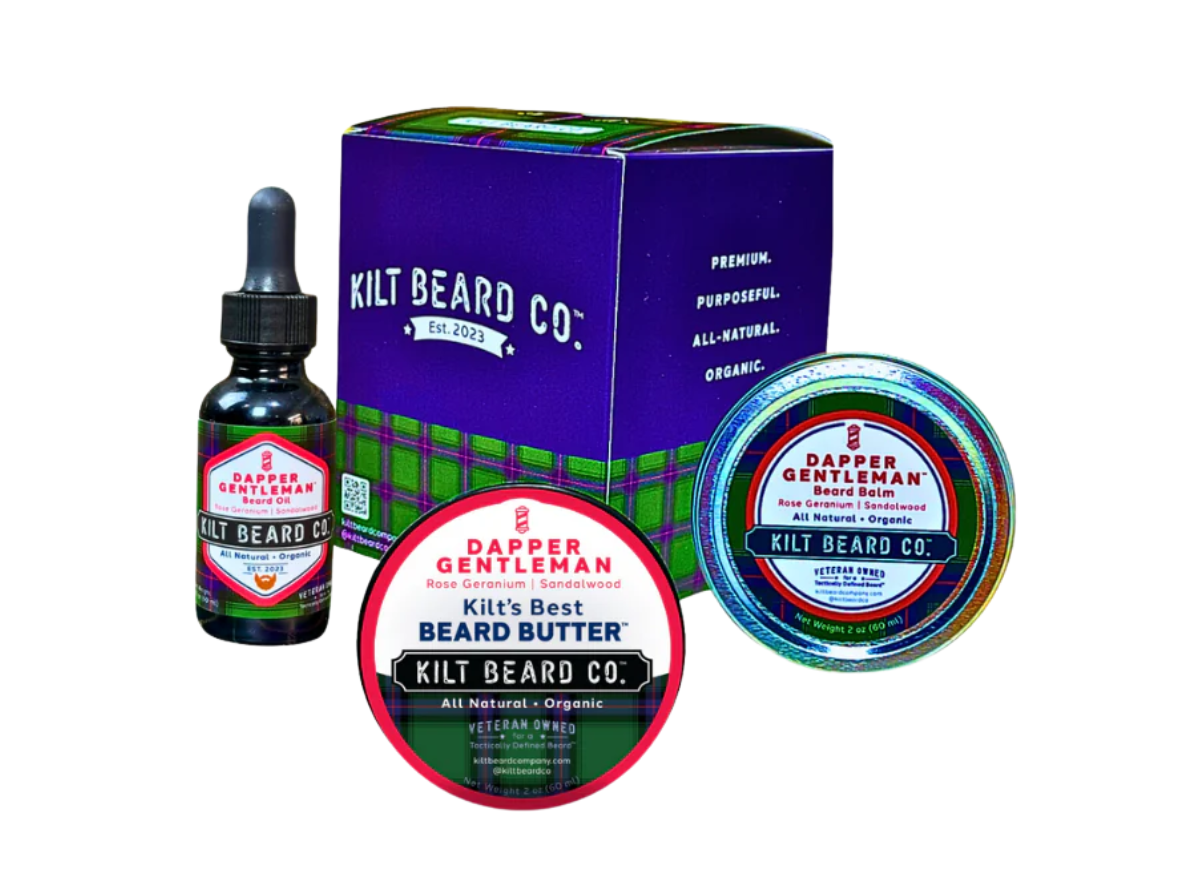
Men should know about beard care products with premium and organic ingredients because these natural components are often more compatible with the skin's chemistry than synthetic alternatives. Again, using high-quality, plant-based oils helps better maintain both the facial hair and the skin underneath.
Beard Oil: The Foundation of the Routine
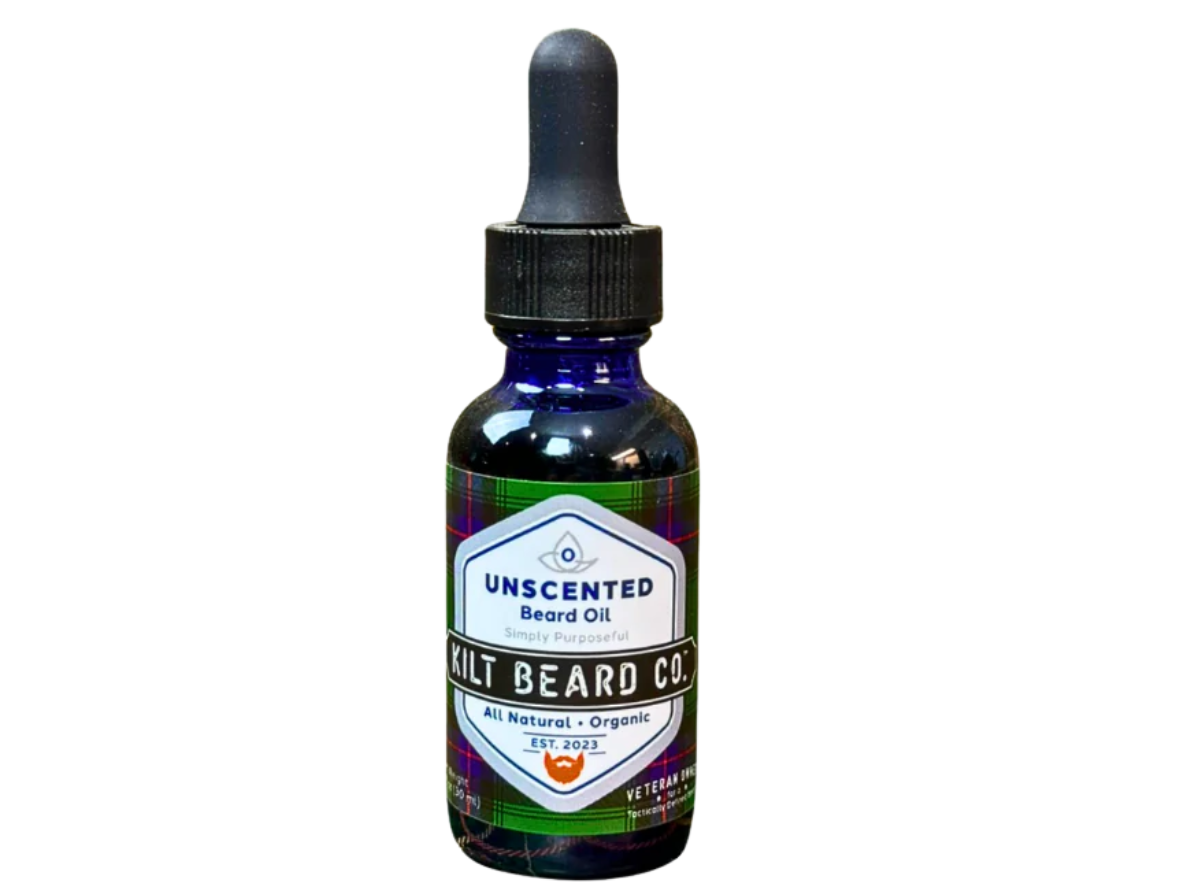
If you’re only going to use one thing, it’s usually beard oil. This is where the difference between a budget bottle and a premium organic blend is most obvious. Budget oils often rely on filler ingredients like mineral oil or heavy silicones. These might make the hair look shiny for an hour, but they don't actually do anything to help the hair. In fact, mineral oil can sit on the surface, trapping heat and bacteria against your skin, which for many guys leads to the dreaded "beardruff".
A premium organic beard oil swaps those fillers for high-quality carrier oils like Jojoba, Argan, and Sweet Almond oil. Jojoba is particularly interesting because it’s a liquid wax that is nearly identical to the sebum—the natural oil—your skin produces. When you use an organic version, you're getting the full nutrient profile without any chemical solvents. This helps the oil soak in quickly instead of leaving a greasy film on your collar.
The organic side also extends to the essential oils used for scent. Cheap fragrances are often synthetic perfumes that can cause skin issues or dry out the hair. Premium brands use steam-distilled essential oils from cedarwood, sandalwood, or citrus peels. These don't just smell better; they bring their own benefits. High-quality cedarwood can help soothe the skin under the scruff, making the whole experience more comfortable as the hair grows out.
Beard Balm: Shaping with Substance
While oil is for the skin, balm is for the hair itself. It’s designed to provide a bit of hold and a lot of conditioning. In the budget world, you’ll see balms that use petroleum jelly or paraffin wax as the base. These are cheap to produce and give a heavy hold, but they are a nightmare to wash out and can leave your beard feeling like a plastic broom.
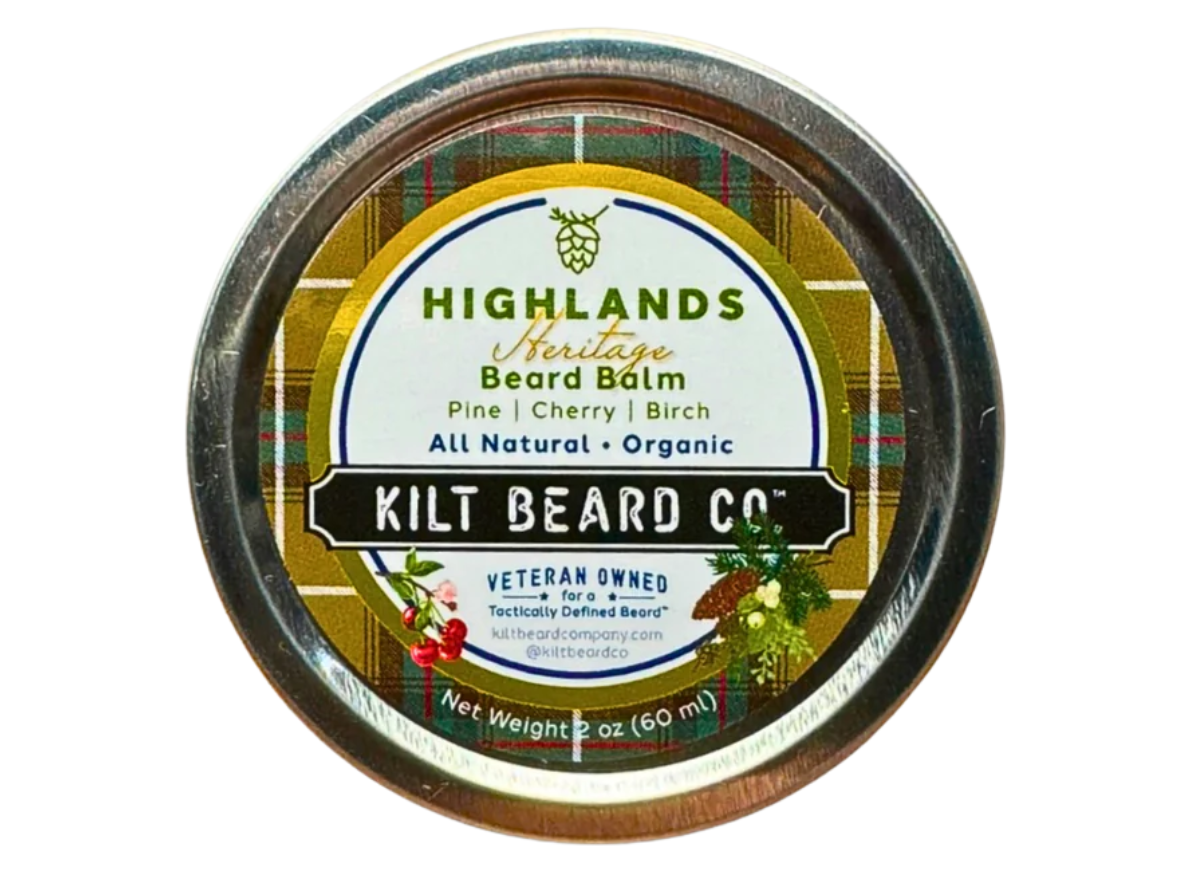
Premium balms are built around organic Shea butter, Cocoa butter, and Beeswax. These ingredients are rich in fatty acids that can help strengthen the hair shaft. Organic Shea butter is a powerhouse for hydration; it stays solid at room temperature but melts instantly when you rub it between your palms. This allows for a smooth application that doesn't tug on your follicles.
When you choose a balm with organic ingredients, you're avoiding synthetic hardeners. Instead, the premium hold comes from the natural properties of the beeswax. This provides a flexible shape that stays in place but still feels like real hair. It’s the difference between having a beard that feels like a helmet and one that looks natural but stays where you want it. This level of quality helps your beard stay soft to the touch throughout the day.
Beard Serum: The Heavy Hitter
Serums are often misunderstood. Guys think they’re just expensive beard oils, but a premium serum is a unique beast. While oils focus on daily maintenance, serums are designed for deep-level support. They usually contain a higher concentration of active ingredients like Vitamin E, silk proteins, or specific plant extracts like Baobab or Sea Buckthorn.
The premium tag here usually refers to the molecular weight of the ingredients. A high-quality serum is formulated to penetrate the hair cuticle more deeply than a standard oil can. This is helpful for guys with very coarse or curly hair that tends to get tangled and dry. When these ingredients are organic, they retain more of their natural antioxidants. These antioxidants can help protect the hair from environmental damage like UV rays or city smog, which can often turn a beard yellow or brittle over time.
Because serums are so potent, you don’t need to use much. A premium serum shouldn't feel heavy; it should vanish into the hair almost immediately. If you’re using one that feels sticky, it’s likely loaded with cheap glycerin or synthetic polymers. An organic serum relies on the natural slickness of its plant-based components to provide that smooth finish.
Beard/Mustache Wax: Strength from the Earth
For the guys who want a handlebar mustache or a beard that doesn't move in a hurricane, wax is the go-to. However, there’s a massive gap between industrial wax and premium organic wax. Cheap waxes often use chemical resins to get that "super glue" hold. This makes the wax incredibly hard to work with—you often have to blast it with a hairdryer just to get some out of the tin—and even harder to get out of your hair at night.
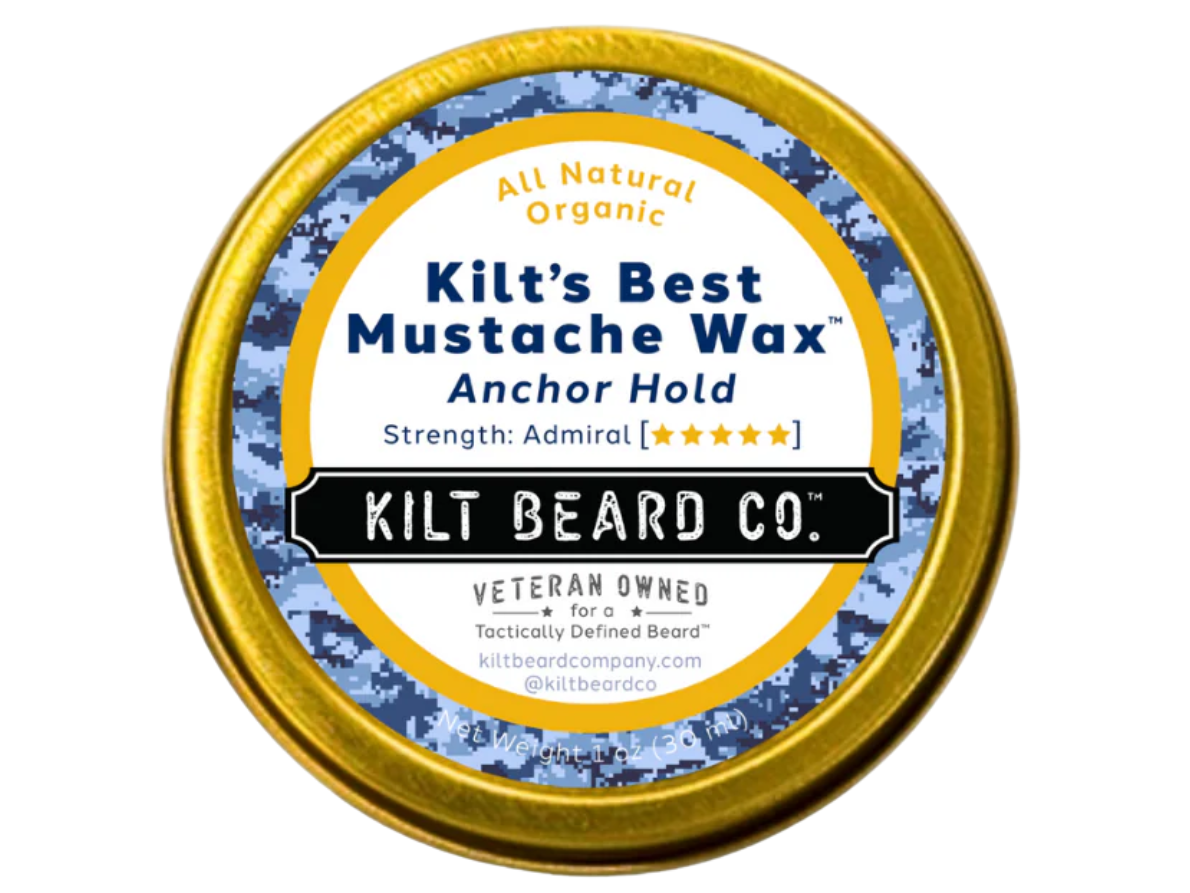
Premium waxes use a high concentration of organic beeswax mixed with something like Pine Rosin or Lanolin. Pine Rosin is a natural sap that provides incredible tackiness without the need for synthetic chemicals. Lanolin, which comes from sheep’s wool, is a natural waterproofer that helps keep the hair hydrated even while it’s being held in a specific shape.
Using organic ingredients in a wax is a smart move because the product sits so close to your nose and mouth. You’re breathing in those ingredients all day. A premium, organic wax will have a clean, earthy scent from the natural resins and oils, rather than a chemical odor. It provides a solid hold that you can still restyle with your fingers if things get messy.
Beard Butter: The Night Guard
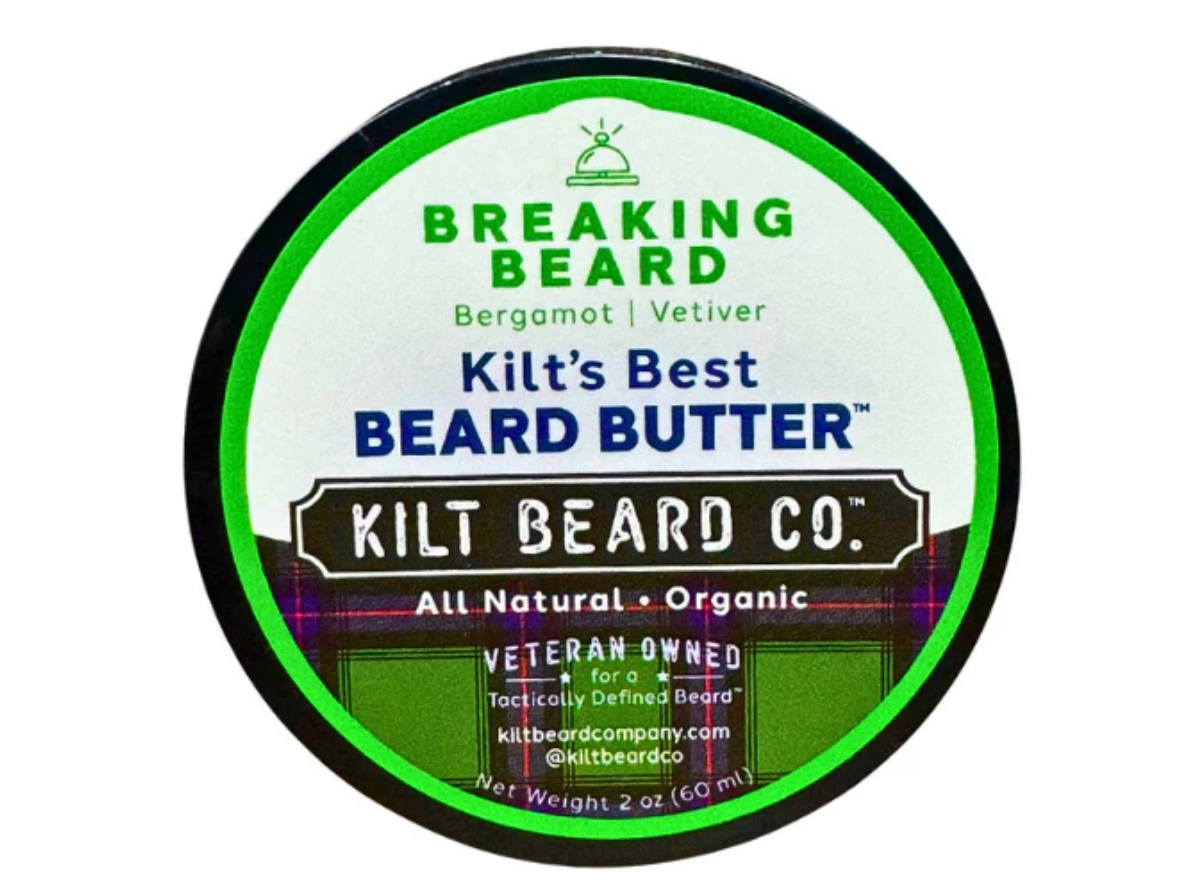
Beard butter is the middle ground between oil and balm, focusing almost entirely on conditioning. It usually has very little to no wax, meaning it won't give you much hold, but it will make your beard incredibly soft. Many guys use this as a "night mask" for their face hair.
The premium factor in butter comes down to the quality of the fats. Organic Mango butter and Kokum butter are common in high-end blends. These butters have a low melting point and a high absorption rate. If you use a cheap butter, you’ll likely find grease stains on your pillowcase the next morning. A premium organic butter, however, soaks into the hair fibers while you sleep.
Because organic butters are processed without harsh refining chemicals, they keep their natural vitamins like A and E. These nutrients are vital for maintaining the elasticity of the hair. When your beard hair is elastic, it doesn't snap when you brush it. This helps you keep the length you’ve worked hard to grow. It’s a straightforward way to keep your scruff looking healthy without much effort.
Beard Wash & Conditioner: Why Your Face Isn't Your Scalp
One of the biggest mistakes guys make is using standard hair shampoo on their beards. Scalp shampoo is designed to strip away the heavy oils produced by your head. Your face doesn't produce nearly that much oil, so when you use that stuff on your beard, it leaves the skin underneath bone-dry.
A premium beard wash is formulated with gentler, plant-derived cleansers. Instead of Sodium Lauryl Sulfate (a common, harsh detergent), a high-quality wash might use Decyl Glucoside, which is derived from corn or coconut. It still gets the dirt and food out of your beard, but it doesn't strip away the natural oils your skin needs to stay healthy.
Organic conditioners take it a step further by using ingredients like Aloe Vera leaf juice and Pro-Vitamin B5. These help to "close" the hair cuticle after washing, locking in moisture. When these ingredients are organic, they are more likely to be free from the synthetic fragrances and preservatives that often irritate the skin. Using a premium wash and conditioner combo can often stop the itch that plagues many guys in the early stages of growth.
Beard Soap: The Traditional Way Done Right
Some guys prefer a solid bar over a liquid wash, and there’s nothing wrong with that if the soap is up to par. Budget bar soaps are usually full of synthetic foaming agents and artificial hardeners that make them last forever but dry out your skin in a single use.
A premium organic beard soap is usually made through cold-process saponification. This method preserves the natural glycerin—a humectant that pulls moisture into the skin—rather than removing it to sell as a separate product, which is what industrial soap makers do. These soaps often feature organic Goat Milk, Shea butter, or even French Green Clay.
The clay in a premium soap helps to gently draw out toxins and excess oil from the pores without being abrasive. Because the ingredients are organic, you’re not dealing with the synthetic dyes that give cheap soaps their bright colors. You get a rich, creamy lather that leaves your beard feeling clean but still supple. This is a great choice for guys who want a simple, effective routine without a bunch of plastic bottles cluttering the shower.
Beard Spray: The Modern Finisher
Beard sprays and refresher mists are relatively new to the scene. They are designed for the guy who is on the go and needs to kill a weird smell (like smoke or food) or just give his beard a quick hit of hydration in the middle of a dry day.
The problem with cheap sprays is that they are often mostly alcohol. Alcohol evaporates quickly, which feels cooling, but it takes your skin's natural moisture with it. A premium beard spray is usually alcohol-free, using a base of organic Witch Hazel or Rose Water. These ingredients are natural astringents that can help keep the skin clean without drying it out.
Organic essential oils are also key here. Since the spray is a finishing product, the scent is front and center. Using high-quality, organic oils means the scent will be subtle and natural, not overpowering like a cheap cologne. It’s a handy way to stay on top of your grooming when you don't have time for a full session.
The Chemistry of Synthetic vs. Organic
Now, to truly understand why premium matters, you have to look at the chemistry of what's in the bottle. Cheap products are often built around "emollients" like dimethicone. This is a silicone that creates a plastic-like coating over the hair. While it makes the beard feel soft for a few minutes, it's actually suffocating the hair and skin.
Organic oils are composed of triglycerides and fatty acids. These are bio-compatible, meaning the body recognizes them and can actually use them. Instead of sitting on top of the hair, these oils penetrate the cortex of the hair fiber. This builds strength from the inside out, rather than just faking a healthy look on the surface.
The four you wll come across are:
-
Synthetic Silicones: Block moisture from entering the hair, leading to long-term dryness.
-
Organic Fatty Acids: Replenish the hair’s natural lipid barrier.
-
Parabens: Common synthetic preservatives that can disrupt hormones; absent in organic lines.
-
Phthalates: Used in synthetic scents and linked to skin irritation; avoided in premium products.
The Myth of the “Cheap Alternative”
Lots of guys try to save money by buying the "bargain" beard oil or beard balm at the local drugstore or grocery store, thinking it’s the same stuff. But when looking at the math, the bargain isn't always there. Because premium and organic products are more concentrated, you use much less per application. A 1oz bottle of high-quality oil might last you three months, whereas you might find yourself dumping half a bottle of the cheap stuff on your face just to get the same level of softness.
Furthermore, the "cost" of a cheap product often shows up in other ways. If a budget wash causes a breakout or makes your beard so dry that you have to buy three other products to fix the damage, you haven't actually saved any money. You've just complicated your routine.
Investing in quality from the start is about efficiency. You get the results you want with fewer steps and less product waste. It’s the same logic as buying a pair of boots that last ten years instead of buying a new pair of cheap sneakers every six months. In the grooming world, quality pays for itself in the health and appearance of your beard.
Why Your Skin Type Dictates Your Choice
Not every beard is the same, and not every skin type reacts the same to ingredients. This is another area where premium products shine. Because they use a variety of organic oils, you can find a blend that matches your specific needs.
If you have oily skin, a premium oil might use more Jojoba and Grape Seed oil to balance things out. If you have dry, flaky skin, the formula might lean more on Argan and Avocado oil. Budget products are usually "one size fits all," which usually means they fit nobody perfectly. They use the cheapest possible carrier oils regardless of how they affect different skin types:
-
Dry Skin: Look for Avocado, Argan, and Olive oils.
-
Oily Skin: Look for Jojoba, Grape Seed, and Hemp Seed oils.
-
Sensitive Skin: Stick to fragrance-free organic options or those with Lavender.
-
Coarse Hair: Needs the heavy lifting of Shea butter and Castor oil.
The Environmental and Ethical Side
For many men, "premium" and "organic" are also about the ethics of the brand. Mass-market grooming products are often tested on animals and use ingredients that are harvested in ways that damage the environment (like non-sustainable palm oil).
Organic certification usually comes with a commitment to better farming practices. This includes crop rotation, avoiding toxic runoff into local water supplies, and ensuring fair labor practices for the people harvesting the nuts and seeds. When you buy a premium product from an authentic brand, you’re supporting a supply chain that values the planet as much as the product. To break it down further for a second:
-
Cruelty-free: Ensuring no animals were harmed for your grooming routine.
-
Sustainable sourcing: Protecting the forests and ecosystems where ingredients grow.
-
Biodegradable: Ingredients that break down naturally without harming the ocean.
-
Transparency: Knowing exactly where every drop of oil came from.
The Long-Term Results of Quality Care
If you use premium organic products for six months, you will notice a change that goes beyond just the surface. The hair itself will become more manageable. You’ll find fewer split ends. The skin under your beard will look healthy and clear, rather than red and irritated.
This is the real value of the premium approach. It’s not about the instant gratification of a synthetic shine. It’s about the cumulative effect of giving your body what it needs to perform its best. A beard that is well-fed with organic nutrients will always look better than one that is just "covered up" with chemicals.
By prioritizing quality, you're setting yourself up for success as your beard gets longer and older. Just like a good diet affects your energy levels, a good grooming routine affects how your facial hair holds up over the years. It’s a simple choice that makes a massive difference in how you present yourself to the world.
Why "Natural" Isn't Always Enough
You’ll often see products labeled as "natural" that aren't actually organic or premium. "Natural" is a marketing term with very little legal regulation. A company can put a tiny bit of coconut oil in a bottle of chemicals and call it a "natural" product.
This is why looking for the "organic" label and the "premium" production methods is so important. It cuts through the noise. It tells you that the brand has gone the extra mile to prove that their ingredients are what they say they are. It’s about the integrity of the formula, not just the buzzwords on the label. So, you must do the following:
-
Read the label: If the first ingredient is water or mineral oil, it's not premium.
-
Look for certifications: USDA Organic or similar labels provide peace of mind.
-
Research the brand: Authentic companies are proud to talk about their sourcing.
-
Trust your skin: If a product makes you itch, it doesn't matter what the label says.
A Solid Foundation for the Long Haul
A solid beard routine shouldn't feel like a chemistry experiment or a luxury you can't afford to maintain. Making the choice to prioritize high-quality, plant-based ingredients is a straightforward way to respect the hair you’ve spent months growing. When you strip away the flashy labels and the empty promises, you’re left with products that work because they align with how your skin and hair actually function. Taking this approach means you’re looking out for the long-term health of your scruff instead of just looking for a quick fix that fades by noon. It’s about building a daily look that feels as good as it looks.