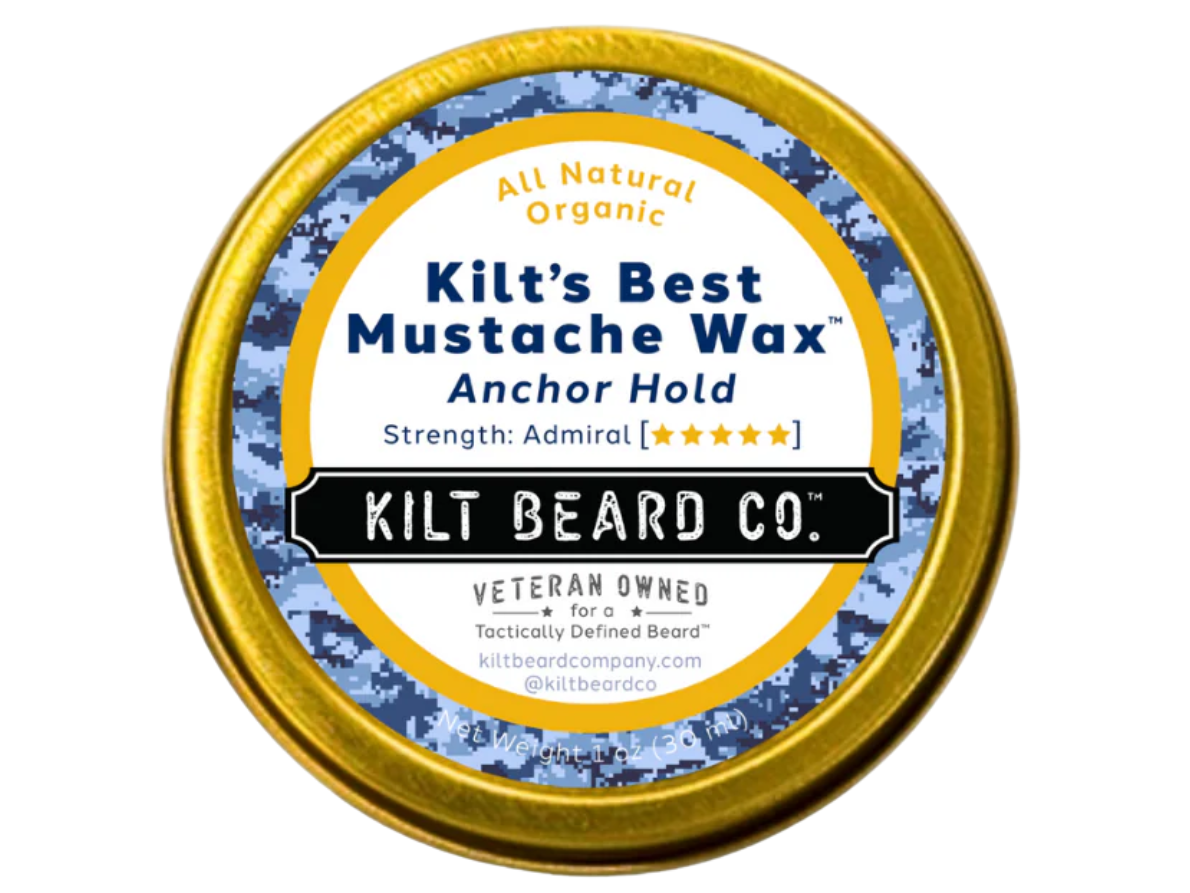

Most guys think growing a mustache is just about letting the hair on your upper lip run wild for a few months. The reality is that once you get some decent length, those hairs start to have a mind of their own and usually end up in your way during lunch. Using a bit of mustache wax isn't about vanity as much as it is about simple structural engineering for your face. It provides the hold you need to stay comfortable and look like you actually intended to grow the hair in the first place. This is the basic gear you need to handle the physics of a solid 'stache without having to overthink the process.
What is Mustache Wax?
Before we get into the mechanics of styling, we have to define what mustache wax actually is and what it does for your face. At its core, this product is a stiff, tacky substance designed to provide a firm hold for the coarse, thick hair that grows on a man's upper lip. While it might look like a simple jar of paste, it’s really a specialized adhesive that provides the tension needed to train hairs to grow away from the mouth or stay locked into a specific style . Without it, your mustache is at the mercy of gravity and the wind, which usually results in a lopsided look that requires constant fixing throughout the day. It is the heavy hitter of the grooming world, used when you need to make a wild beard or mustache behave exactly how you want it to.
Mustache Wax History
Men have been fighting the battle against gravity and a messy upper lip for thousands of years, and the history of wax is a record of those creative solutions. Looking back at how guys handled their grooming in the past shows that a well-kept 'stache has always been a sign of a man who pays attention to the details. This timeline highlights how we moved from using raw tree sap to the refined tins we carry in our pockets today:
-
Ancient Civilizations (3000 BC - 500 AD): In places like Mesopotamia and Egypt, men used a combination of sticky tree resins and heavy animal fats to bind their facial hair into elaborate, stiff shapes. This wasn't just about vanity; it served as a practical way to keep dust and grit out of the hair while signaling status and authority to the rest of the tribe.
-
The Renaissance and Cavalier Era (1600s): During the 17th century, the "Cavalier" look became a hallmark of European royalty and the military elite. Men used thick beeswax and gums to create the sharp, pointed ends typical of the Van Dyke style, often spending significant time each morning to ensure the hair stayed perfectly stiff throughout a day of riding and activity.
-
The 18th Century Military Influence: As organized militaries grew, so did the rules for facial hair, with many European regiments requiring a mustache for every soldier as part of the uniform. Wax became a required part of the soldier's kit to maintain a disciplined look, often using harsh resins to keep the hair locked in place even under the extreme conditions of a campaign.
-
The Victorian Golden Age (1800s): This era represents the true high point for mustache wax, as elaborate styles like the Imperial and the Handlebar became symbols of Victorian masculinity. The invention of Hungarian wax, which used a blend of beeswax and soap or resins, allowed men to sculpt their facial hair into massive, ornate shapes that defined the look of the 19th-century gentleman.
-
The Edwardian and WWI Era (Early 1900s): As the 20th century began, styles became slightly more restrained but remained highly structured. During World War I, the necessity of wearing gas masks forced many men to trim their mustaches down to a smaller size, leading to the rise of the "toothbrush" style, which used light wax to maintain a neat, utilitarian shape that didn't interfere with their life-saving equipment.
-
The Hollywood Pencil Era (1930s - 1940s): In the early days of cinema, film stars popularized the thin, sharp "pencil" mustache that required an extreme level of precision to maintain. Men used small amounts of firm wax to keep the thin line of hair looking crisp and dark, proving that even a minimal style required a solid mechanical hold to work correctly.
-
The 1970s and 80s Revival: The "Chevron" mustache brought a thicker, more natural look back into the mainstream, but it still required help to keep from becoming a nuisance. Wax was used in a new way during this time, focusing on adding weight and volume to the hair to prevent it from drooping over the lip during meals or active work.
-
The Modern Craft Revival (2000s - Present): The current revival is all about small-batch, artisanal waxes that use natural, high-performance ingredients to provide a firm hold. Modern guys are returning to traditional styles like the Handlebar, using these refined products to keep their grooming sharp while they are out and about in the world.
What Mustache Wax Typically Comes in and Its Contents
You’ll notice that mustache wax almost always comes in small, portable containers like thin tubs, tiny glass jars, or 1oz. metal tins. This isn’t just about saving space in your pocket or luggage; it is a practical choice for keeping the product at a stable temperature and protecting it from the air. Since many quality waxes rely on natural ingredients that can harden when exposed to the elements, these small containers prevent the wax from drying out and becoming impossible to apply. For instance, a small tin also allows you to keep the product close to your body, using your own natural heat to soften the wax so it is ready to be worked into the hair at a moment's notice. No doubt, a simple storage solution that ensures the wax stays in peak condition until the very last bit is used.
When you first open a container, the wax might look like it has a strong color, but it is typically designed to go on clear or off-white once it is worked into the hair. This transparency ensures that the product vanishes into the mustache without leaving a visible residue that looks like you have something stuck to your face. While many waxes appear light yellow or white in the tin, some brands offer tinted options like black, brown, or red to help fill in thin spots or match your natural hair color more closely. The goal is to provide a clean finish that lets the style take center stage without the product being noticeable to anyone else. By blending into the hair, it provides a matte look that feels authentic rather than artificial.
10 Things Men Really Need to Know About Mustache Wax (Besides Just the Basics)
Getting your mustache to sit right is about more than just having a sticky substance to smear on your face. You have to consider how the weight of the hair interacts with the density of the mustache wax product you choose to use. If you don't grasp the technical side of what's in the tube, glass jar, or tin, you will end up fighting your own reflection every time you step outside. It pays to know the specific mechanics that separate a professional-looking style from a messy one.
1. The Various Wax Holds
Most guys buy the wrong mustache wax because they don't look at the wax-to-oil ratio in the container. Product density is what determines how much tension the wax can handle before it gives up and lets your hair droop. A wax with a high oil content is going to be softer and easier to move, while a wax heavy on the beeswax or resins will be rock hard and require heat to work. Choosing the right wax is about matching that density to the specific thickness and length of the hair you’re trying to manage.
Light/Soft Hold
A light/soft hold wax is creamy and has a high concentration of oils or butters compared to the actual wax content. This makes it very easy to spread through the hair, providing a subtle amount of control that doesn't feel stiff or crunchy. It is designed to add a bit of weight and shine to the hair without making it look like you have product in it. This is a solid choice for a man who wants to look groomed but still wants his mustache to move naturally when he talks or eats.
Best For: Thin, fine, or short hair, and achieving a natural, brushed look.
Medium Hold
Medium hold waxes provide a balance between flexibility and staying power that works for most daily routines. They have enough wax to keep the hair grouped together and out of your mouth, but they aren't so stiff that they feel like plastic on your lip. This type of product is often used to train the hair to grow in a specific direction over time, helping you build the foundation for a more complex style later on. It is a reliable choice that lasts through a standard workday without needing constant touch-ups.
Best For: Daily styling, keeping hair out of the mouth, and training the mustache to grow in a certain direction.
Strong/Firm Hold
When you have thick, coarse hair that refuses to stay in place, you need a strong/firm hold wax to take control. These products have a much higher wax-to-oil ratio, which creates a firm structure that can withstand wind and humidity. It provides the necessary "tack" to pull stray hairs into line and keep them there for hours. While it takes a bit more effort to apply, the result is a crisp, defined look that stays put regardless of what the weather is doing outside.
Best For: Thick, coarse hair and creating structured styles, such as a moderate handlebar.
Extra-Strong/Extra-Firm Hold
Extra-strong/extra-firm hold waxes are the heavy hitters used for competition-level styles and dramatic handlebar looks. They often contain stiffer resins or a very high concentration of hard waxes that lock the hair into a rigid shape. This is the product you reach for when you are doing something intricate that requires absolute precision and zero movement. It is not for the faint of heart, as it requires heat to apply and a dedicated effort to remove at the end of the night.
Best For: Intricate, dramatic, or competition-level handlebar mustaches and long-lasting styling.
2. A Deeper Look Into the Ingredients
What's actually holding your face together matters just as much as how it looks in the mirror. A manly wax should rely on raw, natural materials that provide a healthy hold rather than a chemical mask that can damage your hair over time. Beeswax is the core ingredient in most quality waxes because it provides a natural, breathable barrier that locks in moisture while providing a firm structure. It is a versatile material that can be blended with other oils to create a wide range of hold strengths without feeling artificial or greasy on the skin.
You should always look for ingredient transparency when picking out a wax product for your face. Natural bases often include refined shea butter, coconut oil, or lanolin to act as moisturizing agents that prevent the hair from becoming brittle. These fats help the wax glide through the hair and ensure that your skin stays healthy underneath the style. A wax that relies on harsh chemicals or synthetic petroleum products can lead to irritation and can even cause the hair to become weak and prone to snapping.
Now, the type of wax used also impacts the performance and the finish of your look. Organic Carnauba wax is often considered a better option for high-hold products than pine rosin or pine resin because it provides a cleaner, more stable grip. Resins can sometimes be too sticky or difficult to wash out, leading to a "gunked up" feeling that ruins the texture of your mustache. Carnauba provides a high melting point and a hard finish that keeps your style sharp without the mess that comes with lower-quality resins.
Performance is a direct result of the quality of the raw materials used in the packaging. When you use a wax made with high-grade oils and natural waxes, you’ll notice it spreads more evenly and holds its shape longer without flaking. It’s about choosing a product that supports the long-term health of your facial hair while giving you the immediate styling results you want. Again, by avoiding the cheap, chemical-laden options, you are protecting your face and making sure your grooming routine is a benefit to your overall wellness rather than a chore.
3. Scented vs. Unscented Options
Many makers provide both scented and fragrance-free versions so you can match your wax with your favorite oils or colognes. If you have sensitive skin, skipping the extra fragrance is a smart move to avoid redness or irritation that can occur when a product sits directly under your nose for hours. Scented waxes usually rely on natural essential oils or high-quality fragrance oils to give you a pleasant aroma that stays with you throughout the day. It is about having the choice to be as loud or as quiet with your fragrance as you want to be, depending on your environment.
You should be aware that even "unscented" versions often have a faint, natural smell from the raw materials used in the container or tin. Ingredients like natural beeswax, refined shea butter, or cocoa oil have their own light aromas that can’t be fully removed without heavy processing. Most quality brands offer a "naked" version that gives you all the hold you need without the heavy cloud of perfume. These are often preferred by guys who already use a bold beard oil or a specific cologne and don't want their face smelling like a clash of different scents. It is a simple way to stay groomed without broadcasting your presence to the entire room.
4. Water-Based vs. Oil-Based Wax
Choosing the base of your wax is a decision about how much effort you want to put into the washout at the end of the day. You have to weigh the convenience of a quick clean against the raw staying power needed for a long day out in the elements. It comes down to whether you prioritize a matte, light finish or a rigid structure that can handle a lot of movement.
Water-based mustache wax is generally easier to remove with a simple wash because the formula is designed to break down quickly when it hits the sink. These products often provide a more matte finish and are great for guys who want a clean, non-greasy look for a standard day at the office. They are less likely to leave a heavy residue on your skin, which helps if you are prone to breakouts under the hair. However, because they are water-soluble, they can lose their hold if you get caught in a rainstorm or if you start to sweat heavily during a workout.
Oil-based mustache wax is the traditional choice for maximum staying power and weather resistance. Because they are built on a foundation of oils, lanolin, and waxes, they won't break down if you get caught in the elements or head out for a long day of travel. They provide a much stiffer hold and often a bit of a sheen, making them the preferred choice for complex styles like a handlebar. The trade-off is that they require a dedicated cleanser or a carrier oil to fully remove from the hair. If you need a style that can survive a twelve-hour day without moving an inch, the oil-based option is the only way to go.
5. Heat, Apply, Set: The Proper Mechanics of Mustache Wax
Wax is useless if you don't know how to change its state from a solid block into a workable paste. You have to manipulate the temperature to get the product deep into the hair fibers so it can actually do its job of providing structure. If you try to scrape out cold wax and shove it onto your lip, you are just going to end up with clumps and pulled hairs that leave your mustache looking ragged. Locking a style in place is a technical process that starts with heat and ends with a solid set:
-
Use your own body heat by keeping the tin in your pocket, or use a hair dryer for a few seconds to soften the surface.
-
Use the back of your thumbnail to scrape out a small, pea-sized amount of wax from the container.
-
Rub the wax between your thumb and forefinger until it is completely melted, clear, and free of any solid grains.
-
Start at the center of the mustache and work the wax outward toward the tips, ensuring you get the product down to the roots.
-
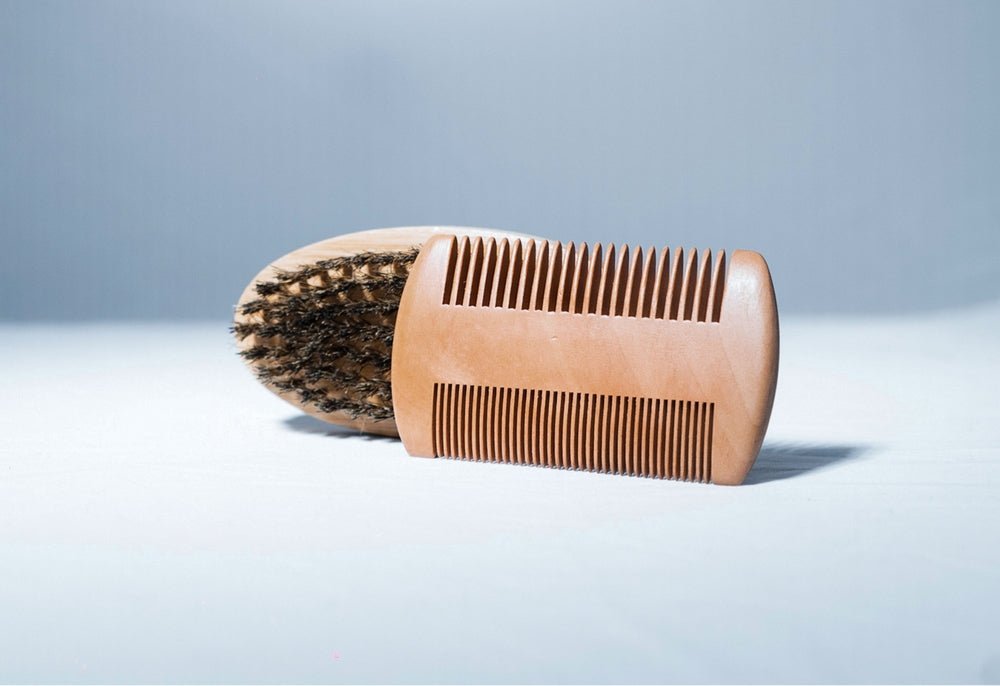
Use a dedicated beard or mustache comb to distribute the wax evenly and clear out any excess clumps .
-
Shape the hair into your desired look and hold it in place for a few seconds as the wax cools and sets the structure.
Applying Mustache Wax in the Morning as Part of Your Complete Grooming Routine
Your morning routine is the best time to set the foundation for your look because your hair is clean and more receptive to styling. Grooming is the basic habit of not letting your face become a wasteland, and taking those few minutes to handle your business sets a positive tone for the rest of your day. Starting with a clean, dry mustache allows the wax to grip the hair fibers directly without having to fight through yesterday's grime or excess water. It is about maintenance that keeps you looking like a man who has his life together rather than someone who just rolled out of a hedge.
Using mustache wax goes well with beard oil, provided you apply them in the right order. You should apply your beard oil first to handle the skin health underneath the hair, which is where most problems like itchiness start. Once the oil has had a minute to soak in, you can apply your wax to the mustache area without the two products interfering with each other. This ensures that your skin stays hydrated while your mustache stays perfectly in place. It is a balanced approach that covers both health and style in one go.
Depending on the strength of the wax and its overall consistency, you can also use it alongside beard balm or beard butter. If you have a full beard and a mustache, a light balm can provide a natural shape to the bulk of your hair, while a firm wax handles the specific needs of your upper lip. Beard butter is excellent for a soft, matte look, but it doesn't have the stiff hold needed to keep hair out of your mouth, which is where the wax fills the gap. By layering these products correctly, you create a complete look that is both comfortable and controlled.
Applying Mustache Wax in the Afternoon
By the time the afternoon rolls around, you might find that your mustache needs a bit of a refresh. Constant movement from talking, eating, or even the airflow from vents can cause the wax to lose its grip and let the hair start to droop. This is normal, especially if you are using a medium or light hold product. A quick touch-up ensures that you don't show up to your afternoon meetings or lunch dates looking disheveled.
Normally in the afternoon, a man might need to apply a bit more mustache wax to his 'stache to reset the shape. You don't need to do a full re-application; usually, a tiny amount worked into the tips is enough to pull everything back into line. Keeping a small tin or tube in your pocket makes this easy to handle in a restroom or even a car mirror. This small act of maintenance prevents a total meltdown of your style before the day is over.
Applying Mustache Wax in the Evening for a Night Out
If you’re heading out for a night on the town, your mustache needs to be ready for a higher level of scrutiny and potentially a longer night. Whether you’re grabbing a coffee or heading out for a late dinner, you want your face to look like you have your life together. An evening application is usually about reinforcing the hold so you can stay focused on the people around you instead of worrying about an itchy chin or a lopsided lip.
Normally in the evening, a man might need to apply a bit more mustache wax to his 'stache, especially if he’s going for a more structured look like a handlebar. This is also a good time to consider scent etiquette if you are going to be in close quarters at a bar or restaurant. A fresh application of a lightly scented wax can act as a subtle refresher that keeps you feeling confident all night. It is about looking prepared for whatever the night throws at you, regardless of the setting.
6. The Trial-By-Error Phase When Using Mustache Wax
Getting your mustache to look exactly how you want it is a process that involves a lot of experimentation before you find the right rhythm. Every man has a unique hair growth pattern and texture, meaning what works for a guy in a video might not work for the hair on your own lip. You will likely go through a period where you use too much wax and end up with a stiff, heavy mess, or too little wax and watch your style fall apart before lunch. This phase is a normal part of the learning curve, and it is how you figure out the specific tension and hold your particular hair requires to stay in place. It takes a bit of time to get it right, especially if you decide to let your mustache grow out to a longer length or if you are trying a new trim .
The physics of your mustache changes as the hair grows longer or as you decide to take a bit off the bottom. A shorter mustache is often stiffer and more rebellious, requiring a firmer wax to force the hairs into a specific direction. As the hair gains length, it gains weight, which can help it lay flatter but also makes it more prone to drooping if the wax isn't strong enough to support the bulk. If you decide to trim your mustache, you might find that the wax you used last week is now too heavy for the lighter hair. You have to be willing to adjust your product choice and your application technique based on the current state of your facial hair. It is a constant game of adjustment that requires patience and a bit of a sense of humor when things don't go perfectly.
You also have to consider how your mustache wax interacts with other products you might be using at the same time. If you apply a heavy beard balm or a thick butter near your upper lip, those oils can migrate into the mustache and soften the wax, causing your style to lose its crispness. Finding the right balance between the moisture of an oil and the hold of a wax is something you can only learn by doing it every day. Some guys find that they prefer a completely dry mustache with maximum wax, while others like a softer look that uses a bit of oil as a base. By testing these combinations in different settings, you will eventually land on a routine that feels natural and provides a look that holds up throughout your entire day.
7. Climate/Temperature Conditions
Weather can be one of the biggest external factors that can wreck a perfectly styled mustache in a matter of minutes. High temperatures and humidity act as natural softeners for the waxes and resins in your product, which often leads to a drooping style if you aren't prepared. When the air is thick with moisture, it can prevent the wax from setting properly, leaving your hair feeling tacky rather than firm. In these conditions, you often necessitate a stronger wax with a higher melting point to lock out the extra moisture and prevent the heat from turning your style into a wilted mess. It is about reading the environment and choosing a product that has the structural integrity to stand up to the sun.
If you’re already using a balm or a butter on your beard, you need to be aware of how those products react to the heat alongside your wax. Balms and butters are designed to be softer and more pliable, which means they will liquify much faster than a dedicated mustache wax. On a hot day, these products can bleed into your mustache and compromise the hold of even the firmest wax. You might find that in tropical or high-heat environments, you need to skip the softer products near your mouth entirely to ensure your wax stays solid. It is a tactical decision that helps you maintain a sharp look even when the temperature is working against you.
On the flip side, cold weather can make your wax so brittle that it starts to flake or feel like a piece of dry plastic on your face. In freezing conditions, the natural oils in the wax can harden to the point where they lose their flexibility, causing the style to snap or lose its shape if you move your face too much. You might need to use a slightly softer wax or a product with more lanolin during the winter months to keep the hair from becoming too stiff.
Being a smart traveler or an outdoorsman means being able to read these shifts in the "micro-climates" around you and making small, frequent adjustments to your routine . Essentially, whether you are indoors in a dry, heated office or outside in a humid market, your wax needs to be matched to the air you are breathing.
8. Stripping the Wax: The "De-Gunking" Process
Applying wax is the easy part, but getting it out at the end of the day without pulling out half your mustache is where many guys struggle. If you just try to scrub it out with regular soap and cold water, you will likely end up with a tangled, painful mess because the wax is designed to resist moisture. You need a way to break down the heavy buildup while maintaining hygiene and hair health.
Follow these steps to clear the wax without damaging the follicles:
-
Apply a Carrier Oil: Massage a generous amount of beard oil or even a plain oil like olive or coconut into the dry mustache to break down the wax bonds.
-
Wait: Let the oil sit for a few minutes so it can fully penetrate the wax and soften the hold.
-
Gentle Comb: Use a wide-tooth comb to gently move the softened wax away from the skin and toward the tips.
-
Use Warm Water: Rinse with warm water to help wash away the oil and the liquified wax.
-
Wash with Beard Wash: Use a dedicated beard wash that can handle the remaining residue without stripping your skin's natural oils.
-
Condition: Apply a small amount of beard wash or butter to restore moisture to the hair after the cleaning process.
9. Keeping Your Wax Workable on the Go
Making sure that little tube, jar, or tin of wax in your pocket is ready to go at a moment’s notice is a requirement for a man on the move. Because high-quality waxes are built on natural ingredients, they are sensitive to the temperature of the air around them. Like if you leave your tin in a cold car or a bag, it will turn into a solid brick that you can't even scrape out with a thumbnail. Keeping the container in a pocket close to your body ensures that your own natural heat keeps the wax at a workable consistency. This allows you to do a quick refresh in a restroom or a mirror without having to go find a hair dryer to melt the product.
You also need to check the condition of the wax periodically to make sure it is still good for use. If you notice that the wax has started to pull away from the sides of the tin or if it has developed a gritty, sandy texture, it might be drying out from too much exposure to the air. Keeping the lid tightly sealed and avoiding leaving it in direct sunlight helps prevent the oils from turning rancid or the wax from becoming too hard to apply. A well-maintained tin of wax should stay smooth and easy to liquify between your fingers. If you take care of the product in your pocket, it will be there to fix your style whenever the day starts to get the better of your mustache.
10. How Often to Replace or Buy More Mustache Wax
Determining when to buy more wax depends on how often you style your face and the type of hold you prefer. If you’re a daily user who likes a high-hold handlebar, you will obviously go through a 1oz. tin much faster than a guy who only uses a light wax for special occasions. For most men, a single tin of quality wax can last several months because you only need a pea-sized amount for each application. However, if you find yourself needing to apply more wax multiple times a day due to heat or a very coarse mustache, you should plan to keep a backup tin ready, so you don't run out mid-week.
You should also consider the shelf life of the ingredients when deciding to buy more. Over time, the natural oils in the wax can oxidize, which can change the scent and the performance of the product. If your wax starts to smell "off" or if it doesn't seem to hold as well as it did when you first bought it, it is time to replace it. Most natural grooming products are at their best within six to twelve months of opening. Using old, oxidized wax can lead to skin irritation or "beard acne" because you are essentially rubbing old grime back into your clean hair. Fresh wax always provides a cleaner application and a more reliable hold.
Yes, even the change of seasons is often a good time to buy a different type of wax to match the new weather conditions. You might find that the light wax that worked for you in the spring is no longer enough to handle the humidity of the summer or the dry air of the winter. Having a few different hold strengths on your shelf allows you to swap your routine based on how your mustache is behaving.
Buying more wax isn't just about replacing what you've used; it is about keeping your toolkit updated so you always have the right solution for the job at hand. Keeping your supplies fresh and varied is the easiest way to make sure you never have a bad beard day.
Mastering the Upper Lip
Taking control of your mustache is a simple way to prove that you have your grooming under control and your life in order. It just takes a few minutes of practice and the right choice of wax to turn a wild look into a sharp, structured style that stays out of your way. Whether you’re going for a natural look or a bold handlebar, the mechanics are the same: heat the product, apply it evenly, and let it set. Afterall, a well-waxed mustache is a sign of a man who pays attention to the details and isn't afraid to put in the work to look his best.